Ways of Dispersal – Climate beacon residency – artist – Dr. Saoirse Higgins

https://www.saoirsehiggins.org/art-projects/ways-of-dispersal

This Climate Beacon residency continues an exploration and ‘looking out to’ what is in the ocean from an islander viewpoint- a ‘terrestrial Jacque Cousteau’ angle of vision. I am concerned about the macro scale and complexity of the seas changing ecosystem and how we as artists, designers, scientists, policy makers and community collectively try and understand and attempt to deal with the enormous situation we are faced with now for the future. I am interested in invasion and protection in the context of survival and climate change – ‘getting places’ on the back of objects and species. Nowhere is too remote to encounter objects and species rafting and floating in from far away places, collecting time as they travel on the air and ocean currents.

Many scientists are researching this idea of new invasive ocean raft species, or ‘neopelagic communities’ being introduced to new coasts via marine plastics and natural material objects such as logs and wood. According to David Barnes, marine benthic ecologist at the British Antarctic Survey, rafting increases ‘extinction risk while reducing biodiversity, ecosystem function and resilience’. In 2018, Barnes referred to this marine ecosystem as the ‘plastisphere’. – Russell Thomas, 2021, Seascape: the state of our oceans, The Guardian, <https://www.theguardian.com/environment/2021/jun/14/plastic-rafting-the-invasive-species-hitching-a-ride-on-ocean-litter >

The topic of invasive species arriving on islands has long been a common island phenomenon with well known researchers such as naturalist Robert Lloyd Praeger with the Clare Island Survey in the early 1900s, and scientists on Icelandic Surtsey island born from an undersea volcano from 14 November 1963, measuring and surveying newly arrived species via air, sea.  

For this residency I began thinking about, exploring and contrasting human and non-human objects, and species that ‘raft’ in and out above, below, and on the surface of the sea from far away, landing on present and future shores of islands. I made three expeditions to Lewis one in May, another in July and again in October 2022. I used the time to research and explore the coastline, staying at Grinneabhat hostel as my base HQ – a beautifully converted old school house in the town of Bragar.  I was warmly welcomed by residency curator and artist Jon MacLeod, hostel manager Tina MacPhail and community officer Murdo Morrison. I also received an energetic community embrace by the Bragar locals who visit the gallery and café – a central hub for local cultural events and activities.

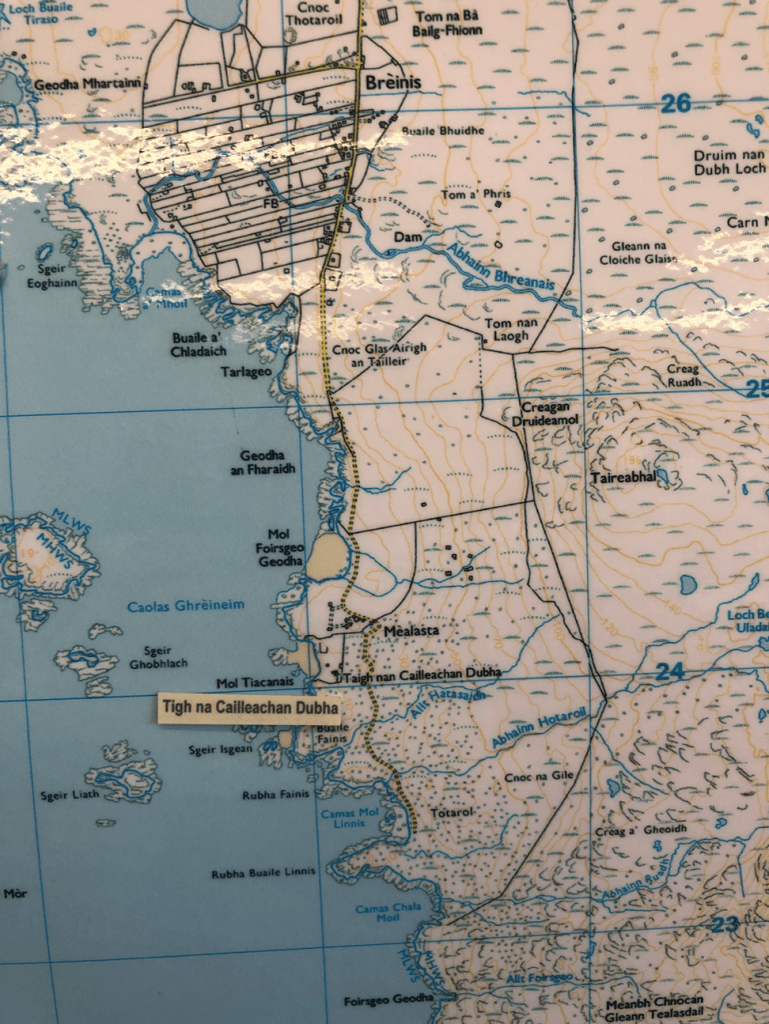
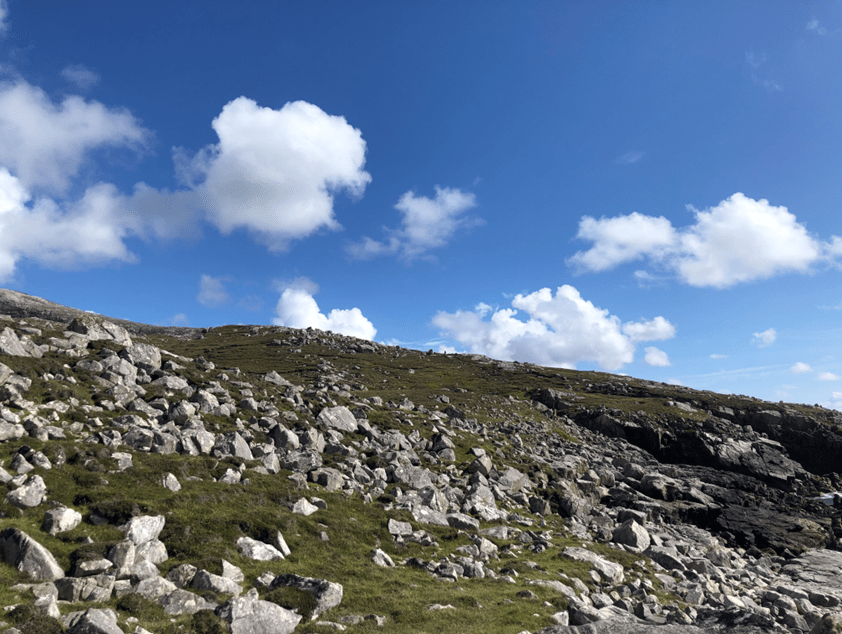
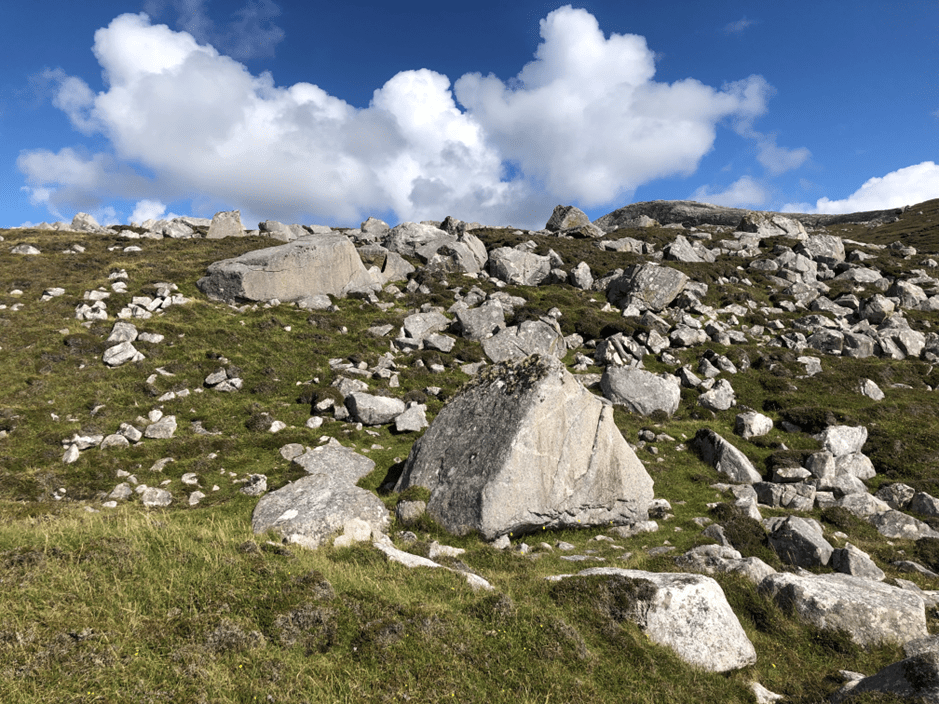
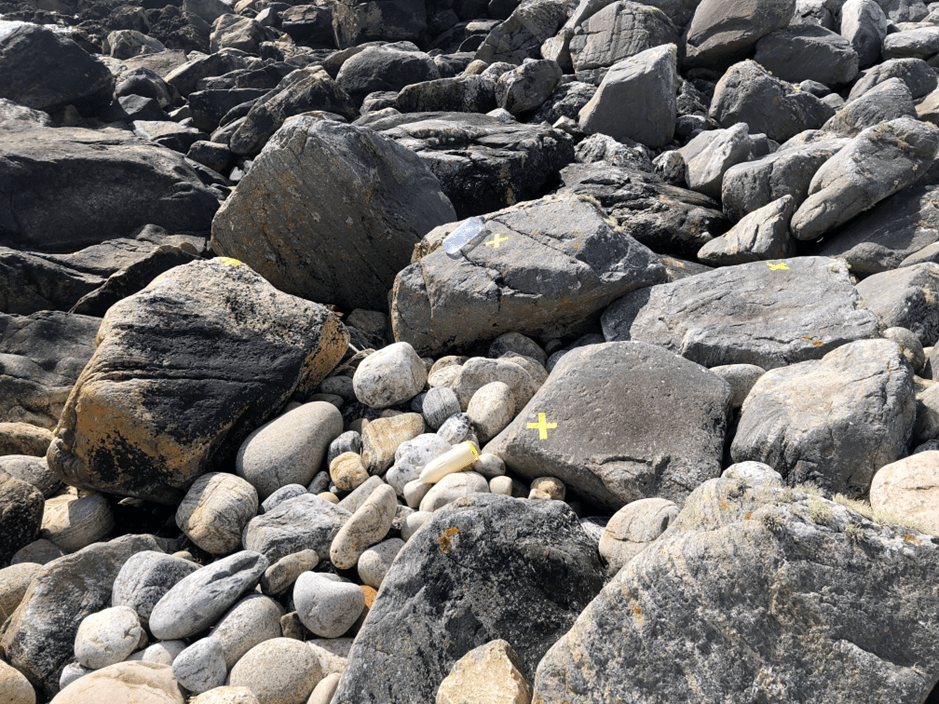
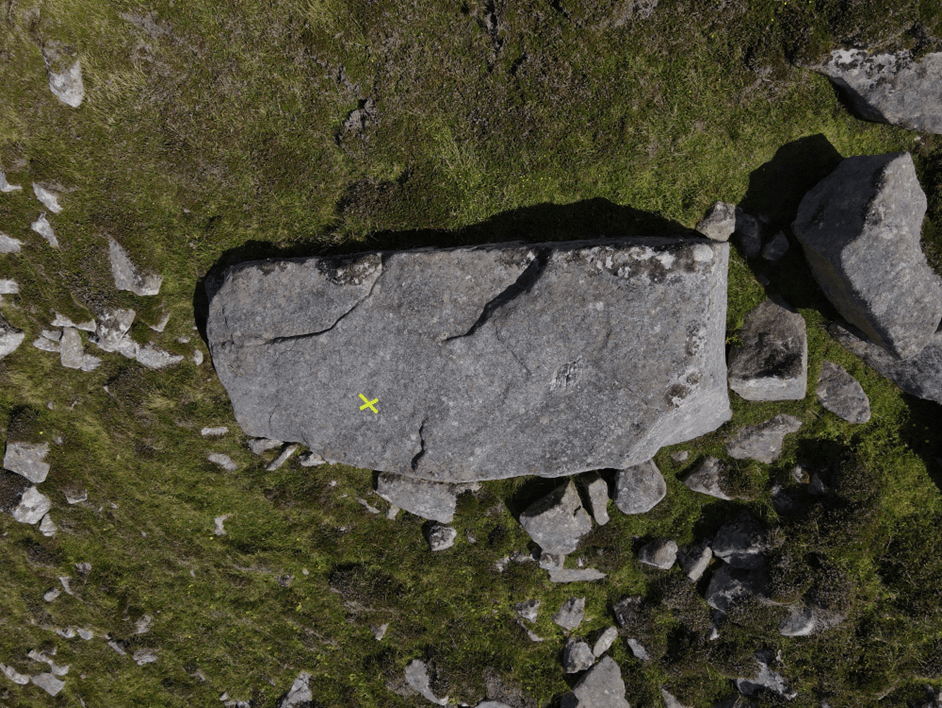
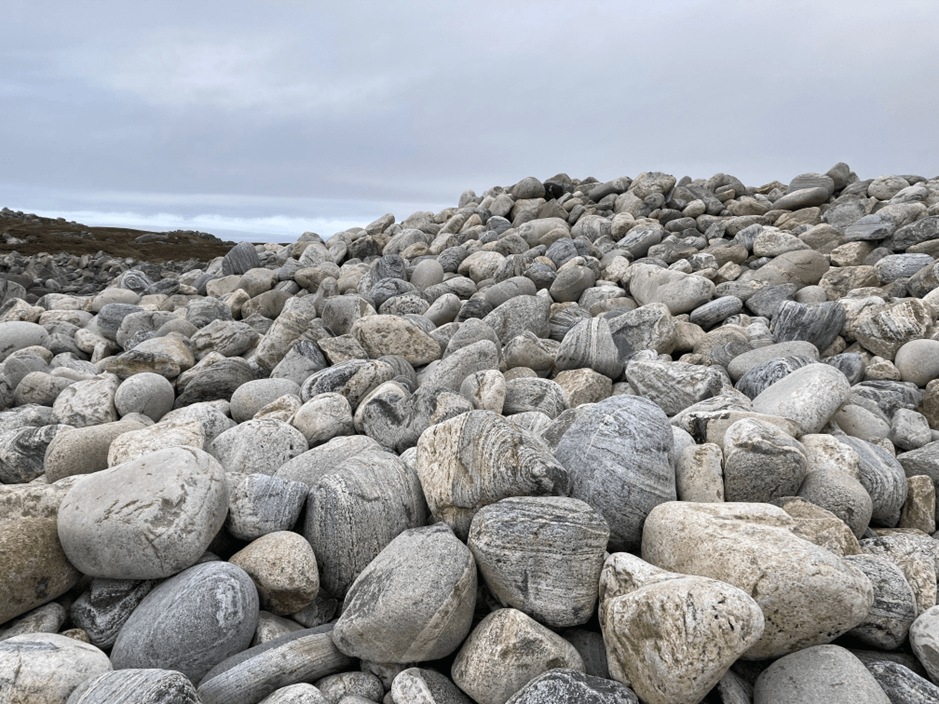
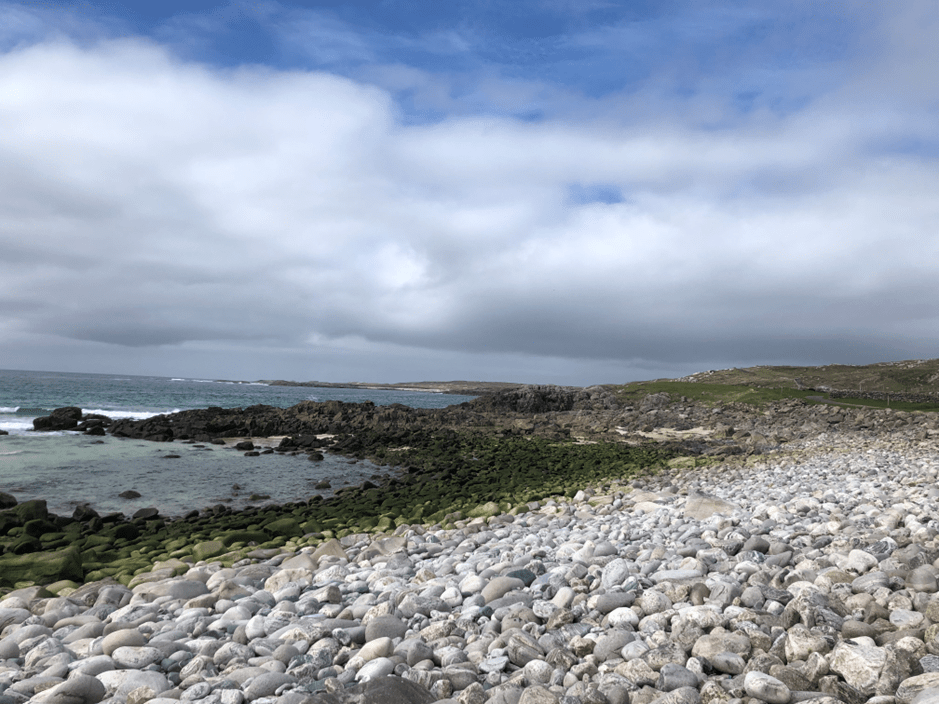
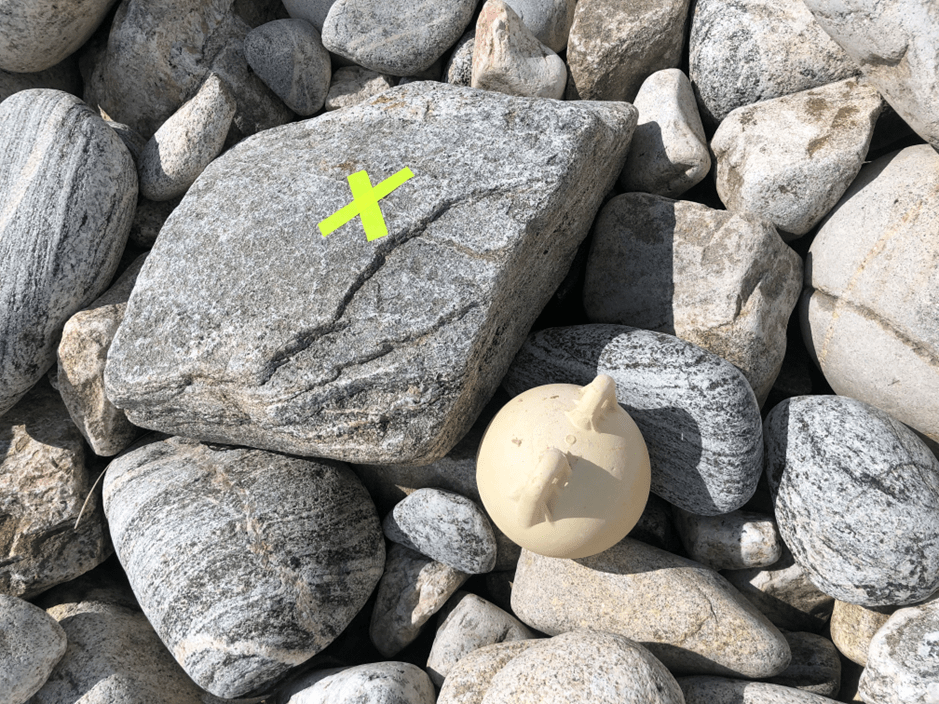
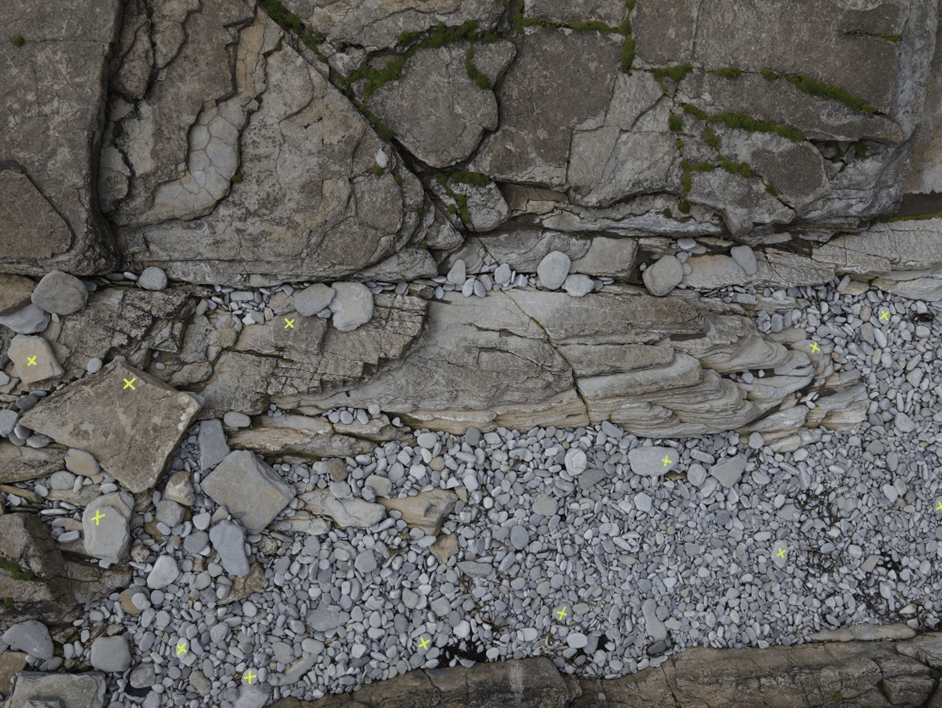
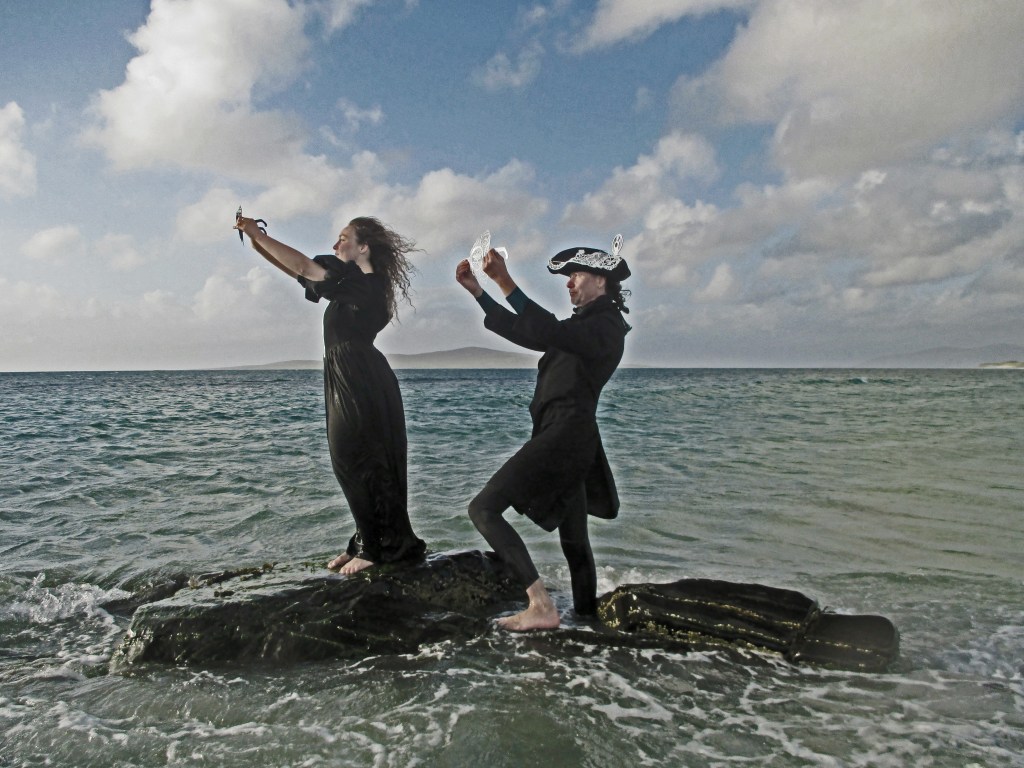
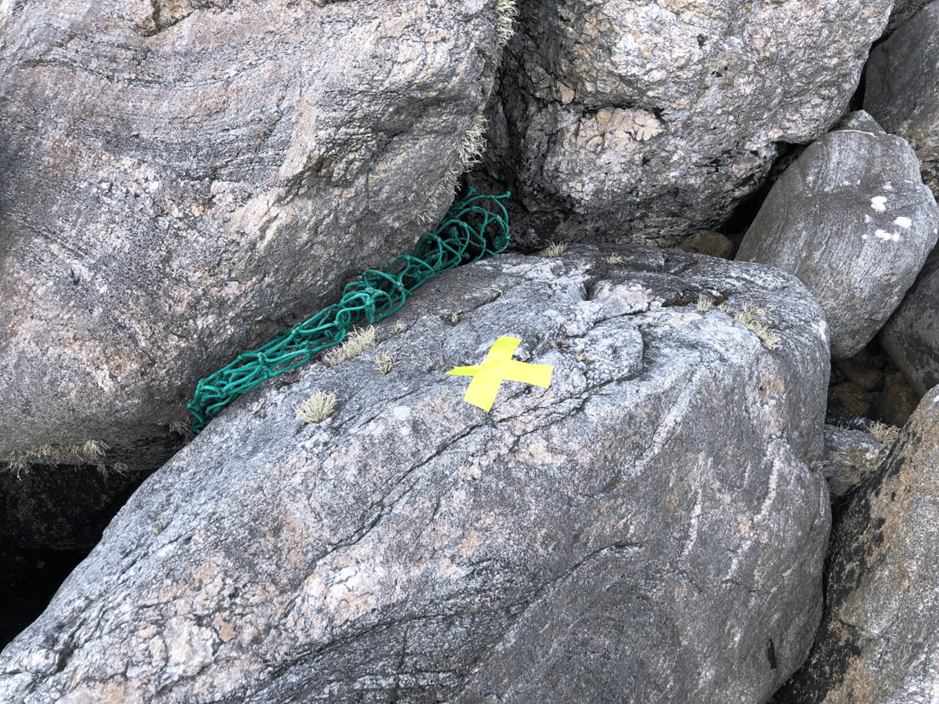
From there I ventured out to the island edges and followed the path of a glacial valley towards Mealasta and on to Camas Chala Moil with its giant glacial erratic rocks flung towards it along the coastal landscape. I examined and measured objects through a day long performance climbing over and across the large rounded rocks at the shoreline of Camas Chala Moil, documenting the marking and positioning process with drone filming, time lapse and video. I collected images and 3D scanned illustrations mapping out ‘drift constellations’ on the shoreline, imagining them as star constellations arranged on and under the stoney edge of the sea and land. From this I performed a similar constellation mapping exercise at Herti’s Geo on Papa Westray in Orkney. I then created two live experiments in the seas off Lewis and another off the coast of Papay.

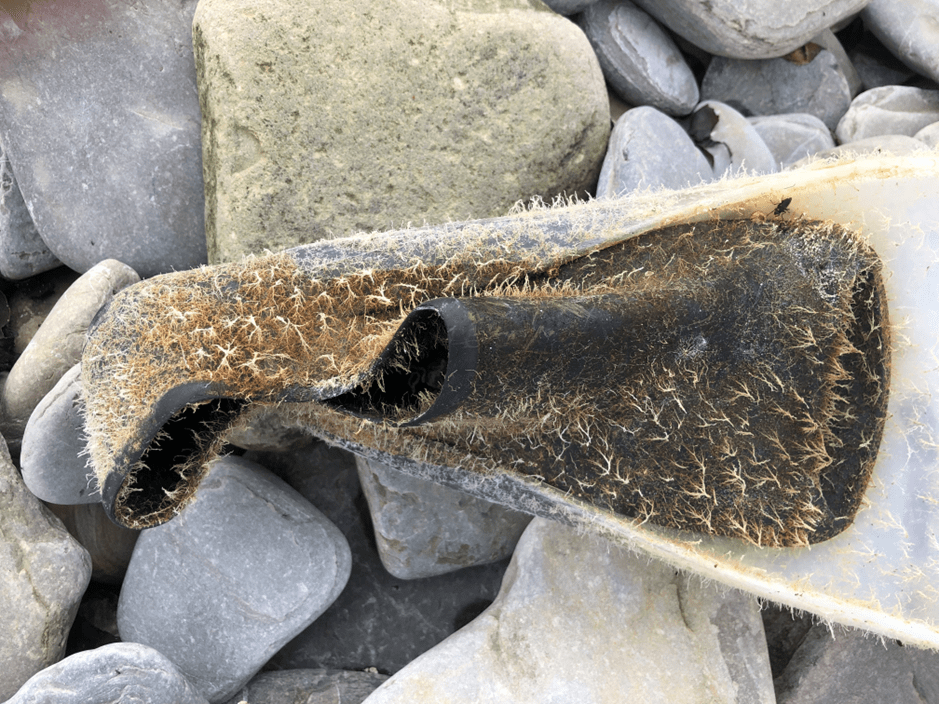
As part of my research I had been reading with interest about a forensic biologist researcher called Dr. Paola Magni at Murdoch University, Perth Australia that has studied the growth of goose barnacles on various submerged test materials in relation to court case defenses. She is looking at the growth as in indicator of time stamping a human body in the water. Together with oceanographer Jennifer Verduin and undergraduate student Elysia Tingey, she investigated barnacle colonization on various fabrics, such as satin, velvet, cotton, and neoprene, used in wetsuits. The researchers found that it takes around 28 days for larval barnacles to attach to neoprene—the fastest colonization rate of the fabrics tested. This depends on many factors of the sea temperature, tides, currents and salinity. – Ivy Shih, 2019, Barnacles Are a Clock for the Dead, Hakaimagazine, <https://hakaimagazine.com/news/barnacles-are-a-clock-for-the-dead/ >

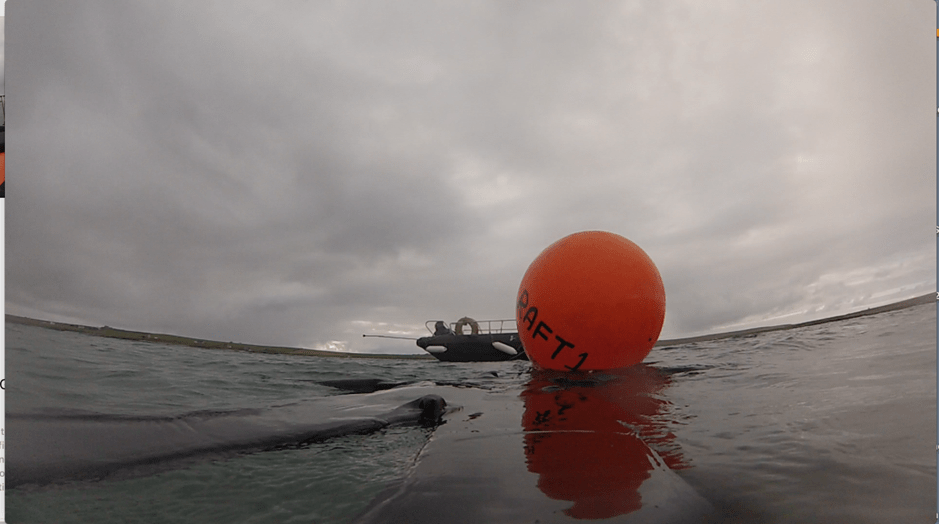
Apart from the slightly morbid context, I was curious and interested in the idea of growing and attracting species on a raft in the ocean and seeing what, if anything, happened. Also the connection with human beings wrapped up and implicated physically in the whole issue of plastic and human object waste. I purchased two neoprene wetsuits and inserted a wooden body shaped template inside each of them to keep the bulk of the form stiff. I attached a recycled buoy and an anchor to each. I then consulted local Lewis fisherman Donald MacLeod to set up and deploy ‘Raft1’ experiment in the waters off Lewis at Strome-meaning tidal flow.  The experiment needed to be somewhere that would not be disturbed or get blown away and have enough seawater movement to promote growth and/or creatures. Donald used an old rope he had lying about and expertly knotted this onto a large rock as an anchor and connected this to the wetsuit. This was thrown overboard at Strome at exact position 58°10’40.4” N, 6°52’44.4” W.  The wetsuit sat flat on the water’s surface with the bright orange buoy announcing its presence and the anchor sank to the bottom as planned.

I consulted local Papay fisherman Douglas Hourston for a suitable sized buoy for the sea conditions, a weighted anchor that would hold the Raft in position and a secure tethered rope between the two. I placed the second experiment- ‘Raft 2’ – off the coast in the waters near the Holm of Papay. Exact anchored location – 59° 20’911N, 2°52’21.4″ W.

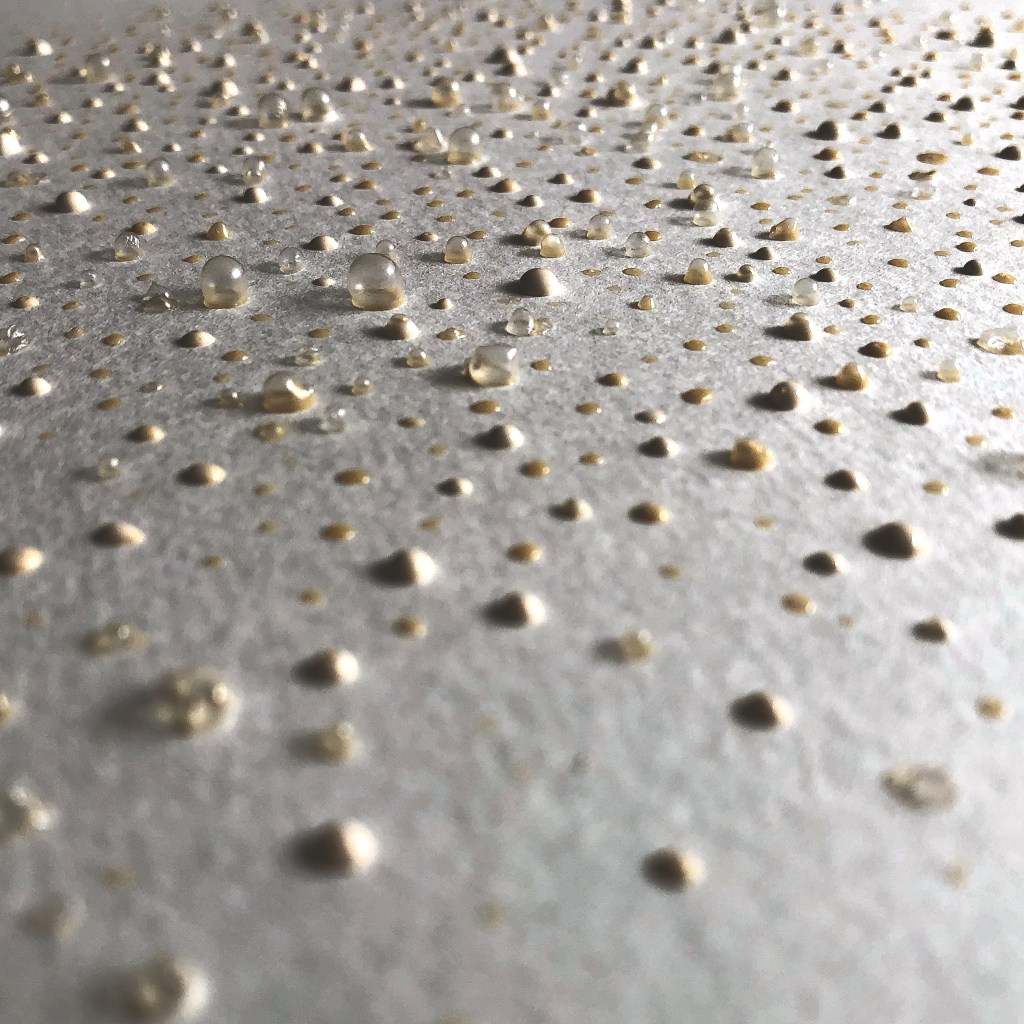
I left the Lewis experiment in the water for 3 months just before the winter set in, with the Papay experiment still ongoing at just over 6 months. The Lewis neoprene produced some rafting species mainly small brittle starfish and tiny crabs hiding in the material. The Papay experiment we shall see how it goes after winter if it survives the storms! Since setting up the experiments I discovered project called ‘Plate Watch’ monitoring for non-native marine invertebrates along the U.S. West Coast, with a primary focus on Alaska. It encourages citizens to place clean PVC squares off piers and coasts in the water to test and grow species from 3- 5 months. They then get analysed and recorded, collecting data on invasive species. The citizen science instructions and process is documented on their Platewatch website and co-ordinated by the Smithsonian Environmental Research Centre.

Next steps in the project is to connect this research with work I am doing this year on Icelandic glaciers time and scale, retreating and advancing, ebbing and flowing,  in collaboration with Icelandic glaciologist Oddur Sigurdsson.
Camas Chala Moil, Isle of Lewis
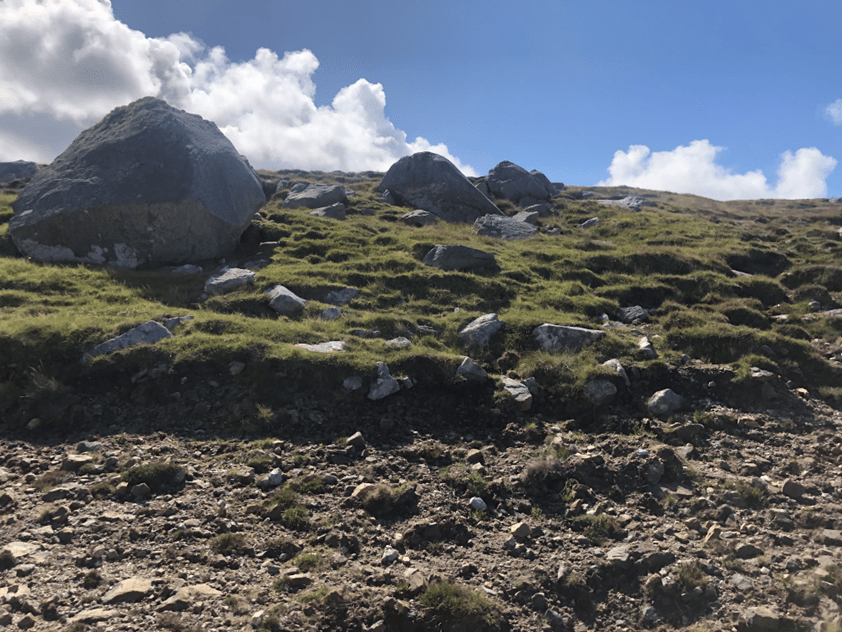
drift constellations, Lewis
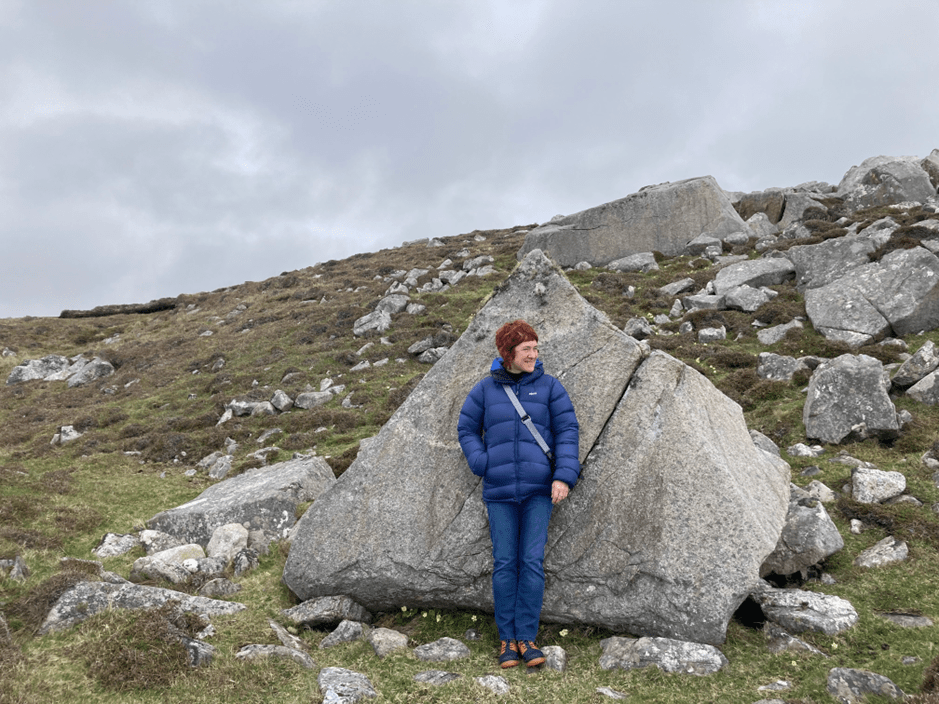
Drift constellations, glacial erratic.
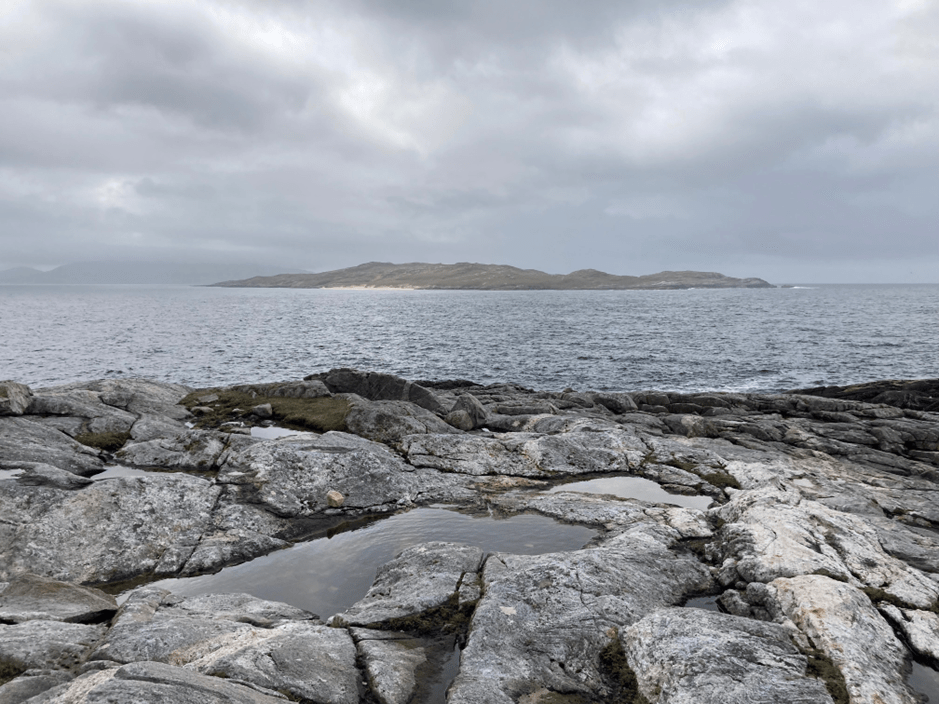
Drift constellations, Herti’s Geo, Papa Westray
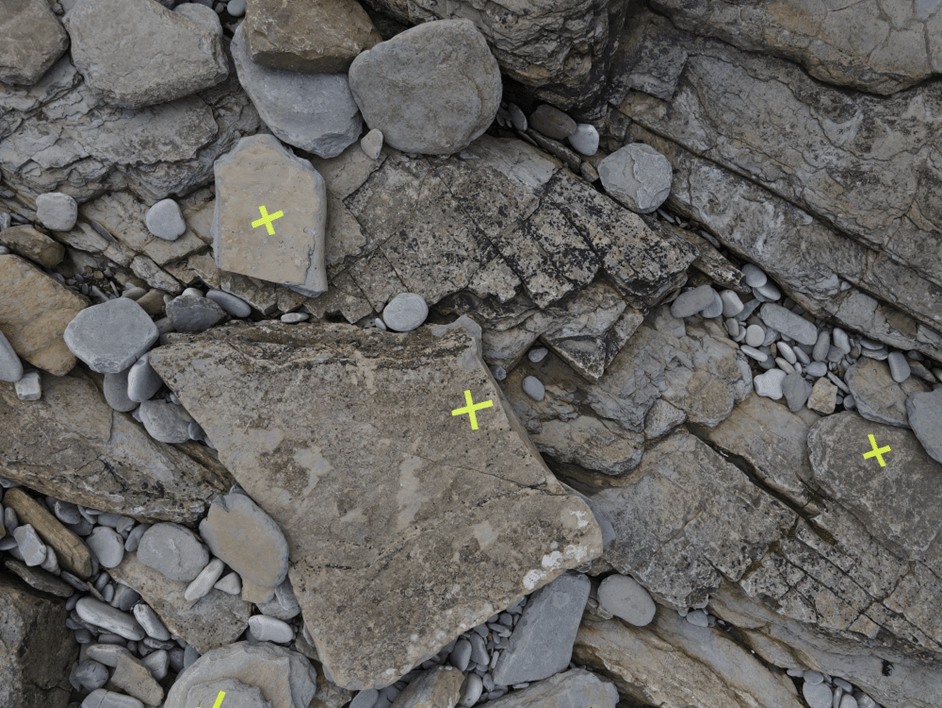
Drift constellations, Herti’s Geo, Papa Westray
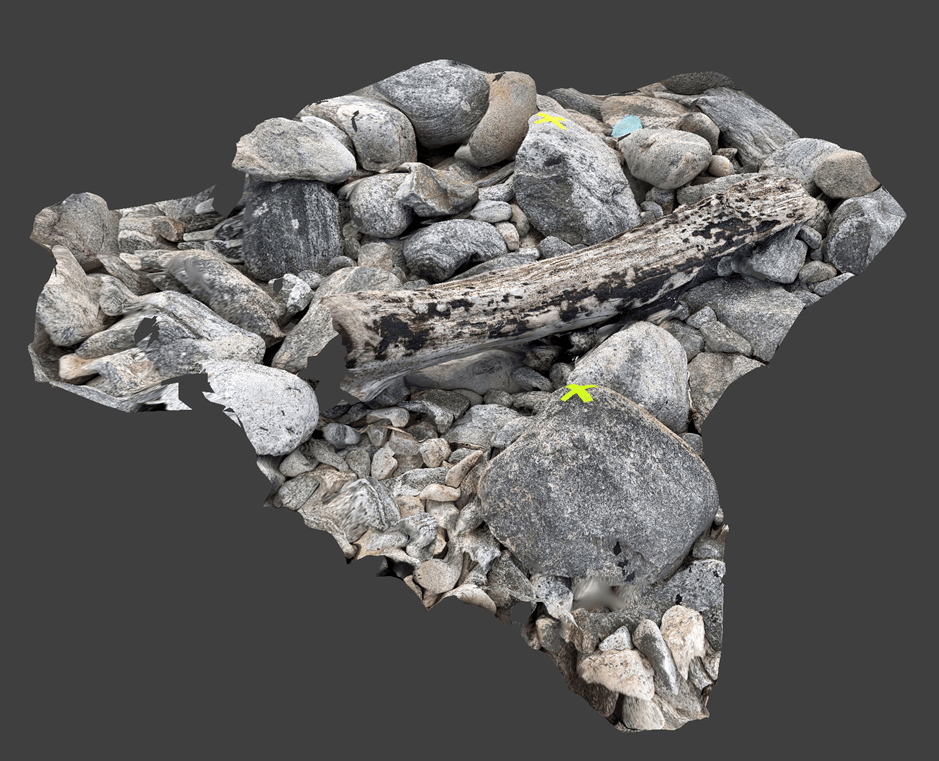
3D scanned rocks and washed up log, Lewis.
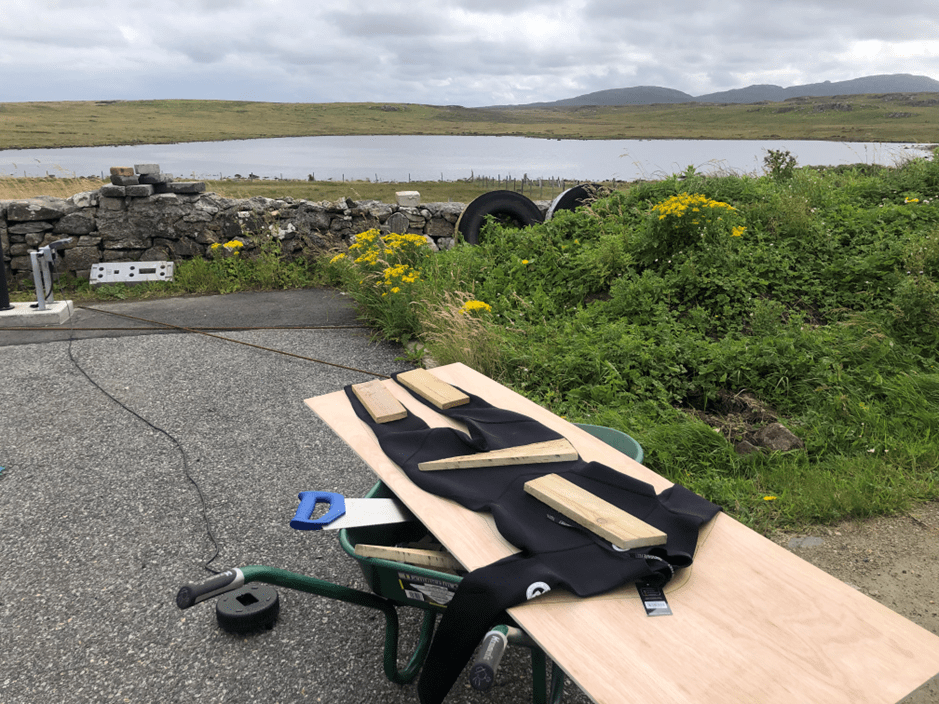
Making a wooden template for Raft1, Grinneabhat, Bragar.
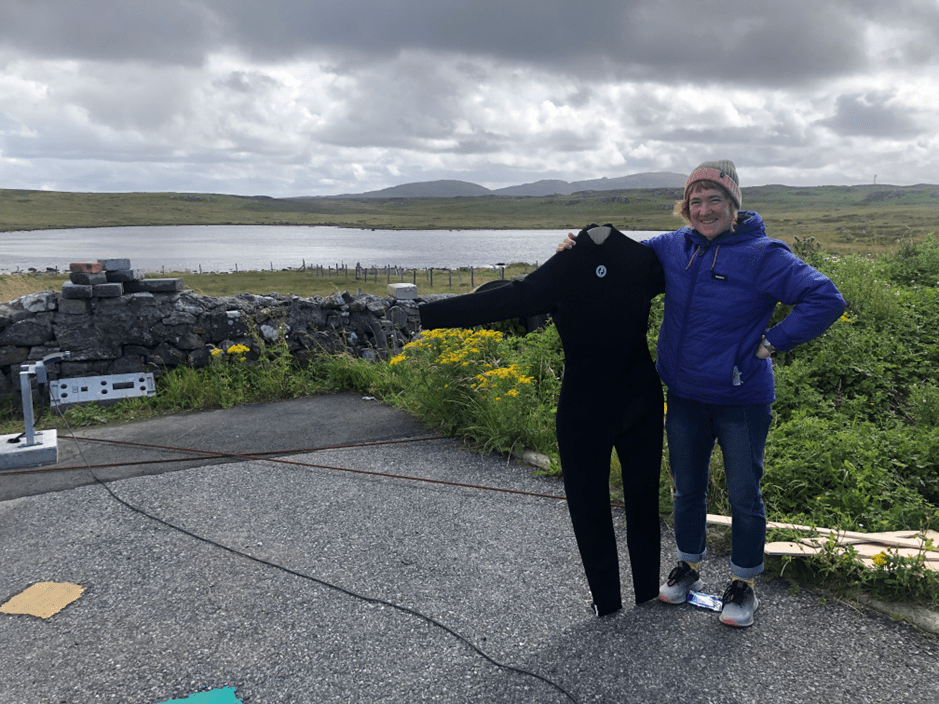
artist with wetsuit Raft 1, Grinneabhat, Bragar.
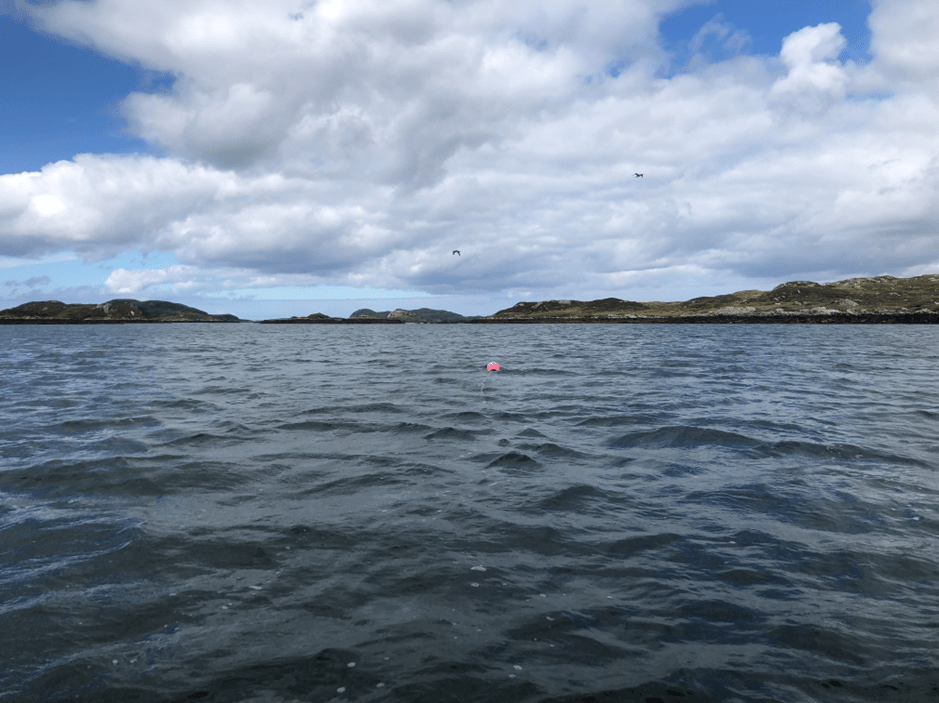
Raft 1 at Strome, Lewis.
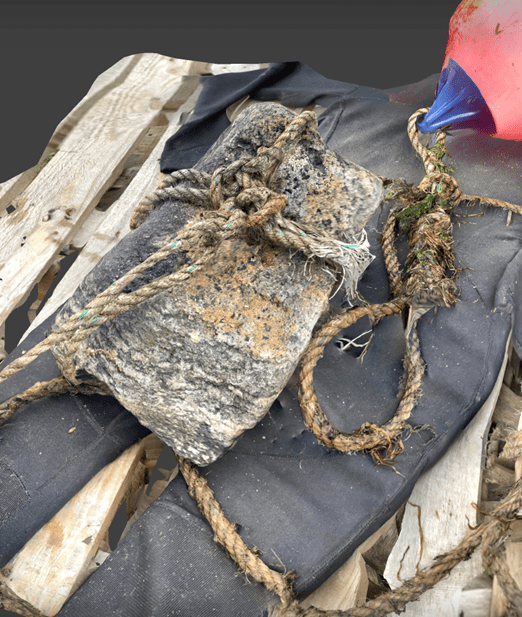
Raft 1: 3D scanned image – tethered anchor stone with buoy and neoprene wetsuit.
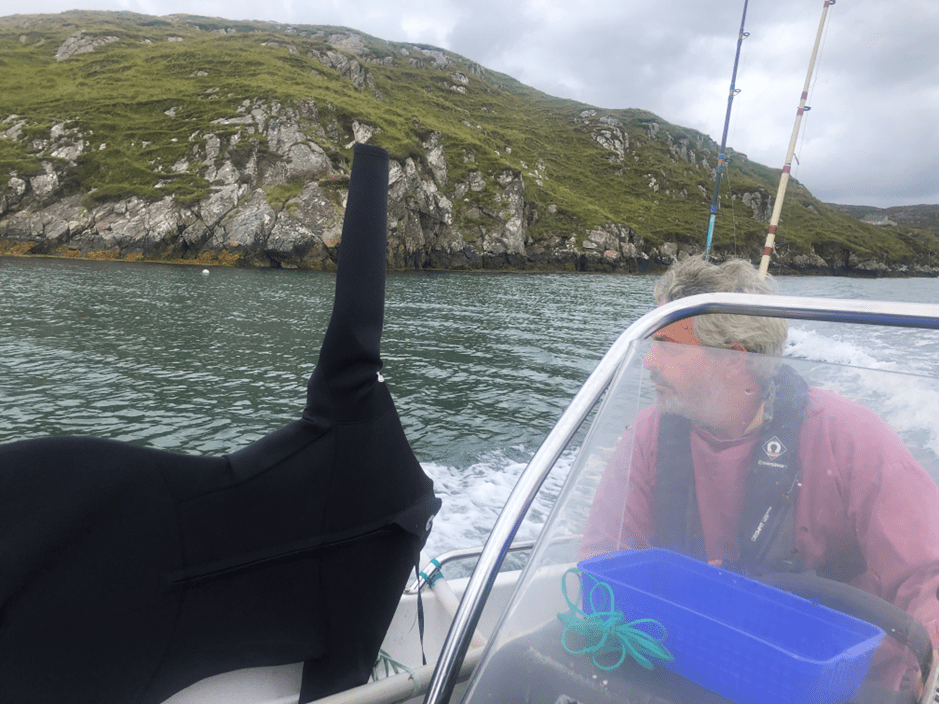
Deploying Raft 1 with Donald Mac Leod and Jon Macleod, Lewis
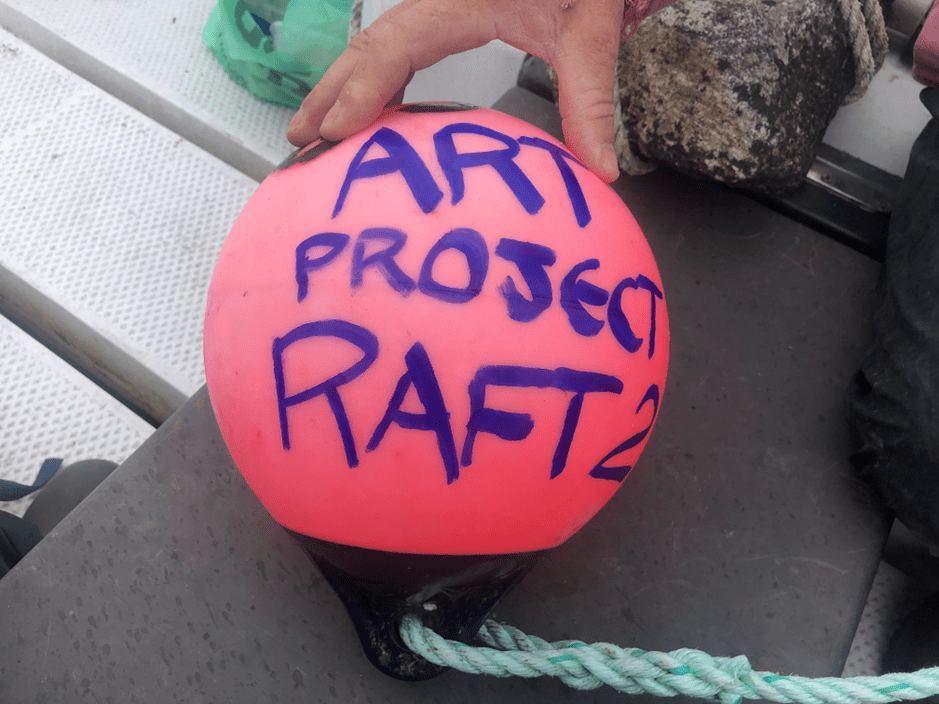
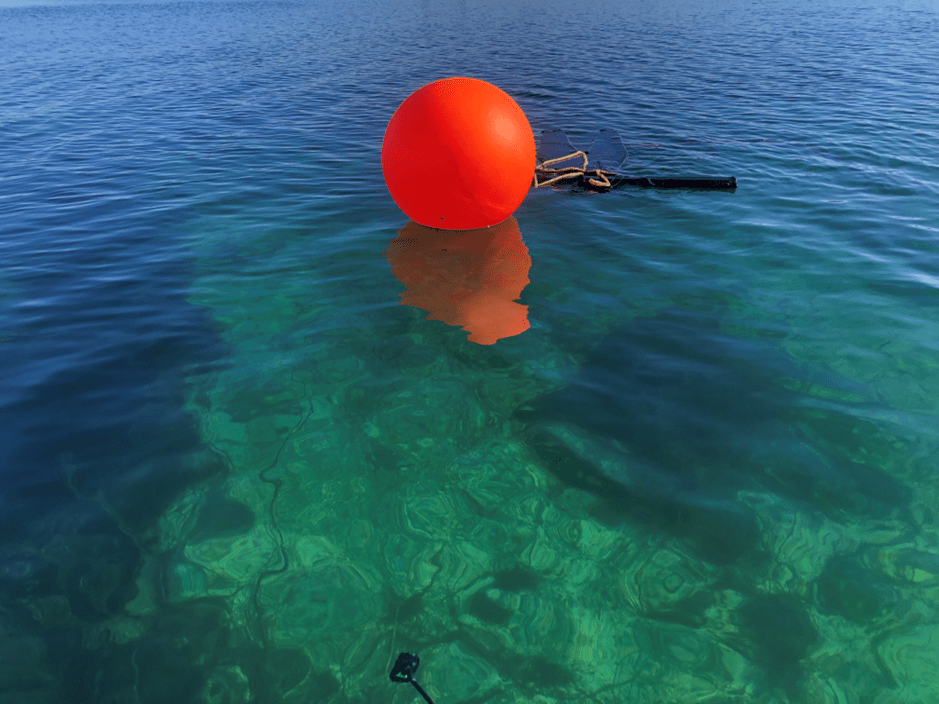
Raft 2, Papa Westray.
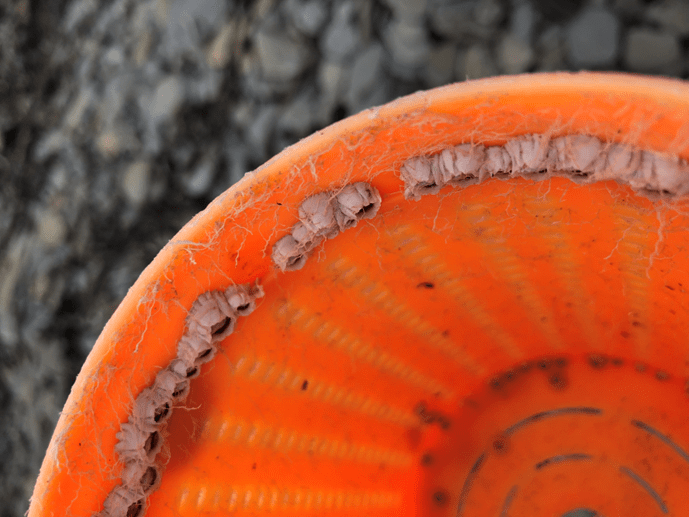
Plastic bucket with limpet species.
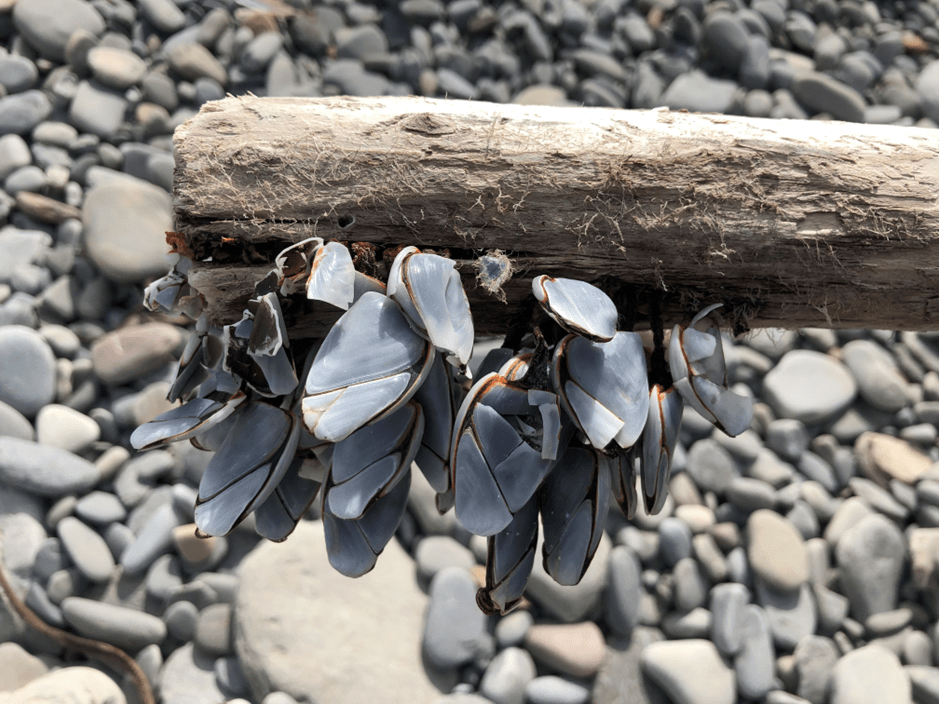
Goose Barnacles on log from possibly Canada, Papay.
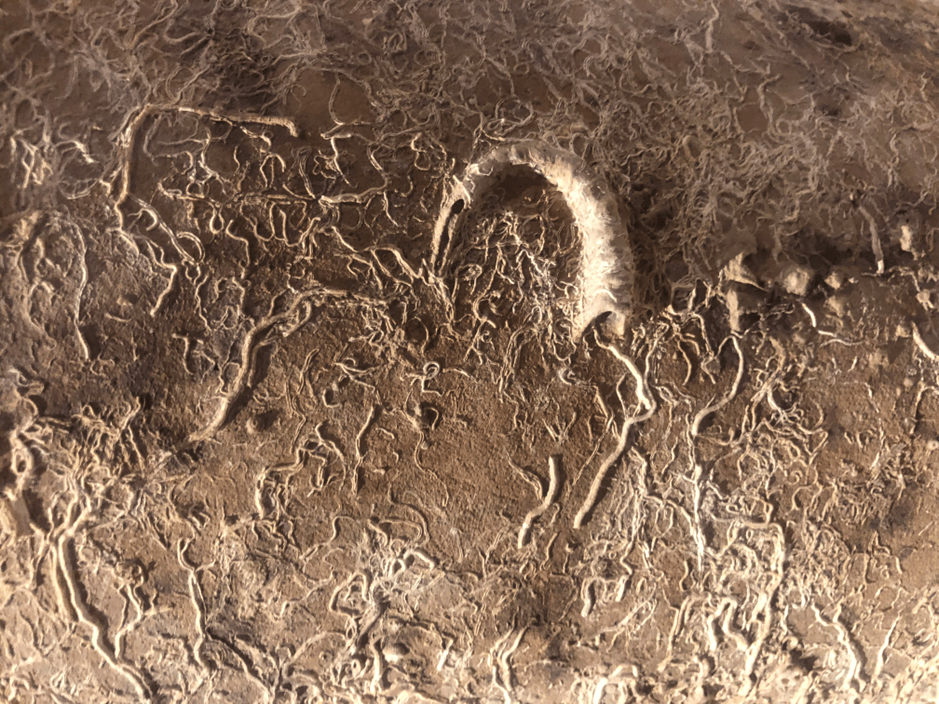
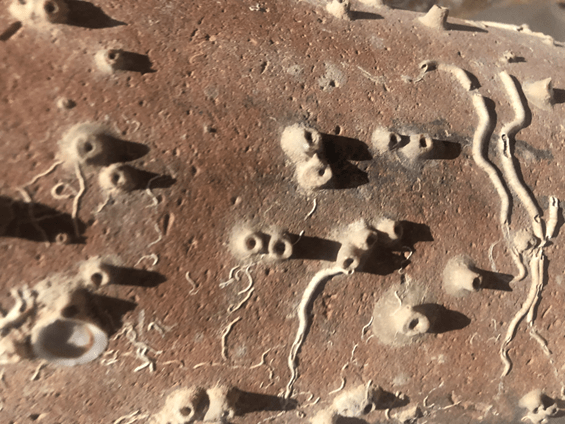
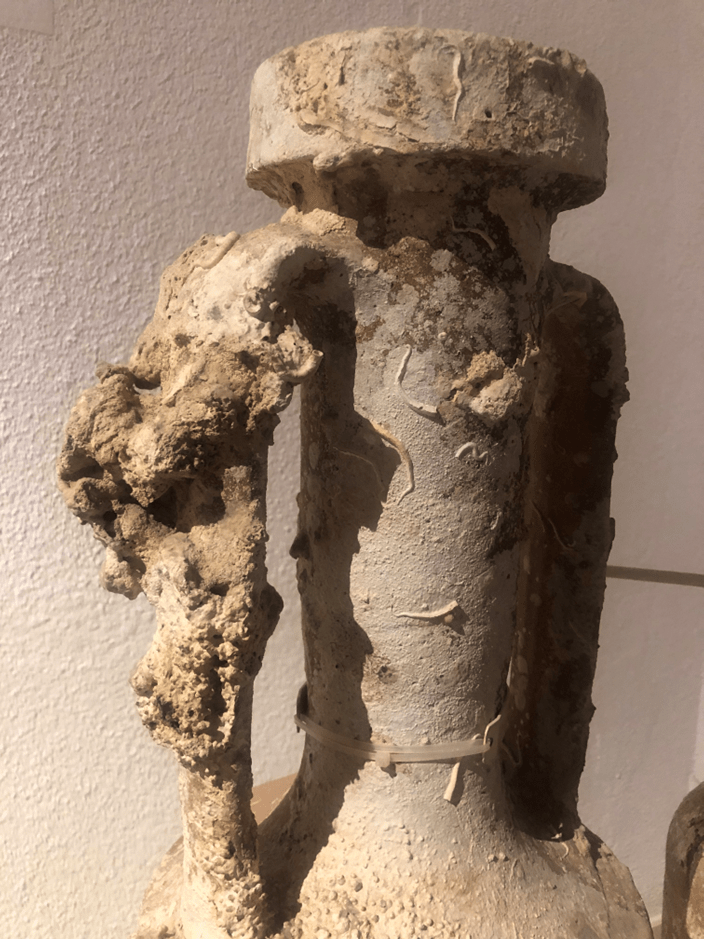
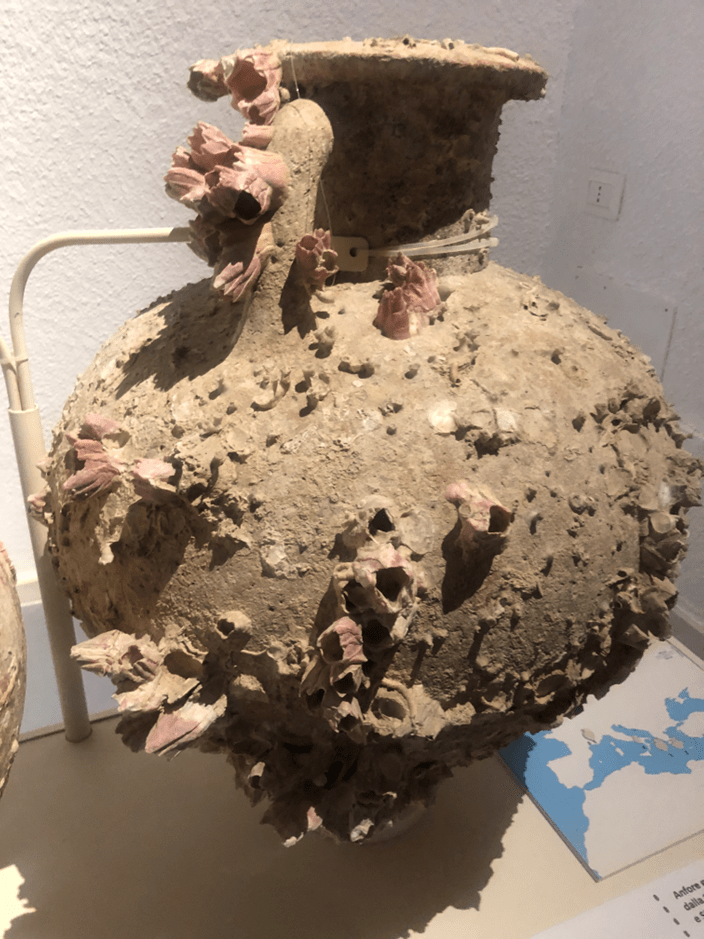
Ancient Roman rafting species detail – Roman amphora from the ocean, Sicily.
Annie Cattrell – RSA artist in residence 2020

Despite the emergence of Covid-19 we have adapted and worked with the regulations to continue with our residency programme at An Lanntair. For RSA academician Annie Cattrell, early on in her residency with us, it became clear that she would have to either leave the island or stay as the lockdown reached us. She decided to return to London but plans on returning to continue her research and making based on her residency brief.

‘to explore and focus on the culture, geology, landscape and waterways in and around Lewis in order to source and mirror the past in what is now’.

The following blog charts the first stages of the residency and of her continued creativity during lockdown.

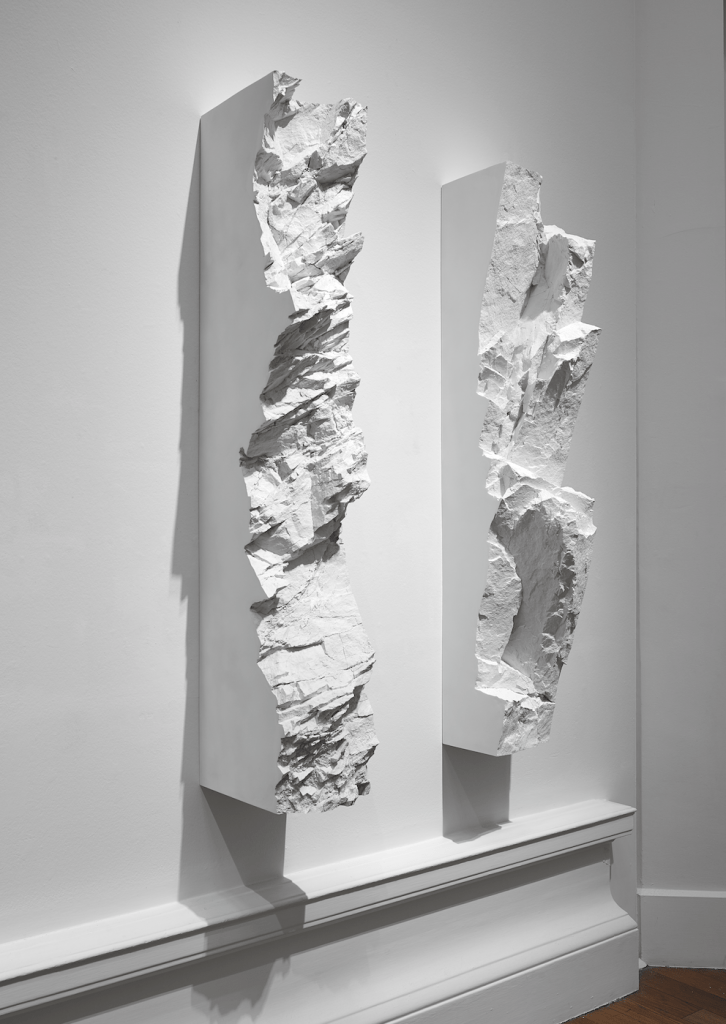
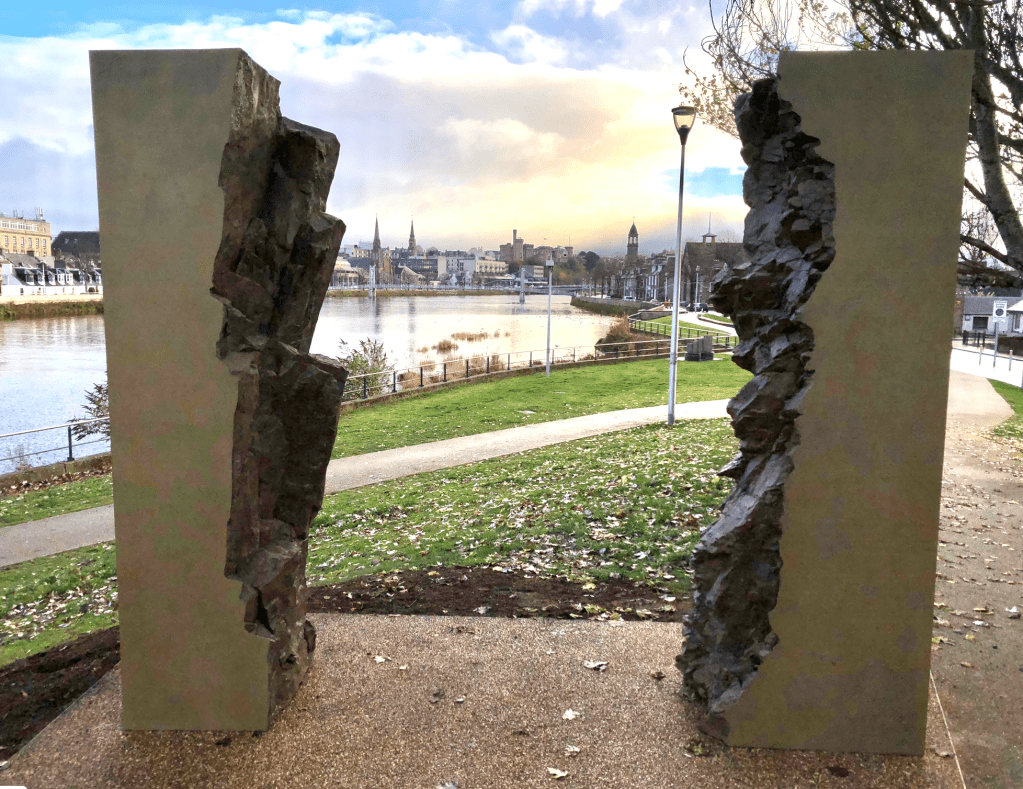
On Saturday the 14th of March 2020, I began the long and increasingly beautiful drive from my home in South London via Edinburgh, and then northwest towards Ullapool, where I caught the ferry to Stornoway.The journey was quite solitary and this allowed me time to further consider my initial ideas for my Royal Scottish Academy residency, and the solo exhibition Source, which was then planned be held at An Lanntair, opening on the 25th of April. Source was to include Fault, my ‘portfolio’ sculpture now in the RSA permanent collection. Fault had been made by directly casting the two distinctly different rock faces on either side of Loch Ness, which is part of the Great Glen Fault, were two tectonic plates meet. This sculpture was the precursor to SEER, a public artwork that is now positioned on the banks of the Ness River at Friars’ Shott, in Inverness city centre. Additionally, I planned to show existing drawings, sculptures and time-based work in combination with what I would make during the six week residency on Lewis.

Fault – RSA permanent Collection – Edinburgh
SEER – Ness River – Friars’ Shott – Inverness

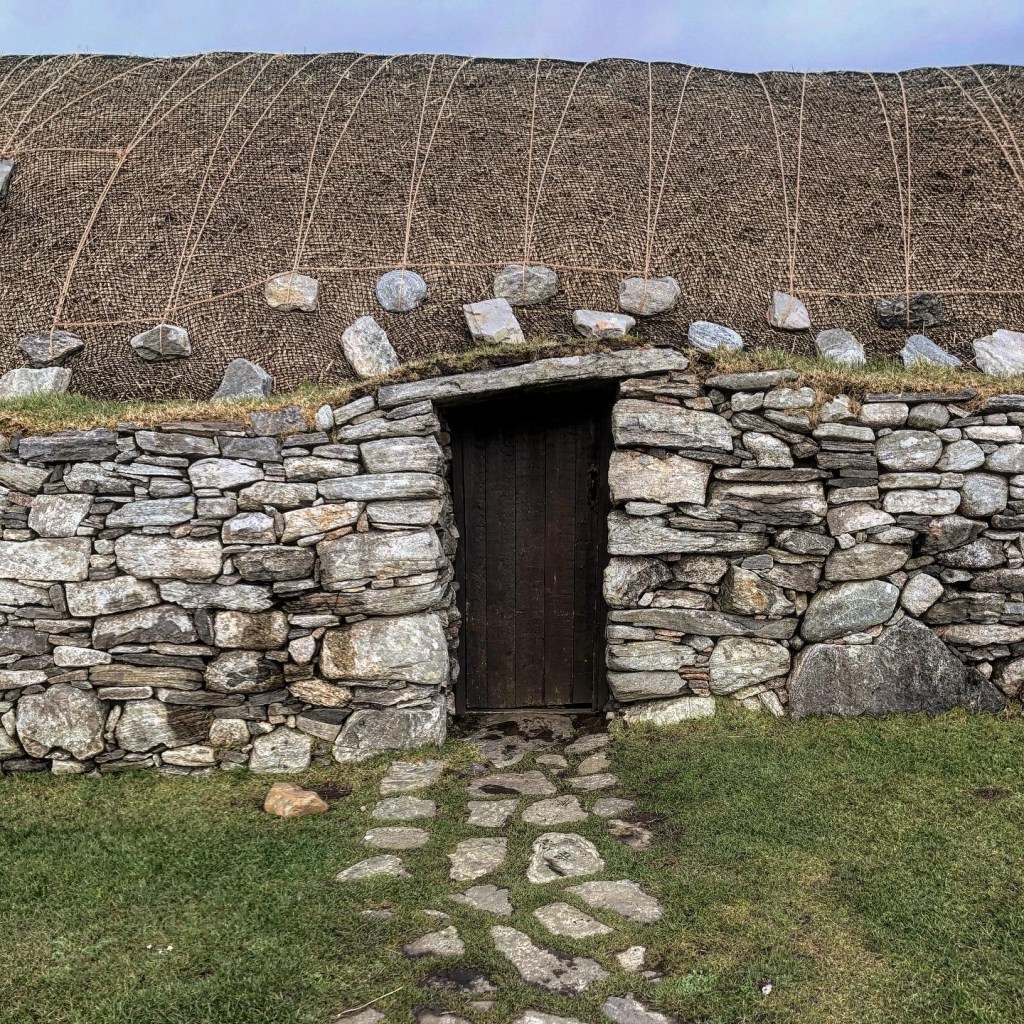
After the two days of travel from London, I arrived in the village of Arnol, on the west coast of Lewis, where the owner and Jon MacLeod met and welcomed me. Arnol faces the Atlantic and is known, particularly, for its’ peat roofed Black Houses * inside which, the occupants would have lived alongside their animals. One of the Black Houses is now a museum, and had previously  been inhabited up until the 1960’s. My residency home/studio was surrounded by the ruins of other Black Houses, working crofts and sheep just about ready to lamb.

Arnol Blackhouse
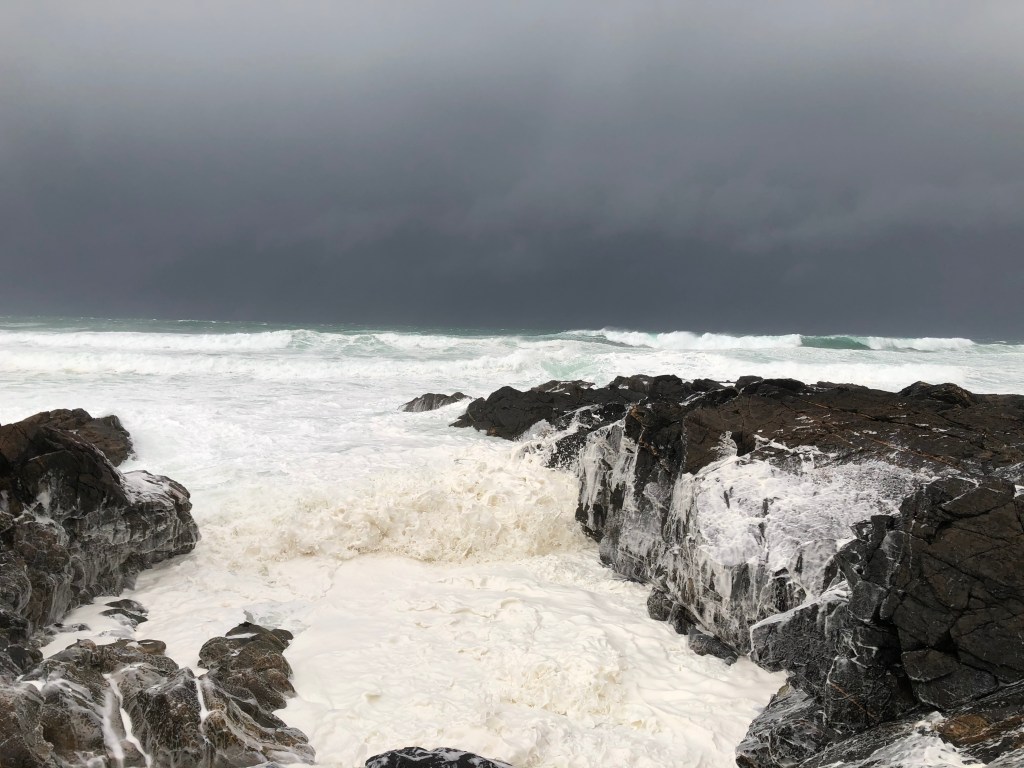
Arnol shoreline

My initial aims were to begin to map where and how the cultural, geological and water meets and coexists on and around Lewis. I wanted to find broad ranging ways of gathering relevant onsite data and references through walking, filming, drawing and direct casting within this landscape.

Lewis drawing 7
Lewis drawing
Lewis drawing 1a

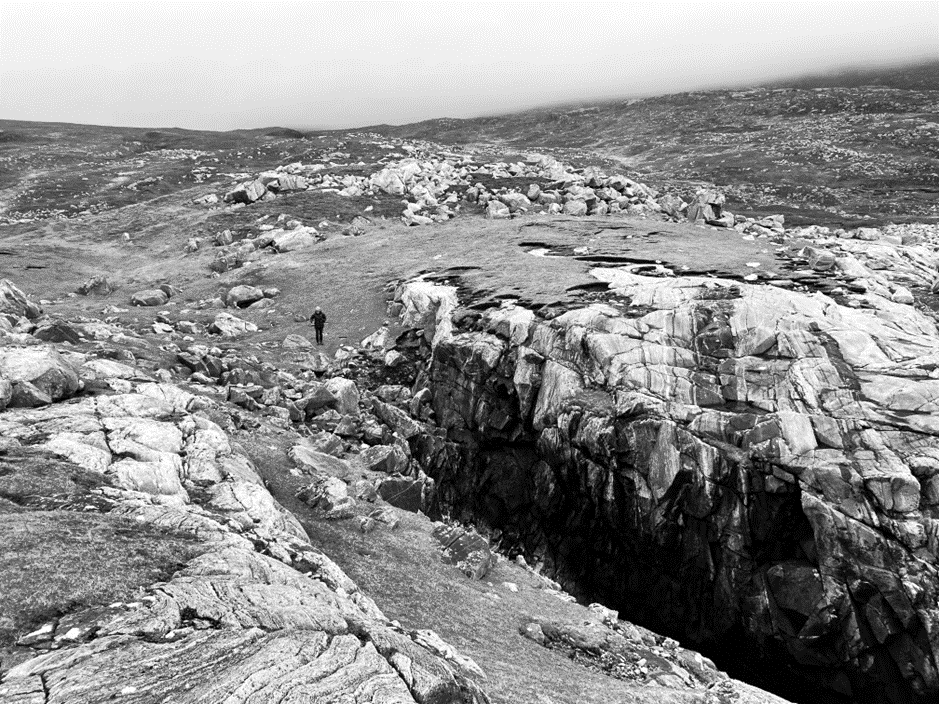
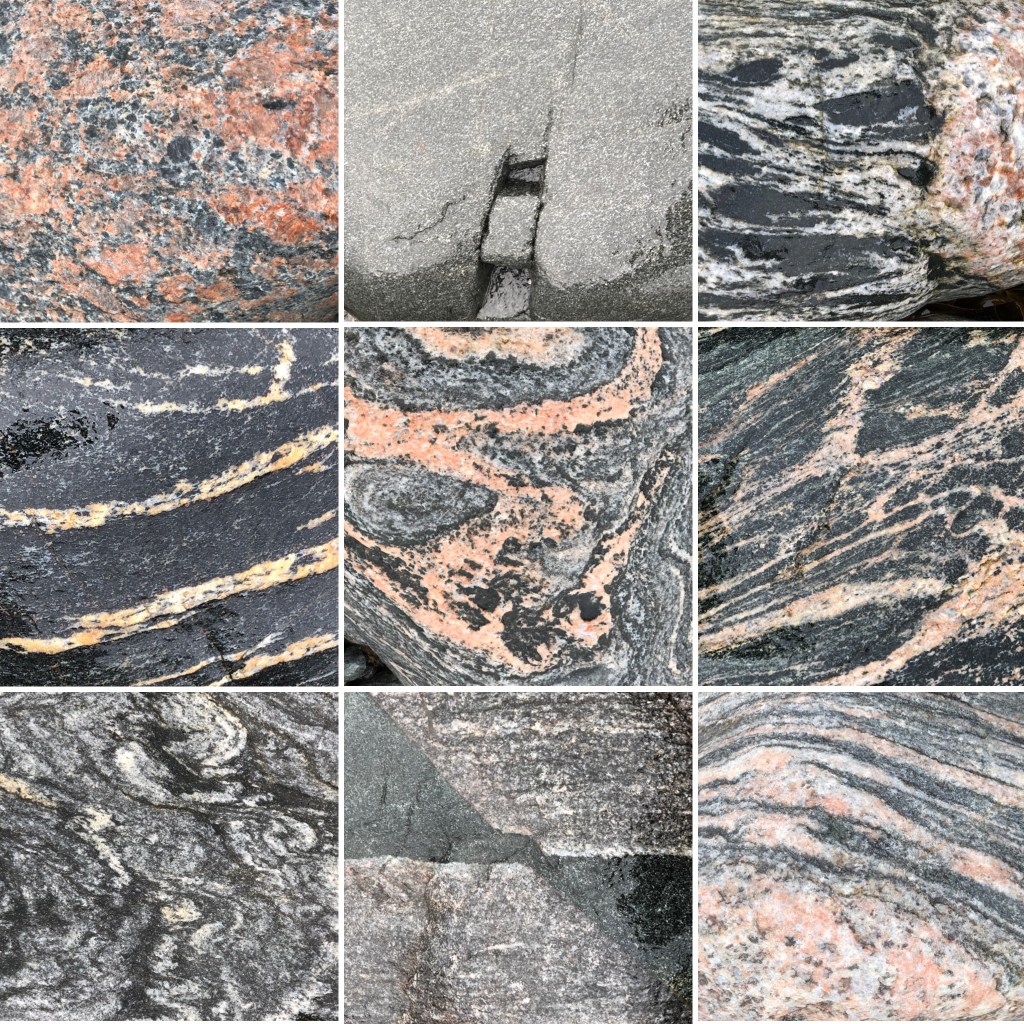
The visible geology, such as Lewisian gneiss, and the Peatland landscape allows for certain readings of time before the current Anthropocene. Deep Time, a term coined by 18th century Scottish geologist James Hutton ** begins to explain geologic time, and this can be clearly seen in physical form, when looking at the  layered strata and composition of exposed rocks. Within the Peatland and bog areas of Lewis, the gravitational flow of water filters through and irrigates.

Lewis Geology

Some of Annie’s drawings and experiences from the Lewis residency have featured in an RSA online exhibition ‘Academicians in Isolation’ and magazine article ‘Art in Lockdown’, which explore how ‘Art can provide solace when circumstances are beyond our control……(and) with studios and workshops closed, the lockdown has required artists to adapt in order to practise ‘.

https://academiciansgallery.org/exhibitions/21/works/

We look forward to Annie’s return to the Isle of Lewis to finish the residency and her subsequent An Lanntair solo exhibition Source

* https://www.historicenvironment.scot/visit-a-place/places/the-blackhouse-arnol/

**https://www.britannica.com/biography/James-Hutton

Outer Space//Outer Hebrides – Bethany Rigby – talks about new work developed from Island Going residency 2019

OUTER SPACE // OUTER HEBRIDES
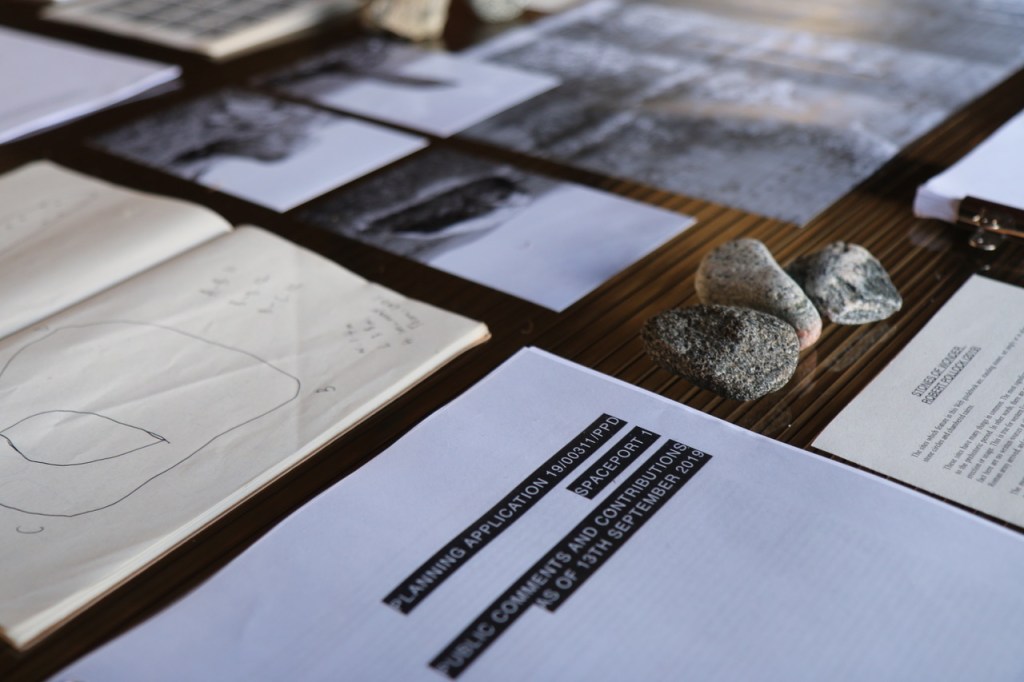
“Following the Island Going Residency 2019 in the Outer Hebrides exploring remote landscapes and an ocean voyage to St Kilda, I have conducted research into the rich archaeological evidence of prehistoric astronomy in the highlands. Whilst in North Uist and surrounding islands, we visited neolithic standing stones, stone circles and chambered cairns- structures that demonstrated astronomical activity. Stones and Cairns point towards the equinoctial, rising or setting sun and stellar alignments, quartz boulders hold lunar significance. This was a place where studying the sky was central to the cultural development of ancient societies. By applying Archaeoastronomical techniques, it is possible to directly observe and experience the structures that neolithic architects used to situate themselves within the wider cosmos. Still remote and largely undeveloped, the Outer Hebrides allows for direct engagement with these archaeological sites, uninterrupted by skyscrapers or light pollution.
At present, the Outer Hebrides is passing into a second age of astronomical significance. The northern latitude, coastal location and geography of North Uist is well suited to satellite launches. Spaceport1 is in the planning stages and is set to become the UK’s first vertical launch site, with test launches expected to begin by next year. The UK government anticipates over £3.8 billion in revenue over the first decade the site will be in use, and will create new jobs in the region. Spaceport1 will be used specifically for launching satellites directly into polar orbits, a particularly useful route for Earth observation satellites. This new development and use of land in North Uist will fundamentally change the relationship between residents of the Outer Hebrides and Outer Space.

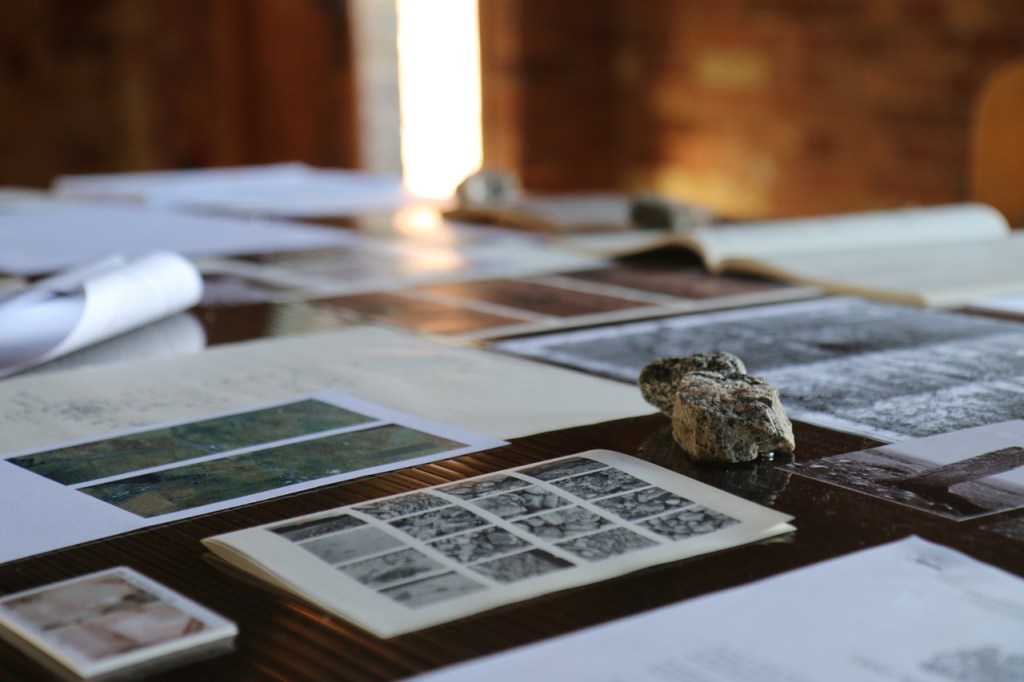
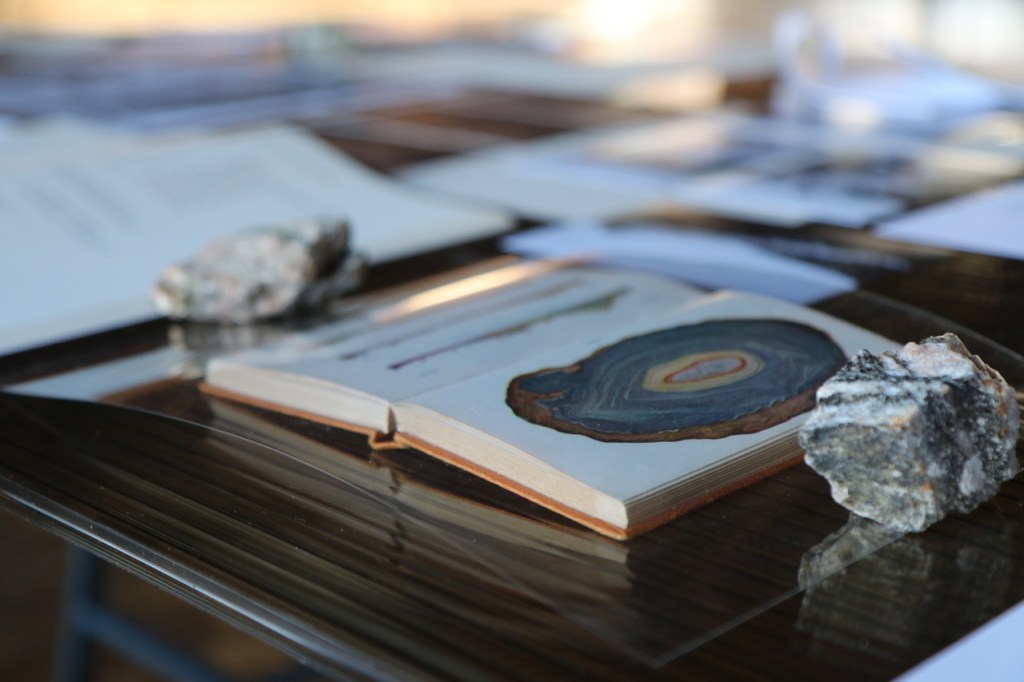
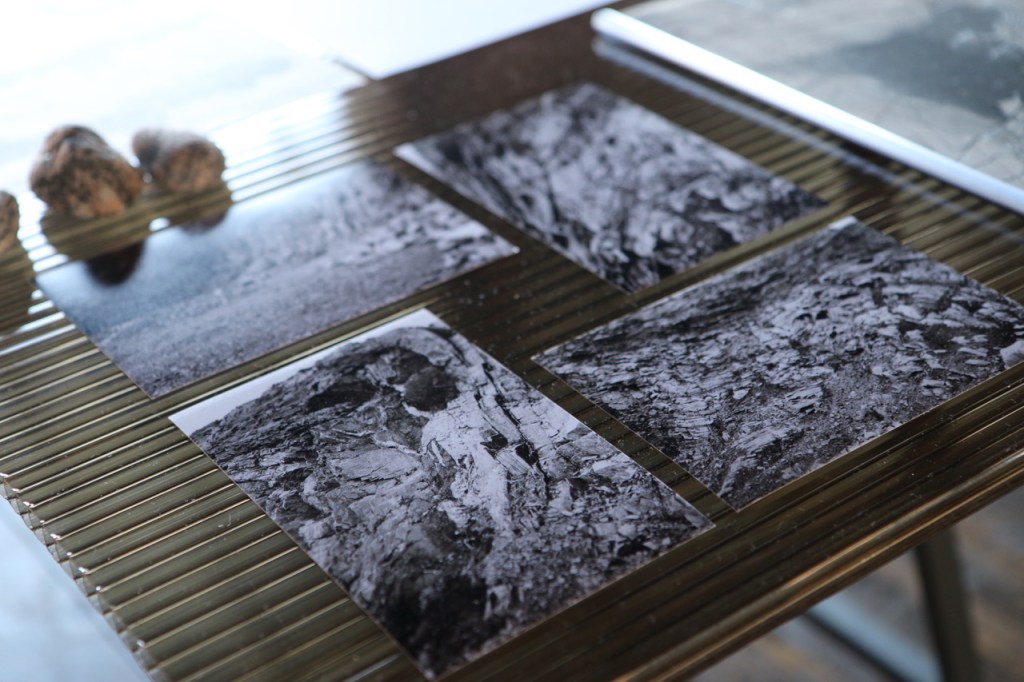
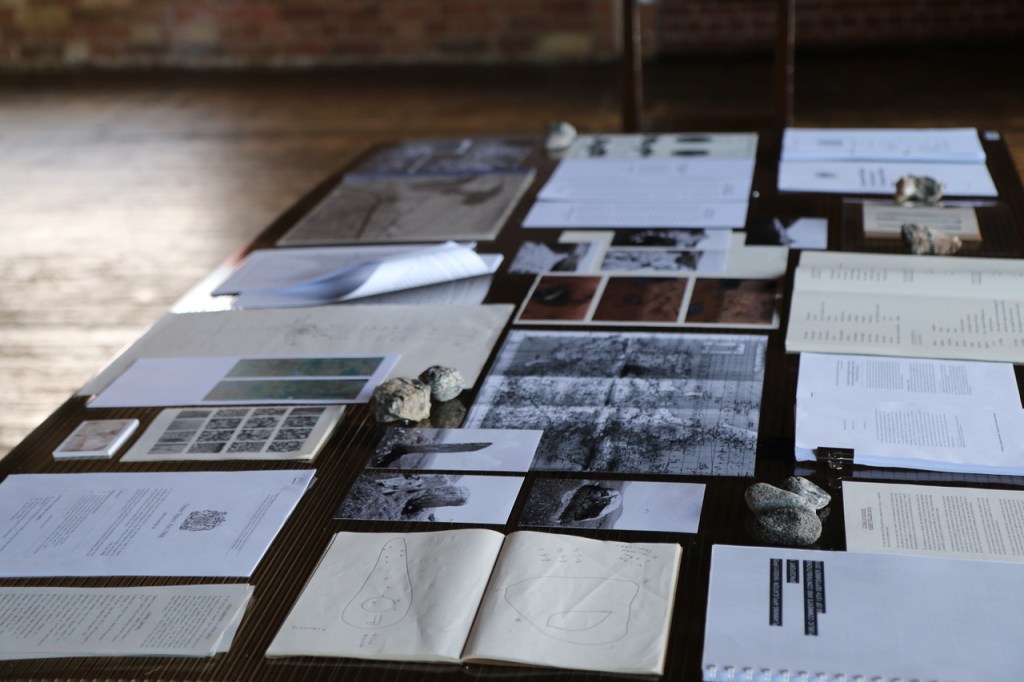
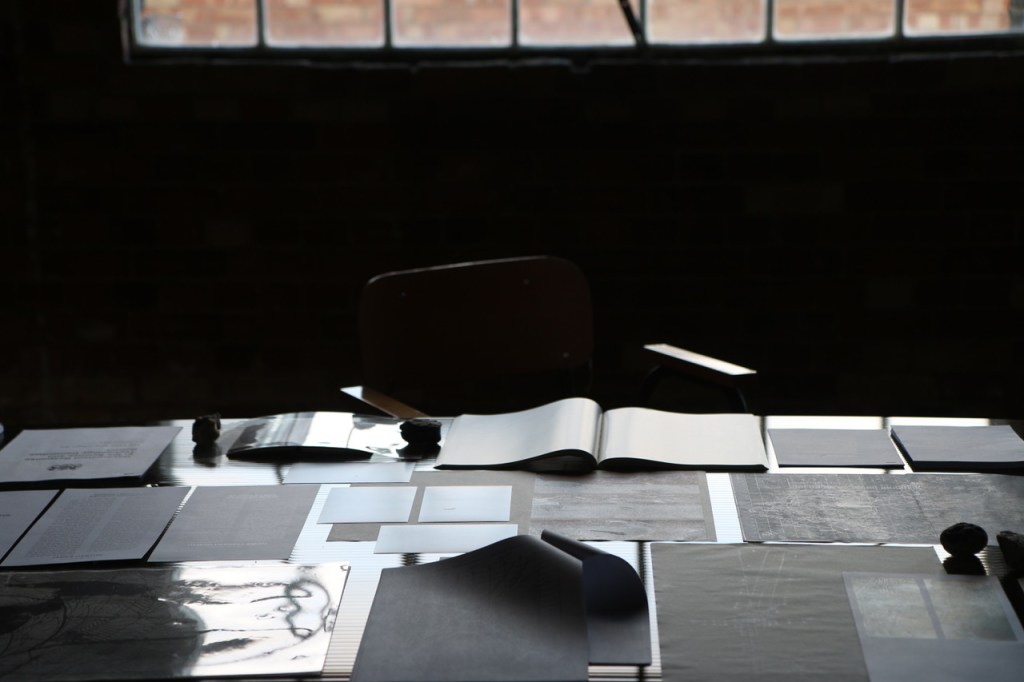
For “Through the Looking Glass/ Humans changing view of the Universe” I curated an archive relating to the astronomical importance of the Outer Hebrides, that traces the history of neolithic archeoastronomical sites, and the future of Spaceport1. It examines the current launch proposals and parallel the astronomical alignments of the neolithic and satellite launch sites. The archive consists of a collection of maps, photographs, documents, plans, drawings, stories and artefacts to demonstrate the astronomical significance of this remote landscape, traced through the past three thousand years and into the future. It contains artefacts and documentation generated both on the Island Going residency and subsequent research. 
This history of the Outer Hebrides embodies humanity’s changing view of our place within the universe, from one of observation and worship to understanding and utilisation. The archive intends to bring discussions of the UK’s progression in the Space Industry to public attention, and celebrate a rich neolithic astronomical history.”

Bethany Rigby was one of the five participants on the ‘Island Going’ residency 2019. Her work will be exhibited as part of an Island Going residency exhibition at An Lanntair and Taigh Chearsabhagh in early summer 2020 alongside work from Alasdair Doyle, Beatrice Lopez, Rachael Bailey, Dan Shay.

www.bethanyrigby.com

bethanylararigby@gmail.com

Island Going 2020

26th May – 6th June

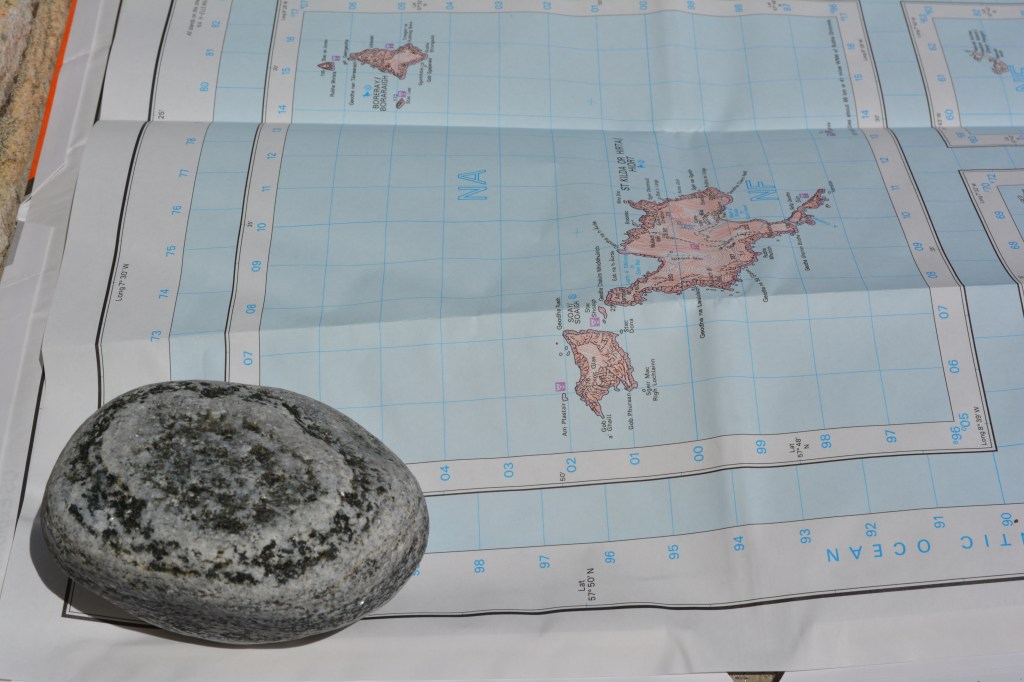
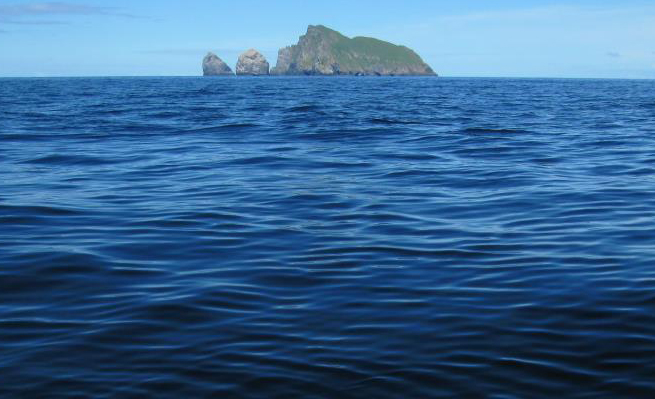
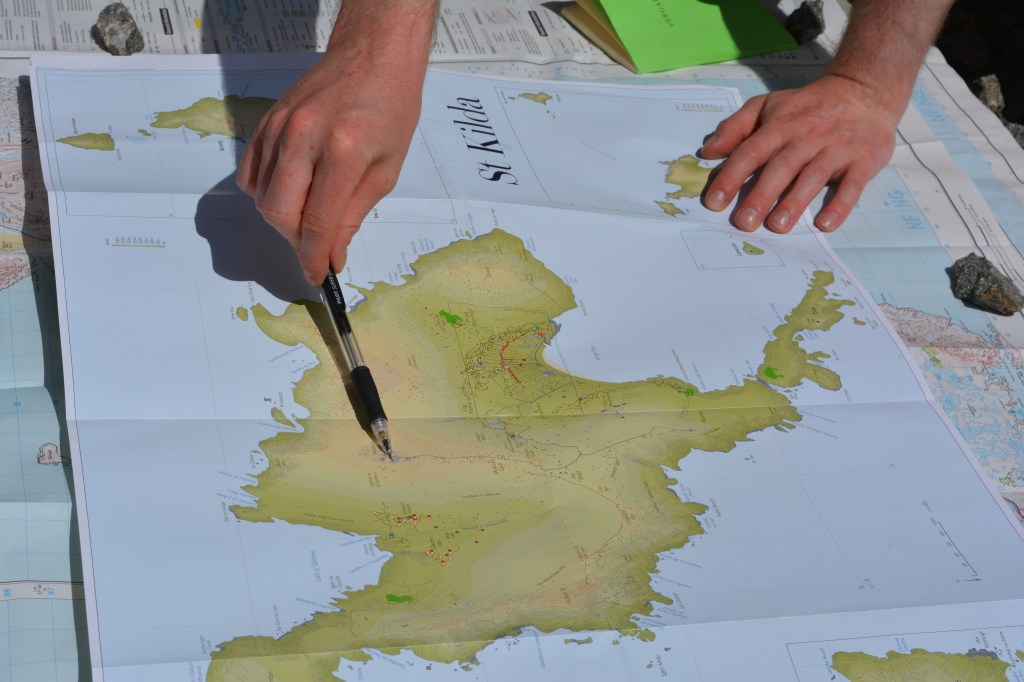
In partnership with ‘Ocean Guides’ * and building on the success of 3 previous Land and sea based residencies for An Lanntair within an established residency programme, this Summer’s ‘Island Going’ residency runs for 11 days – six days at sea and five days on land, for 5 participants, offering the potential to explore the ocean and island environments of the Outer Hebrides, including the St.Kilda archipelago,

In addition to this our residencies come with an ethos of supporting the communities that they are based in, utilising local knowledge, services and expertise as well as providing a window into the language and culture of the islands.

We aim to benefit those communities and foster links between them and the wider world, building a greater understanding of island living and the challenges that the people and the ecosystems of the Outer Hebrides and other island Nations face in the Anthropocene – such as climate change, economic sustainability and cultural and linguistic identity.

Key to our residency programme is an acknowledgment of the rich Gaelic culture of the islands and the role local ‘indigenous’ knowledge plays in the understanding of the past – and how that informs the present. This is embodied in the George Macleod book ‘Muir is Tir/Land and Sea’ – on which the residency is loosely based.

The vessel for the voyage, ‘Ocean Search’ will be the accommodation and means of transport for the voyage, offering the opportunity to sail under the expert guidance of the skipper and crew Andrew and Meg Rodger, owners of ‘Ocean Guides’ as well as the chance to use her scientific kit which includes a hydrophone for listening to and recording cetaceans, underwater cameras for observing the seabed to 40m, sidescan sonar to search for underwater features such as reefs or wrecks and a seabed grab sampler.

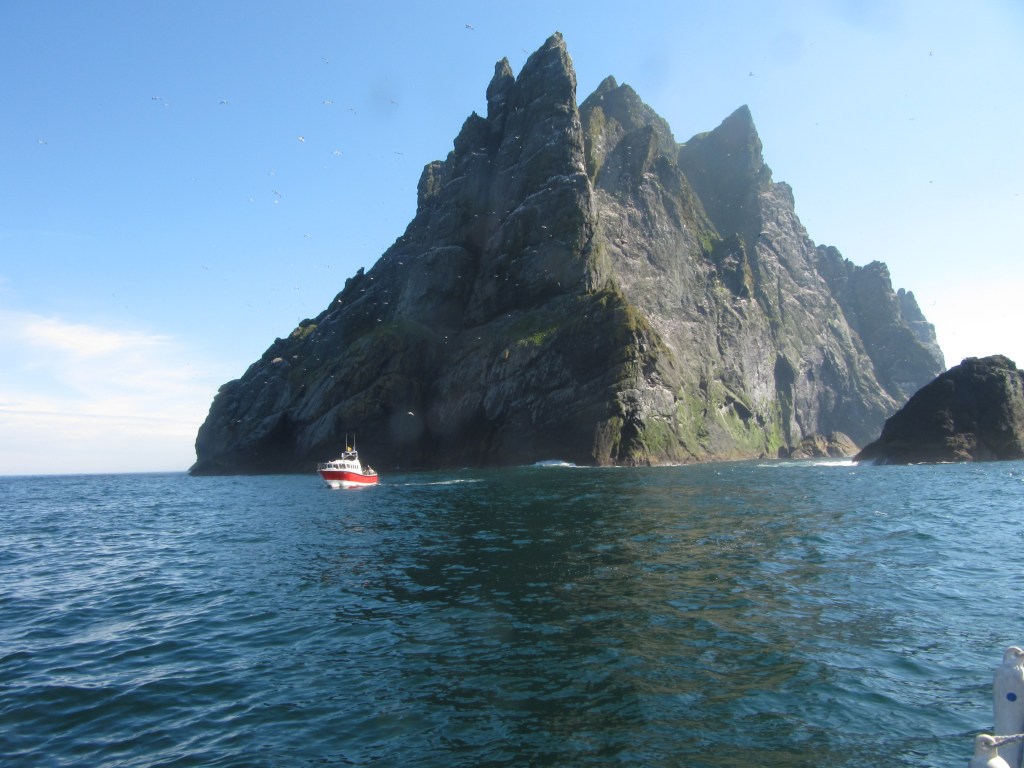
The first part of the residency will be spent on ‘Ocean Search’ exploring the coastline and islands of the St.Kilda archipelago and the Sound of Harris. The second part of the residency will be based on land staying at John’s Bunkhouse on the fascinating island of Berneray, located part way between the Isle of Harris and North Uist, where participants will have time to reflect on the ocean based time, develop ideas from the voyage, and/or undertake further research and creative exploration on the island with the support of An Lanntair’s Project Curator – Jon Macleod.

Costs + what the residency provides

£1400 – this includes 6 days boat charter, skipper and crew, food on board the boat

5 days accommodation at John’s Bunkhouse on the island of Berneray

Creative support to help facilitate projects and discuss ideas during the residency

Curatorial support towards developing residency work further

Guidance and support on the land based part of the residency

Collection and drop off at airport or ferry terminals

Exhibition opportunities at An Lanntair – in discussion with curatorial staff

The opportunity to develop ideas further in a Residency Journal format

A residency library of selected titles and suggested reading list

In the past the residency has often proved a dynamic research arena for collaborative practice , the nature of the experience proving rewarding for the cross- fertilisation of ideas

Application details

The Residency is open to International and Uk based artists and is multi-disciplinary in its approach – places have been offered to writers, dancers, filmmakers etc. in the past

Please send a 300 word statement outlining your intent for the residency + a 500 summary of your practice. Please provide examples of previous works in Jpeg format (8 max) and/or website/blog/vimeo etc. link, to

jon@lanntair.com

Closing Date 14th February 2020

Successful applicants will be informed by 21st February

** We can offer letters of support for selected participants applying for grants for the residency

* https://oceanguides.co.uk/

More information can be found on the following links

https://www.heraldscotland.com/arts_ents/visual/16602837.galleries-artists-thrown-in-at-the-deep-end/

lanntair.com/creative-programme/residencies/

Please feel free to get in touch for any further information

jon@lanntair.com

Fogo Island

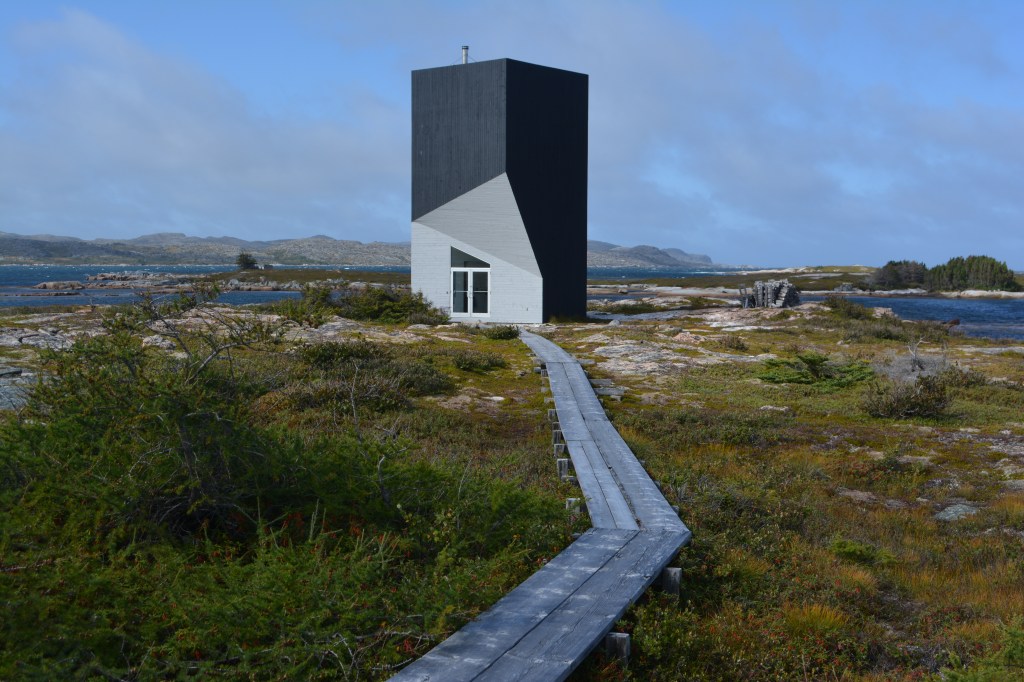
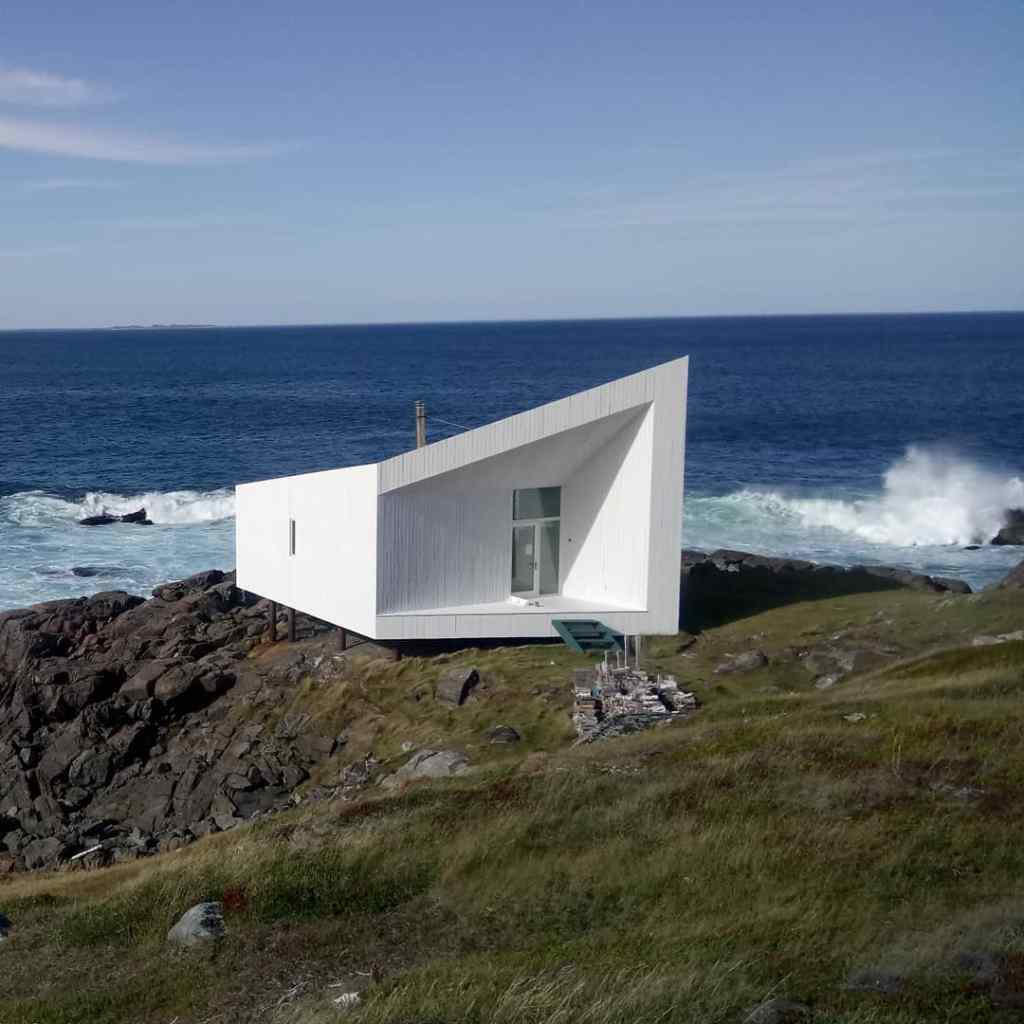
The Tower Studio, Shoal Bay, Fogo Island

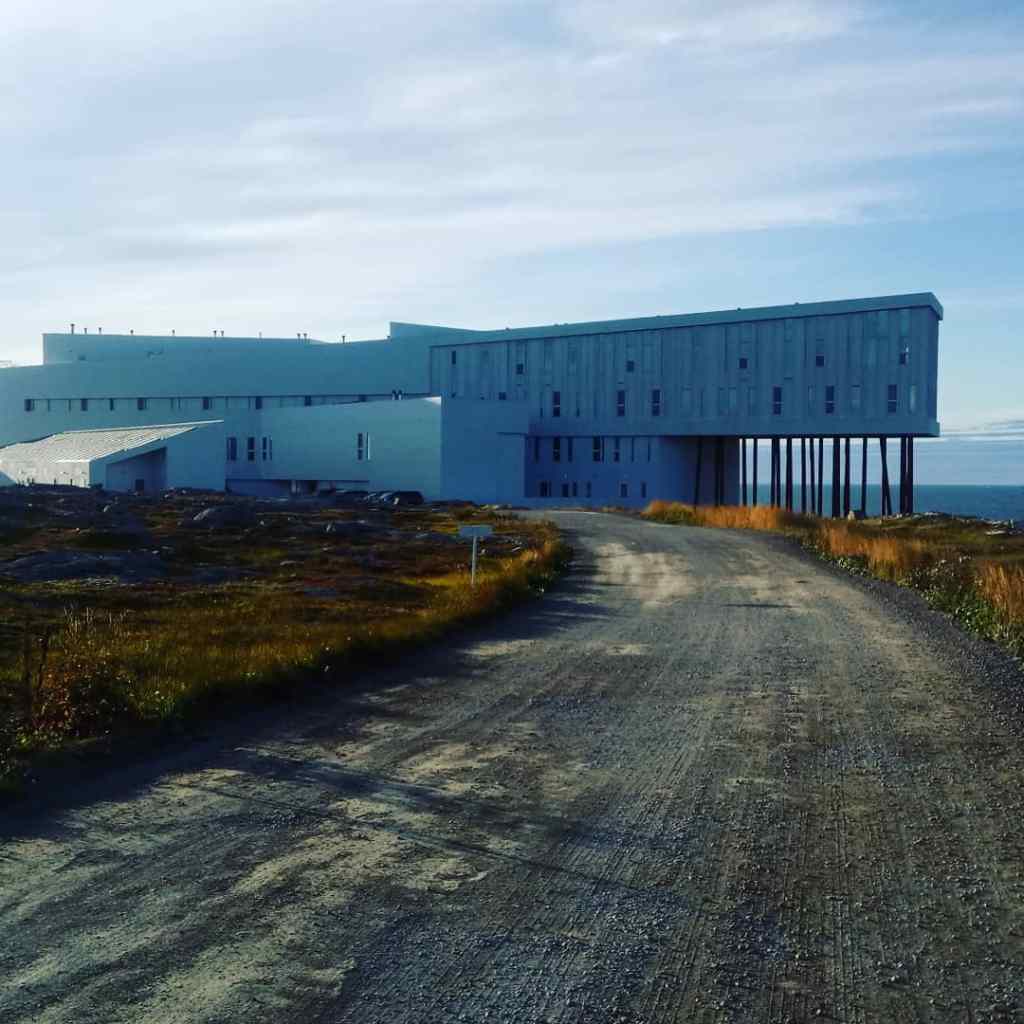
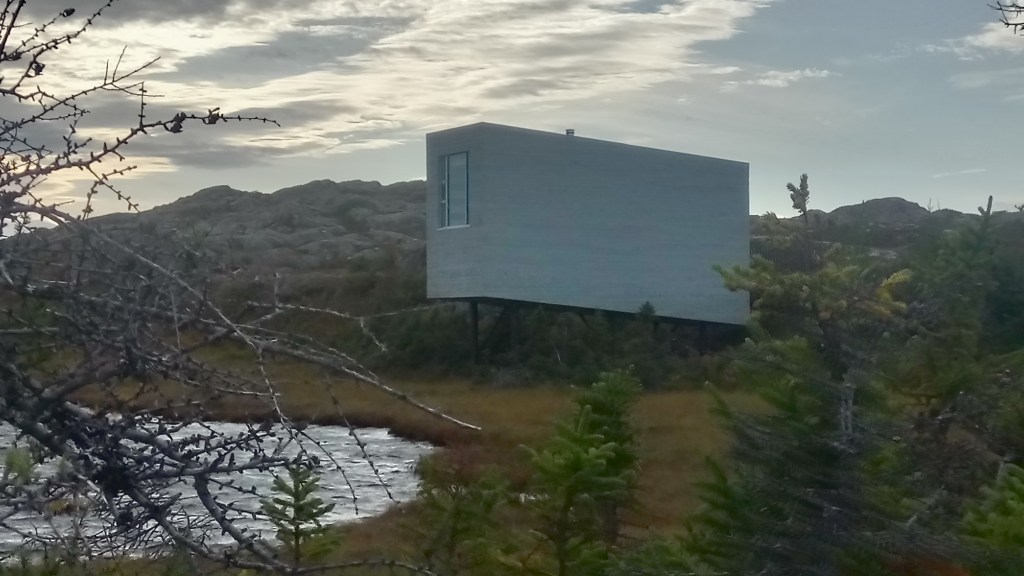
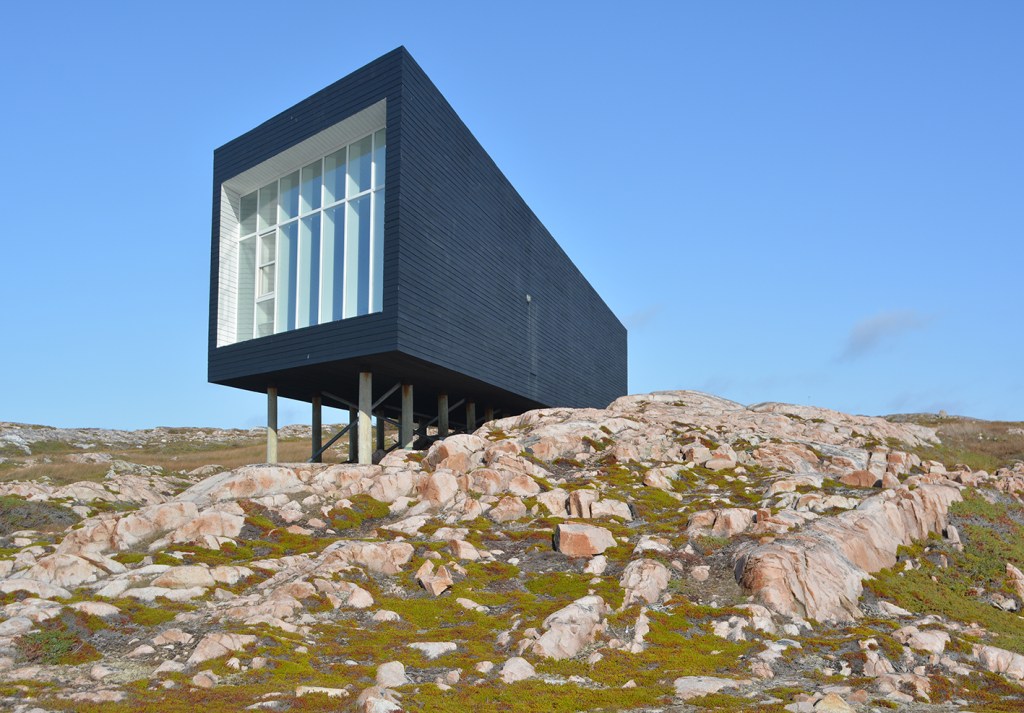
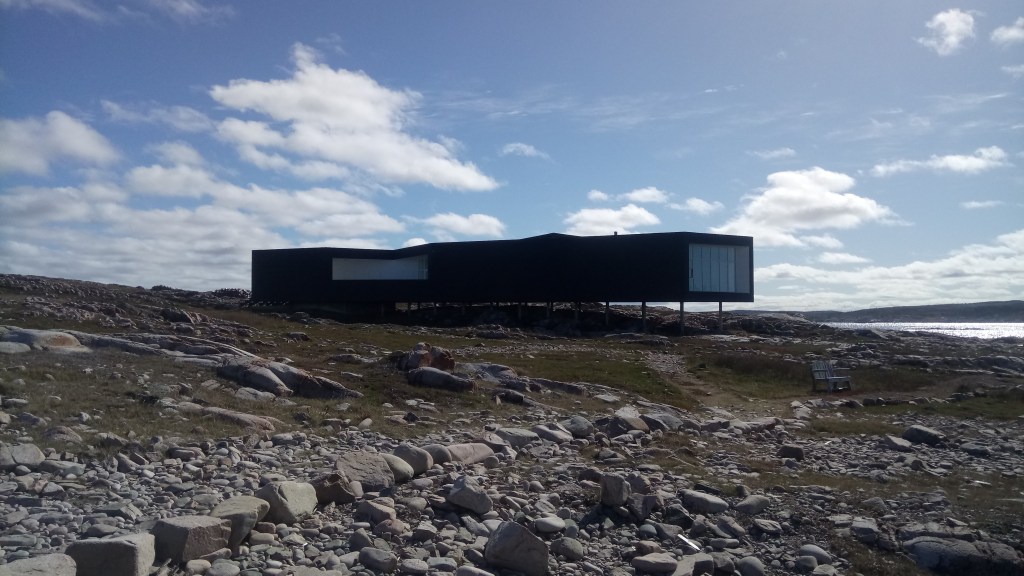
I’m currently in Fogo Island, Newfoundland, the venue and location for a trailblazing initiative that combines visionary architecture, community cohesion and dynamic economic insight. It is also host to a world renowned Residency Programme offering four different studio spaces, Long studio, Bridge studio, Squish studio and Tower studio – in amazing locations across the island and a hotel that has been voted amongst the top ten hotels in the world, The Fogo Island Inn.

I am on a Churchill Fellowship researching the role of creativity and creative thinking as a force for change and re-envisioning in island communities. (My focus is on Newfoundland and in particular Fogo Island, the Bonavista Biennale and Union House Arts Residency). Here in Fogo residencies are one part of the mix , alongside grassroots community involvement and participation and a focus on supporting the islands economy and well-being.

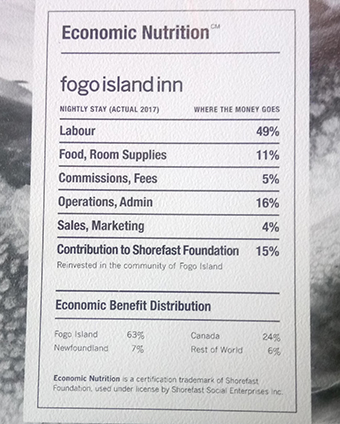
One of the driving forces behind the vision of Fogo Island Arts is ‘Shorefast’ (a name derived from a practice from the days of the Cod fishing industry) which runs the residency and exhibitions programme as well as a host of other initiatives. It has pioneered the practice of ‘Economic Nutrition’ which demonstrates where the money goes, so that the business side of operations is supportive of ‘people, planet and place, all profits from Fogo Island Inn are returned to Shorefast for re-investment in the local economy’.

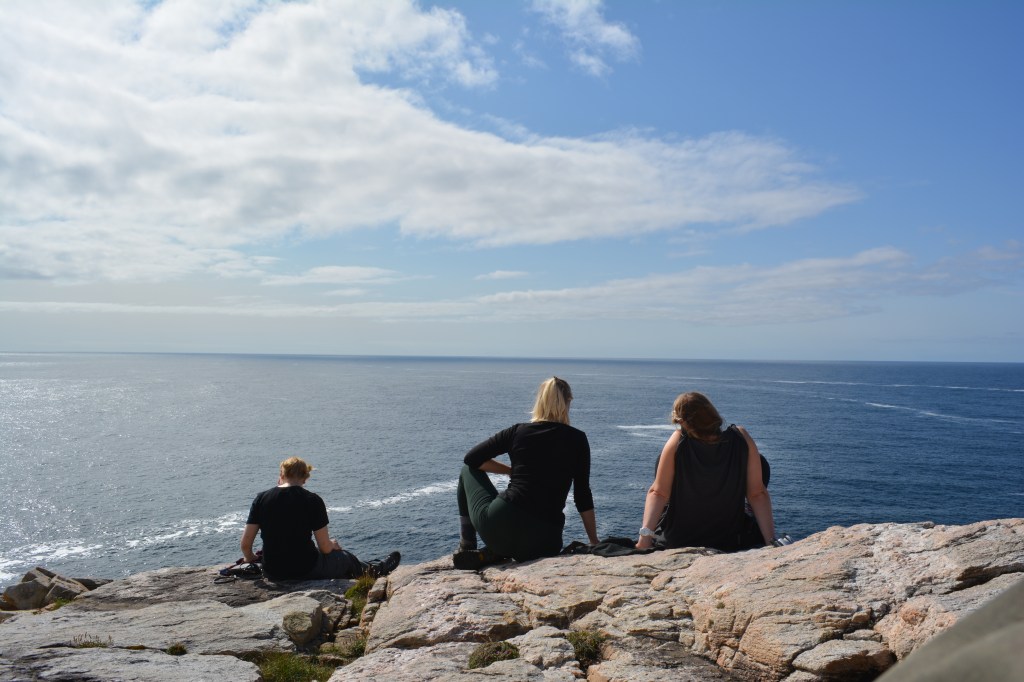
My experience of Fogo island has been one of breathtaking landscapes, great hospitality and people and a strong sense of culture and identity. This sounds familiar to where I live. But as well as this Fogo Island is a testament to what creative thinking and community cohesion can achieve.

(w)ORD

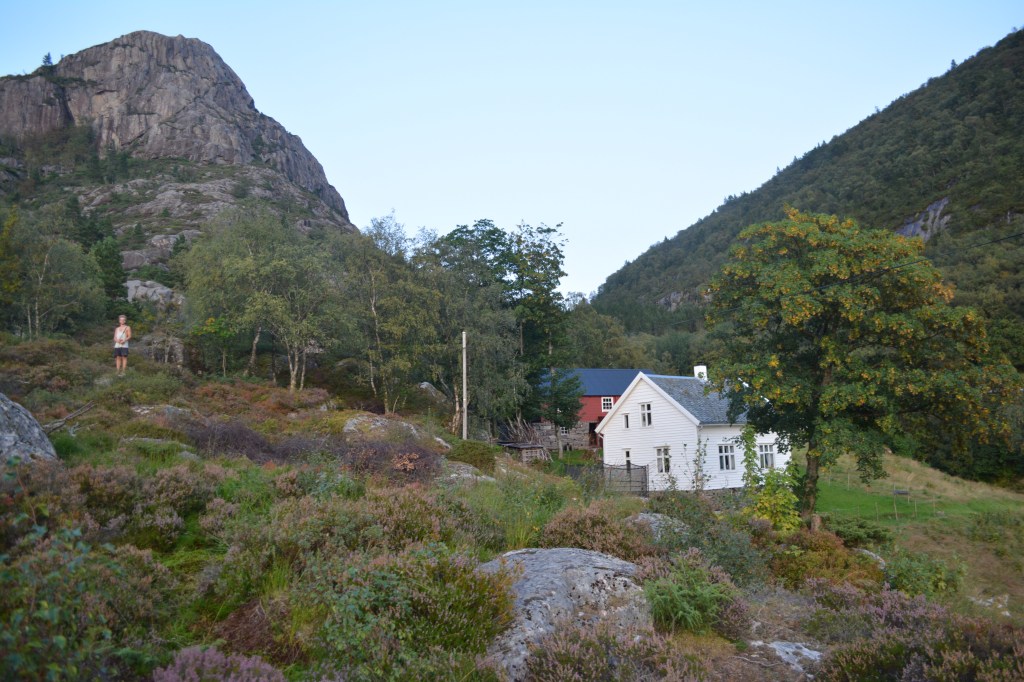
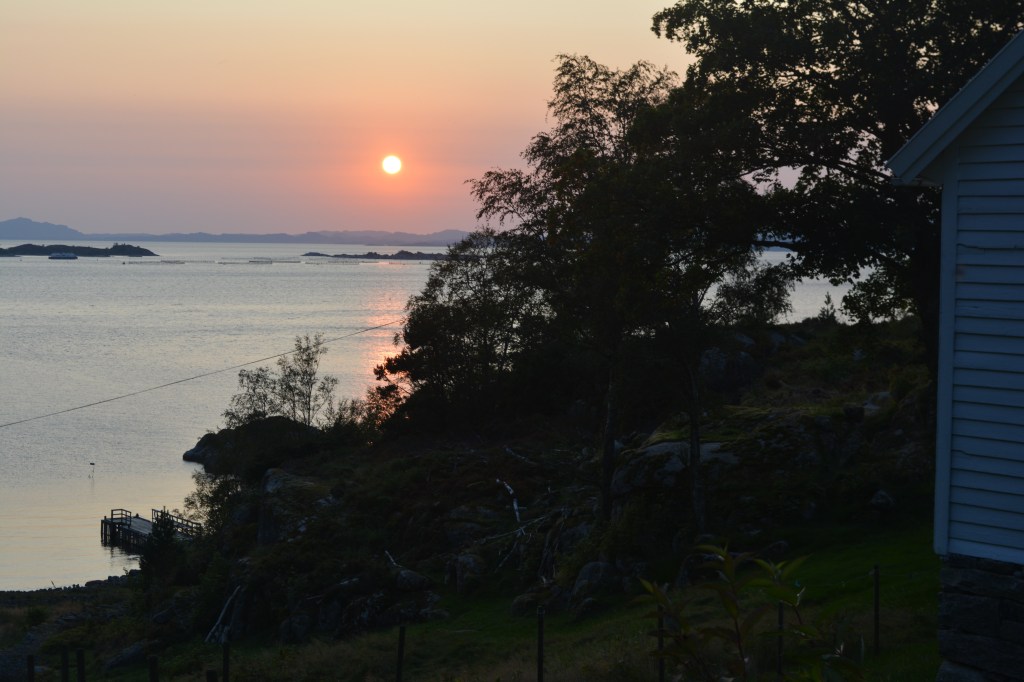
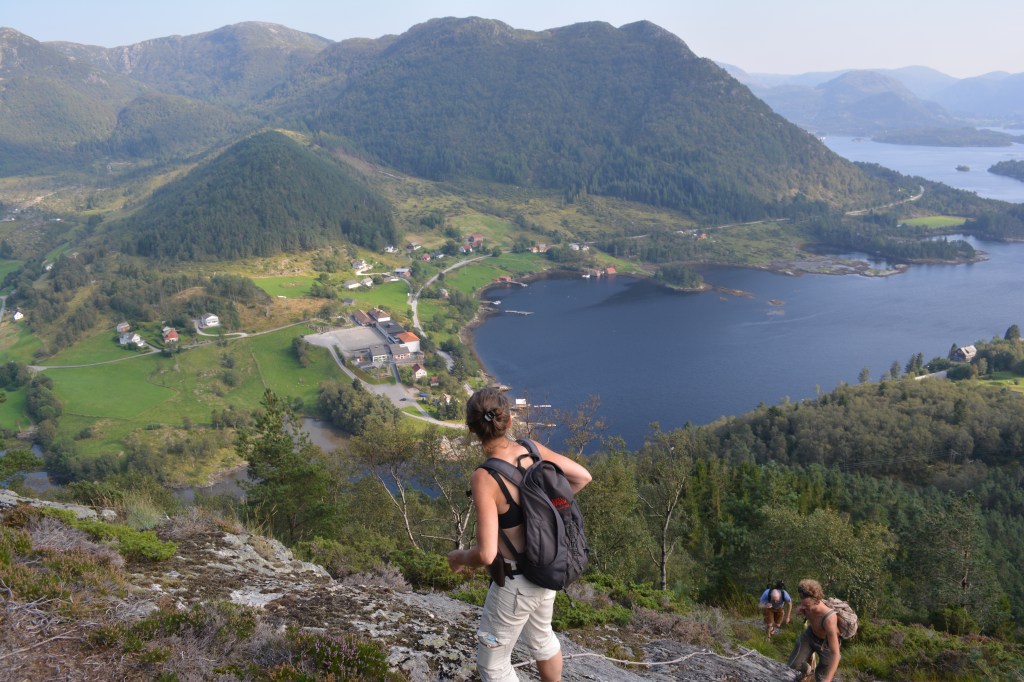
Residency location – Tjuvika

More recently I have been taking part in the (w)ORD residency exchange between Norwegian and Scottish artists – hosted by the Society of Scottish Artists and Bergen Atelier Gruppen – BAG ArtCamp. The residency took place in two locations – offering a city and rural base with talks, visits, seminars and time to explore and discover in the amazing remote Fjordland setting of Tjuvika and the contrasting city location of Bergen – including a visit to the studios of the Bergen Atelier Gruppen located in the city centre container port.

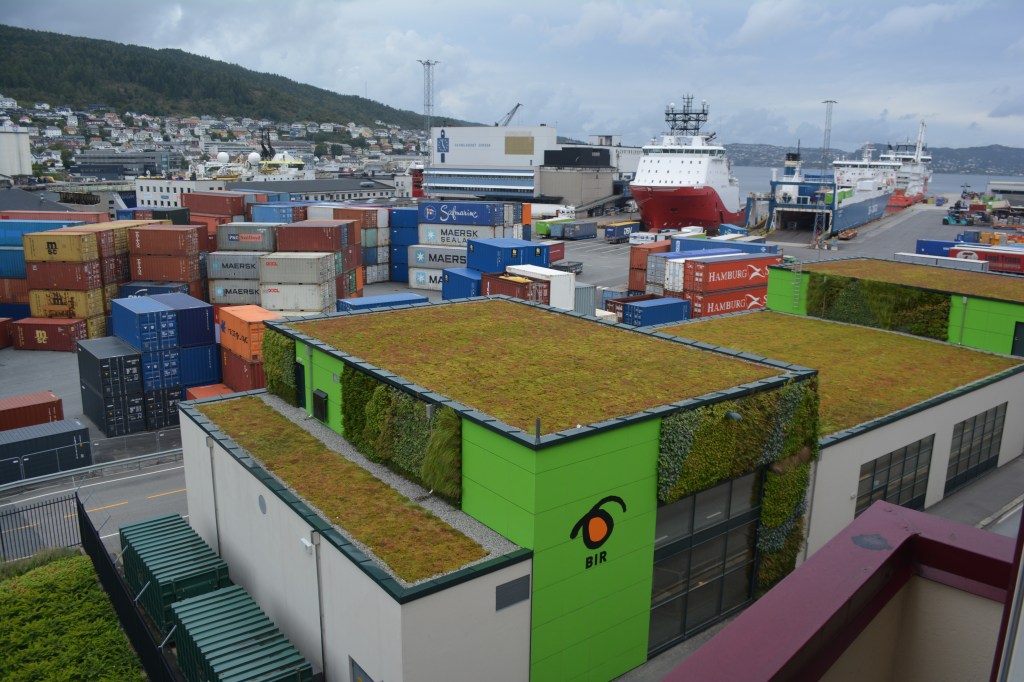
Bergen container port and location of Bergen Atelier Gruppen studios

The residency exchange was initiated by David Faithful in Scotland and Imi Maufe in Norway and is part two – the first residency taking place in Mull last summer, hosted by David Faithful at Tor Mor. The focus of the project was conceived to explore the many cultural and historic links between the two countries through the work and interchange of ideas between contemporary artists.

The residency was incredibly well organised and structured thanks to the hard work and logistics of Imi and Sarah and a pleasure to take part in due to the great company and inspiration from the participants David Faithful, Imi Maufe, Sarah Jost, David Lemm, David Rios, Calum Wallis, Marit Tunestveit Dyre, Randi A. Strand.

I feel like I’ve learnt a lot.

Island Going 2019

For this year’s Island Going residency we worked with Andrew and Meg Rodger from Ocean Guides to deliver a dynamic programme of six days at sea and four days on land – based on the island of Berneray with Chris and Mary at John’s bunkhouse.

This year’s participants – chosen from an open call application were Rachael Bailey, Alasdair Doyle, Dan Shay, Bethany Rigby, Beatrice Lopez.

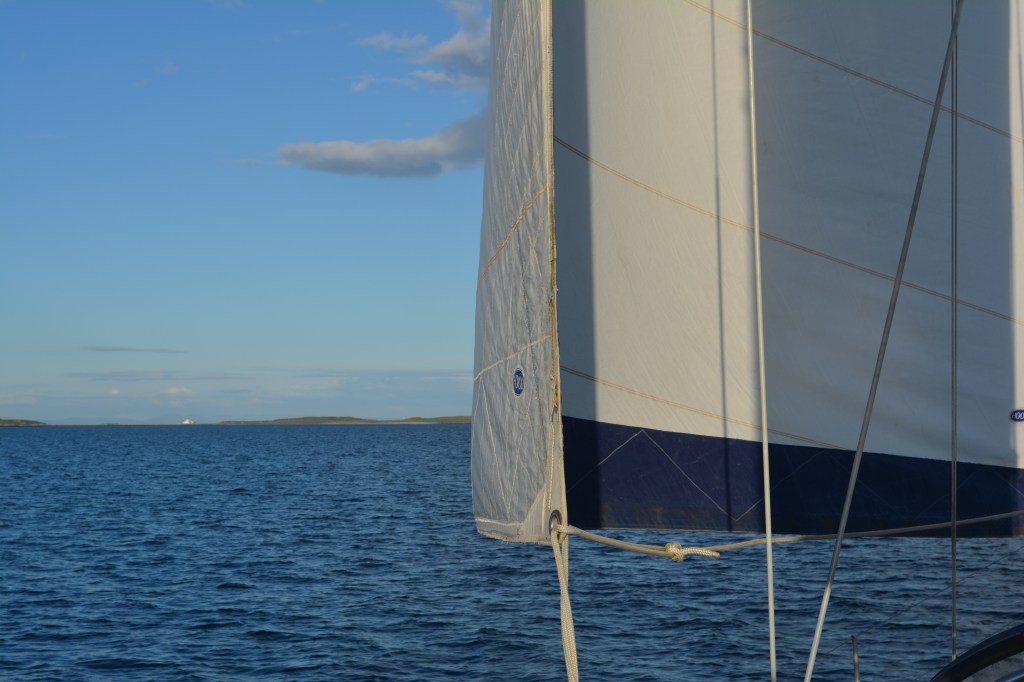
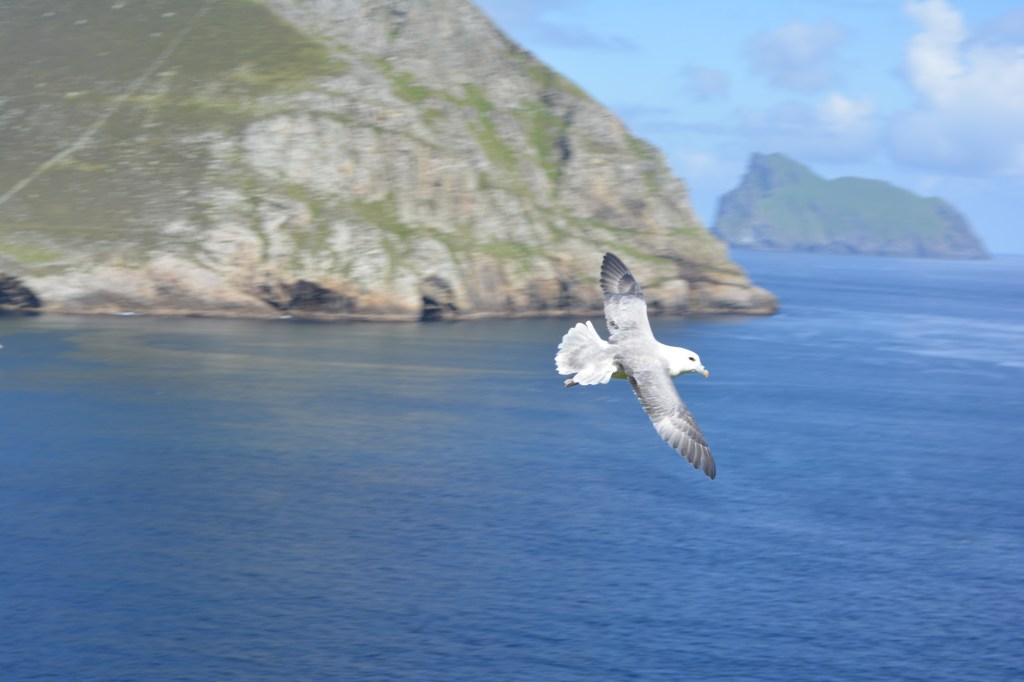
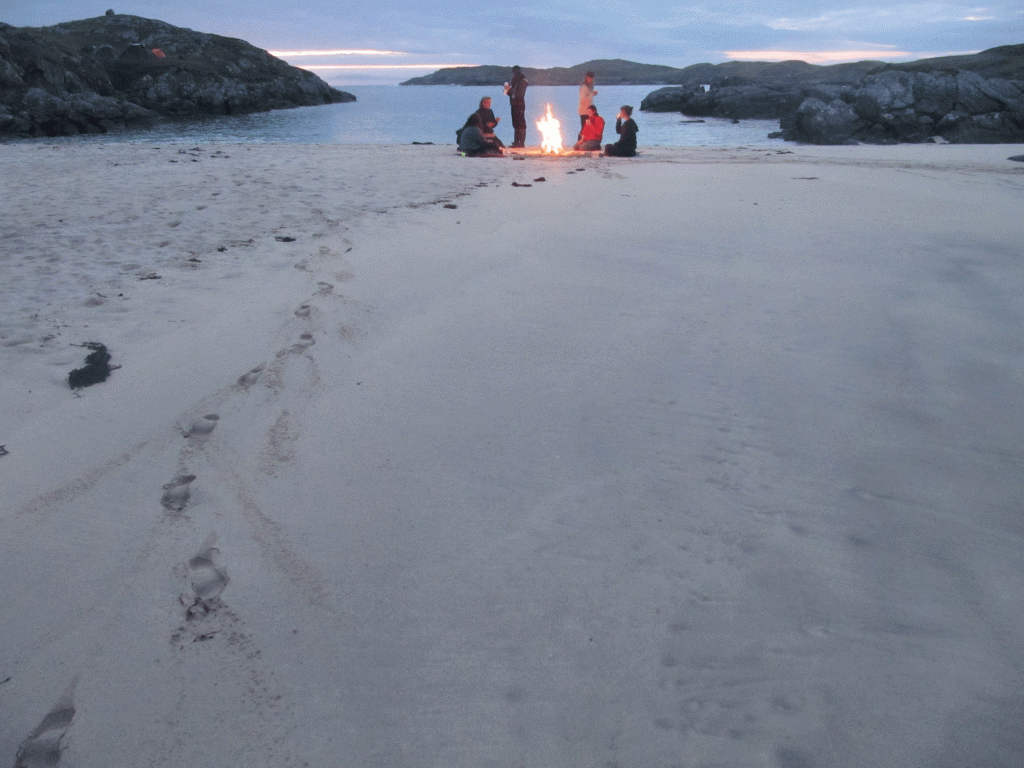
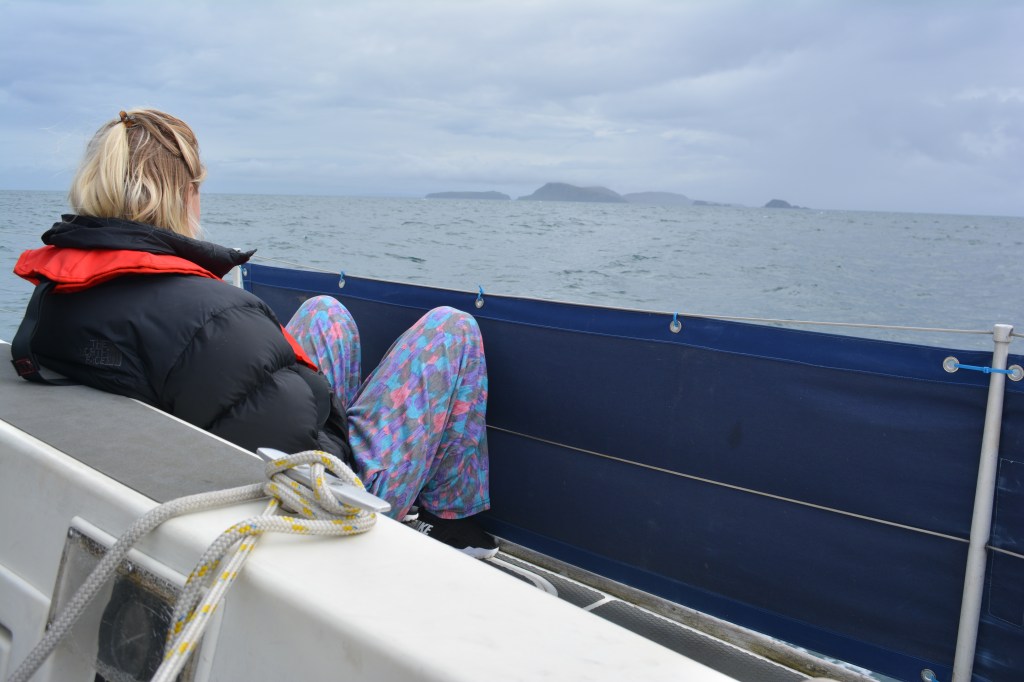
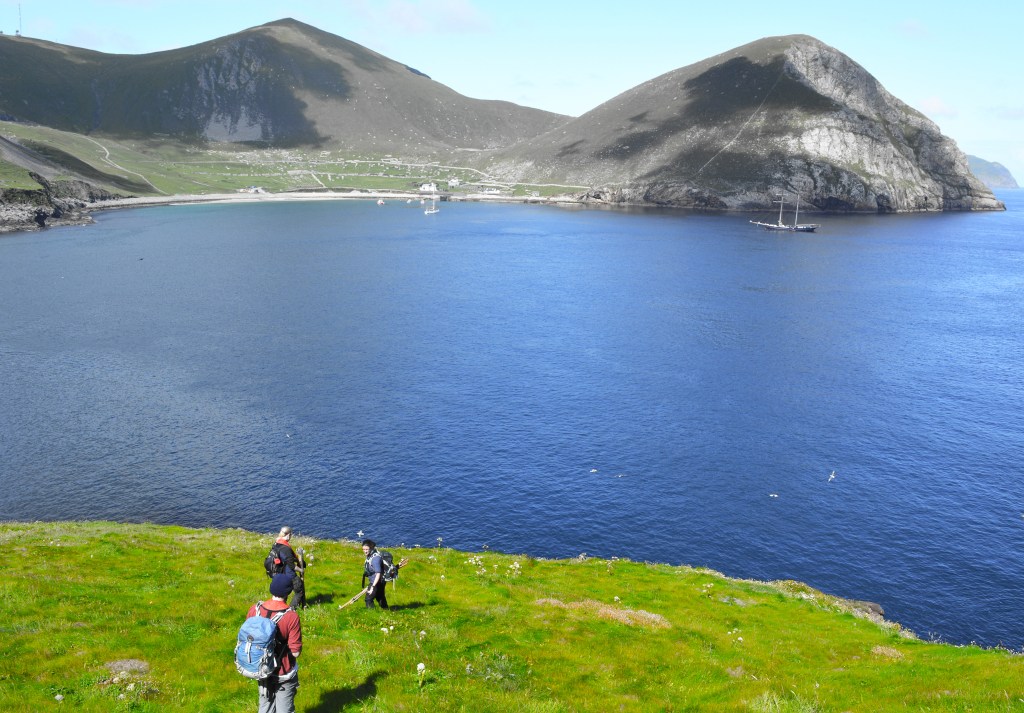
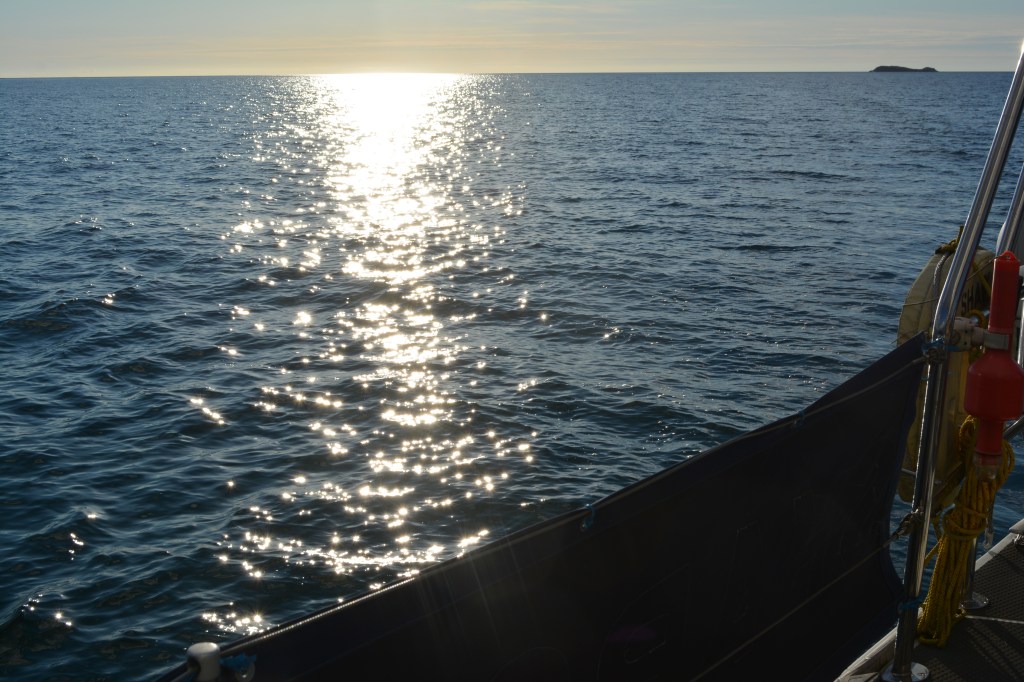
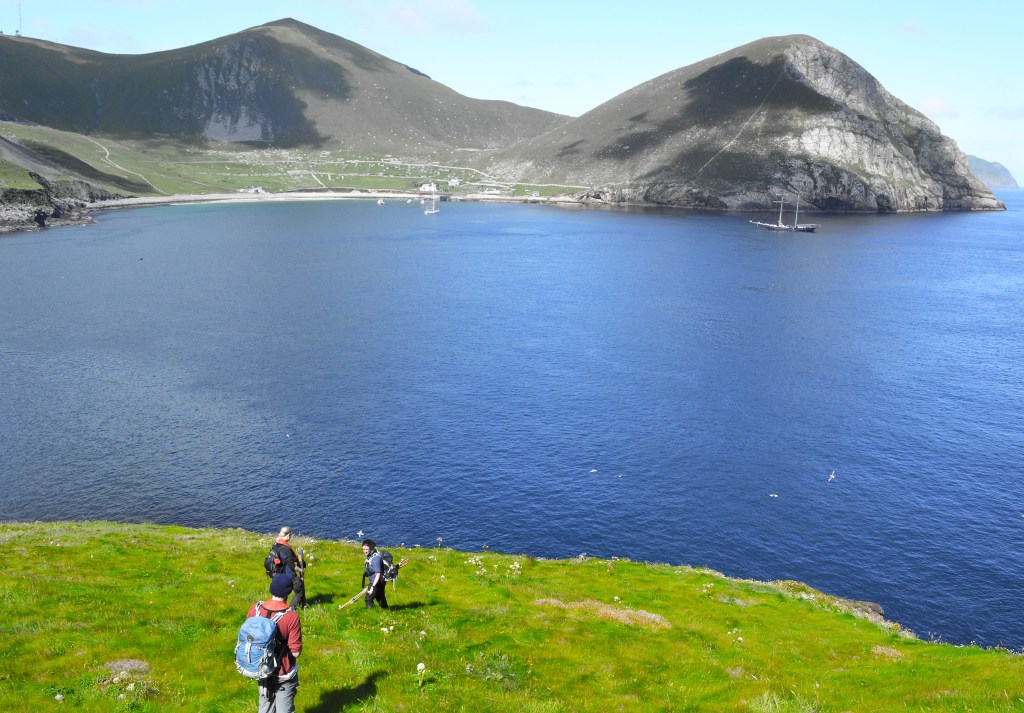
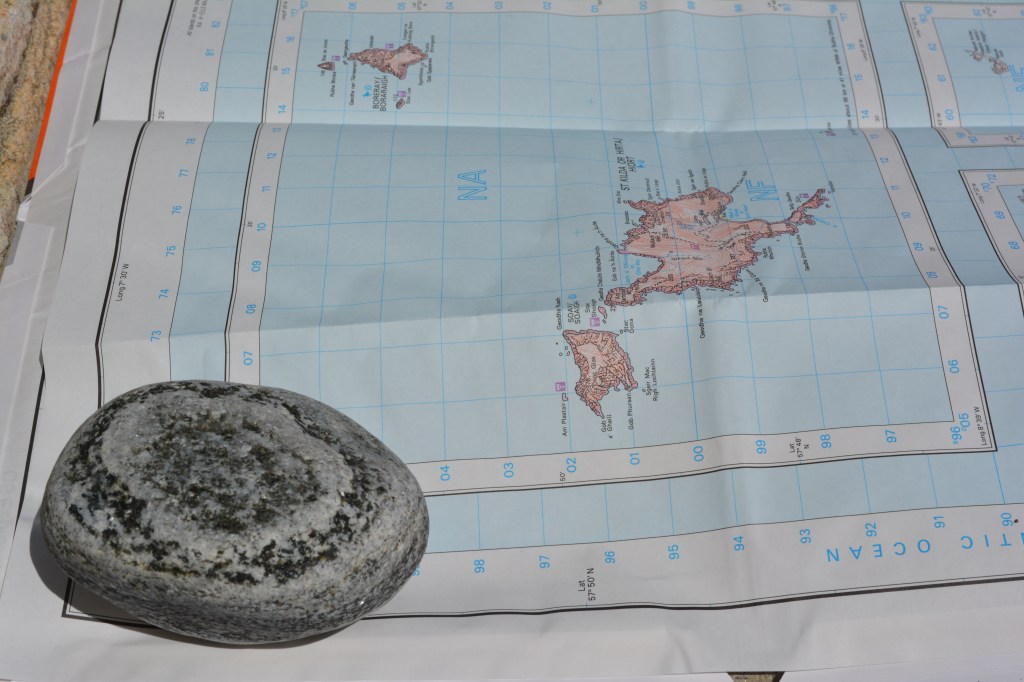
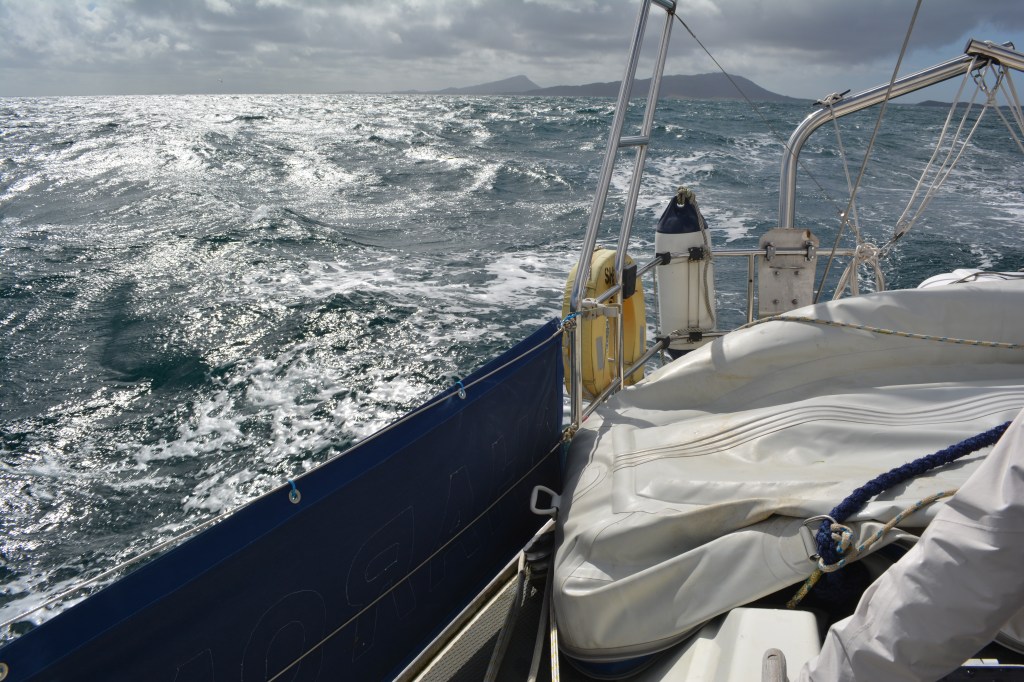
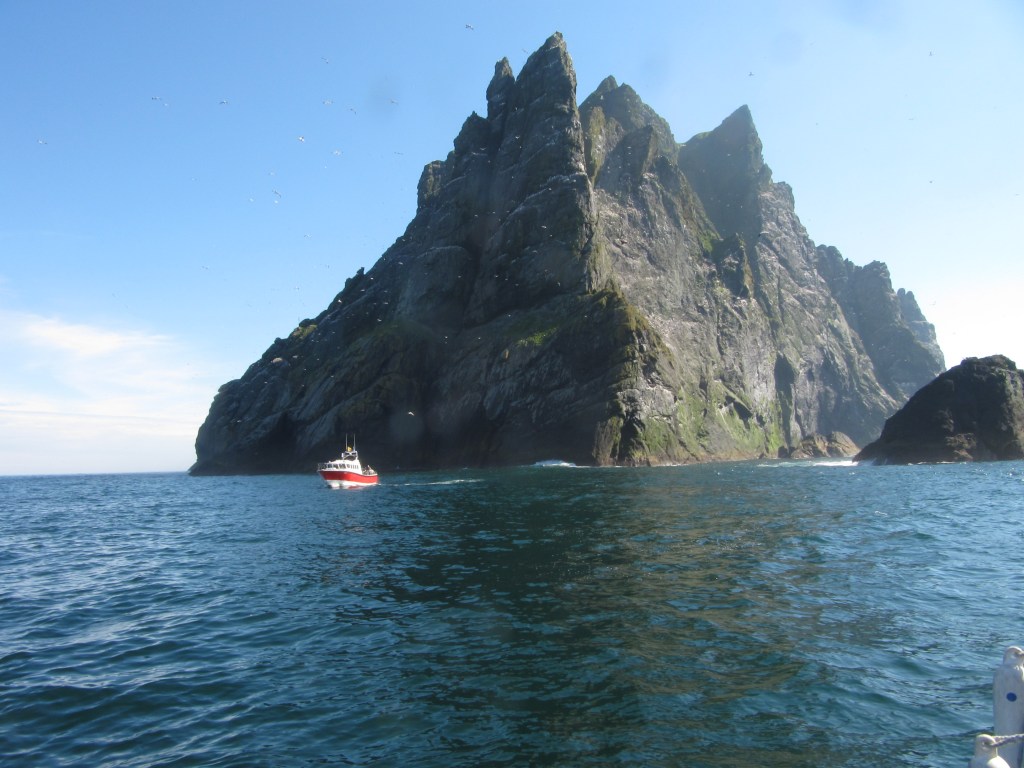
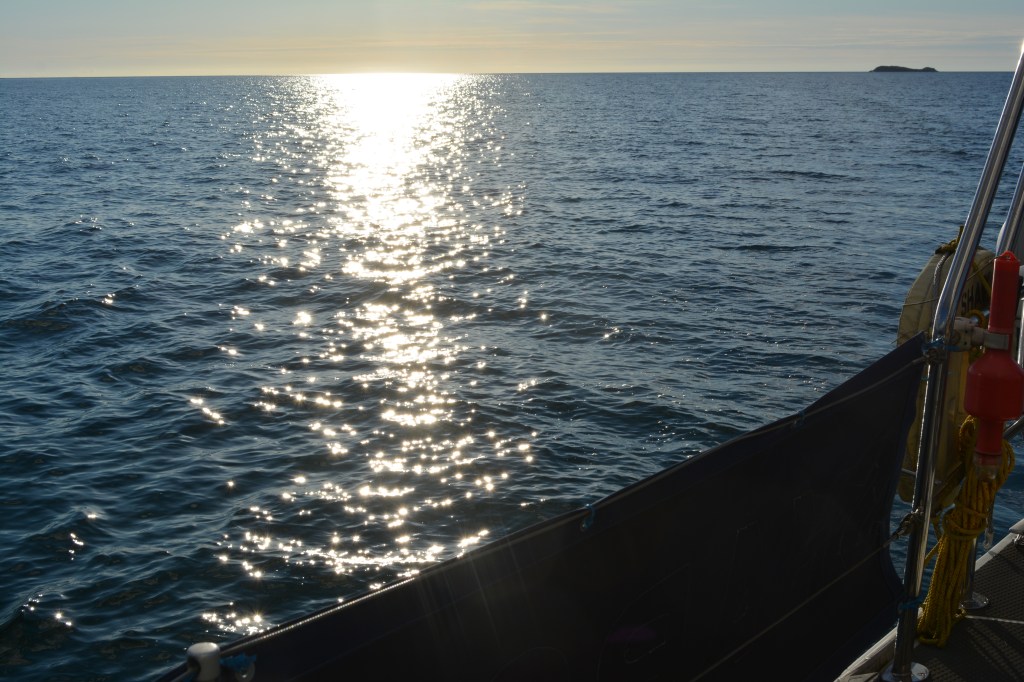
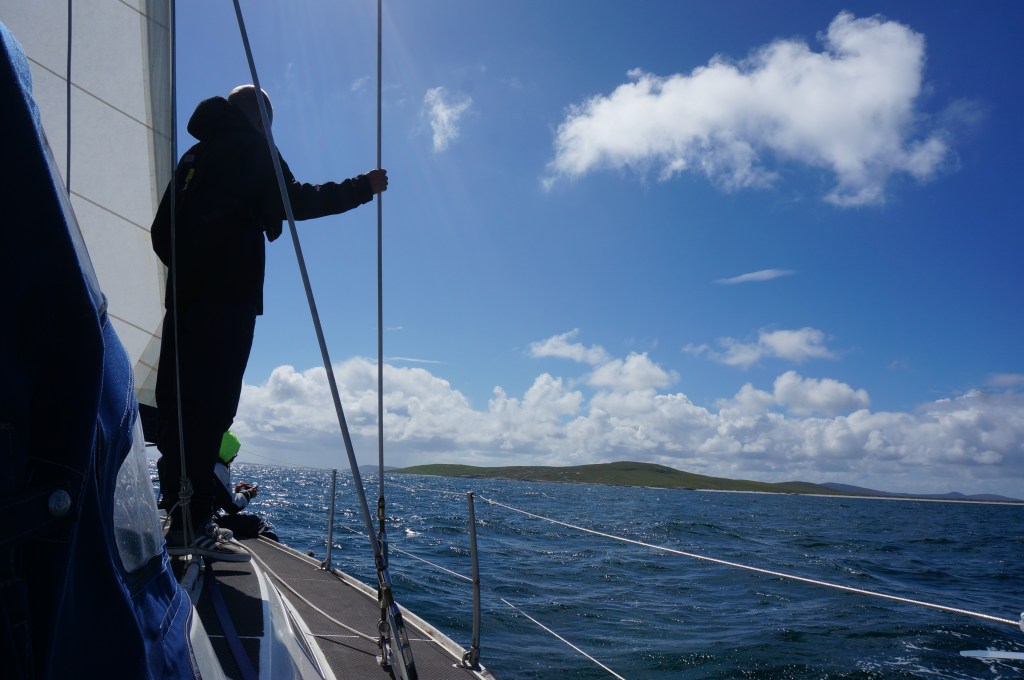
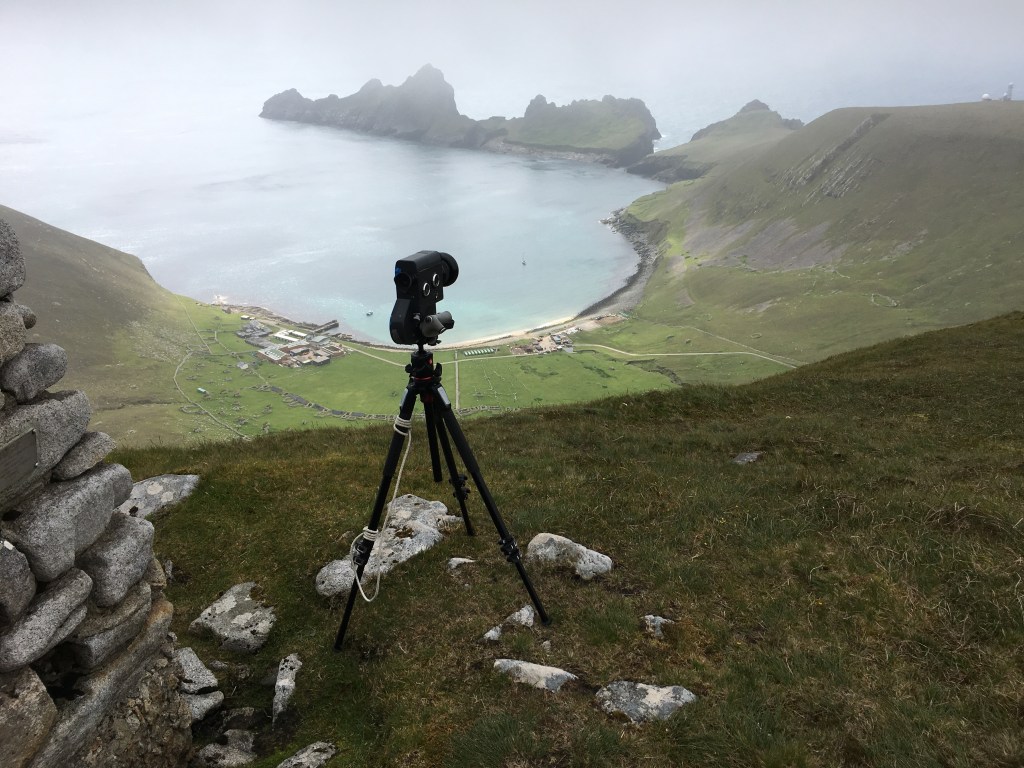
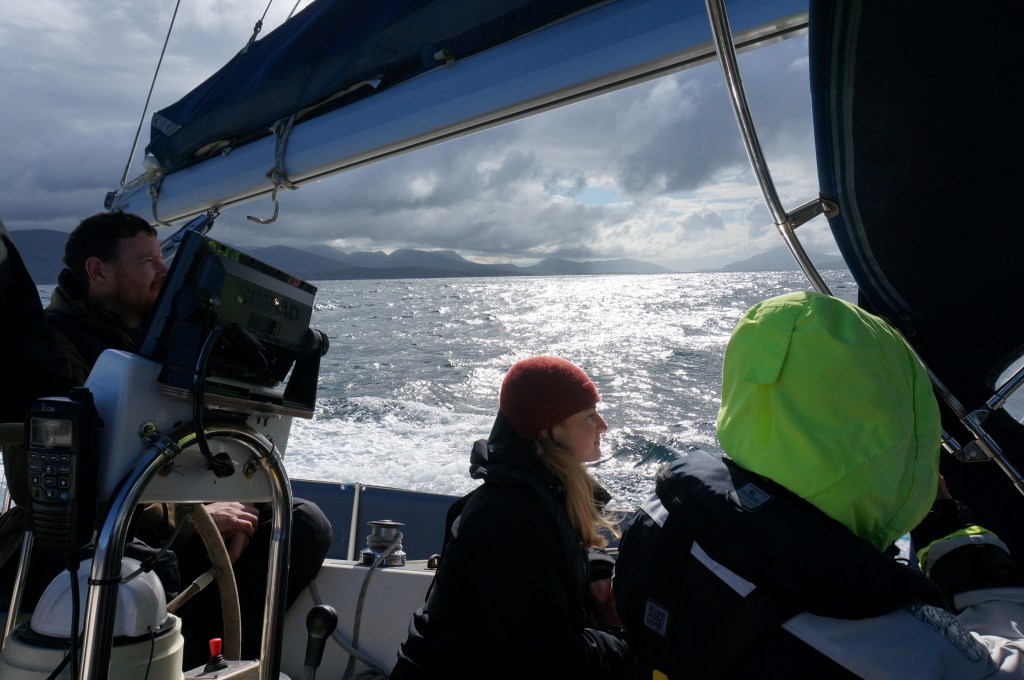
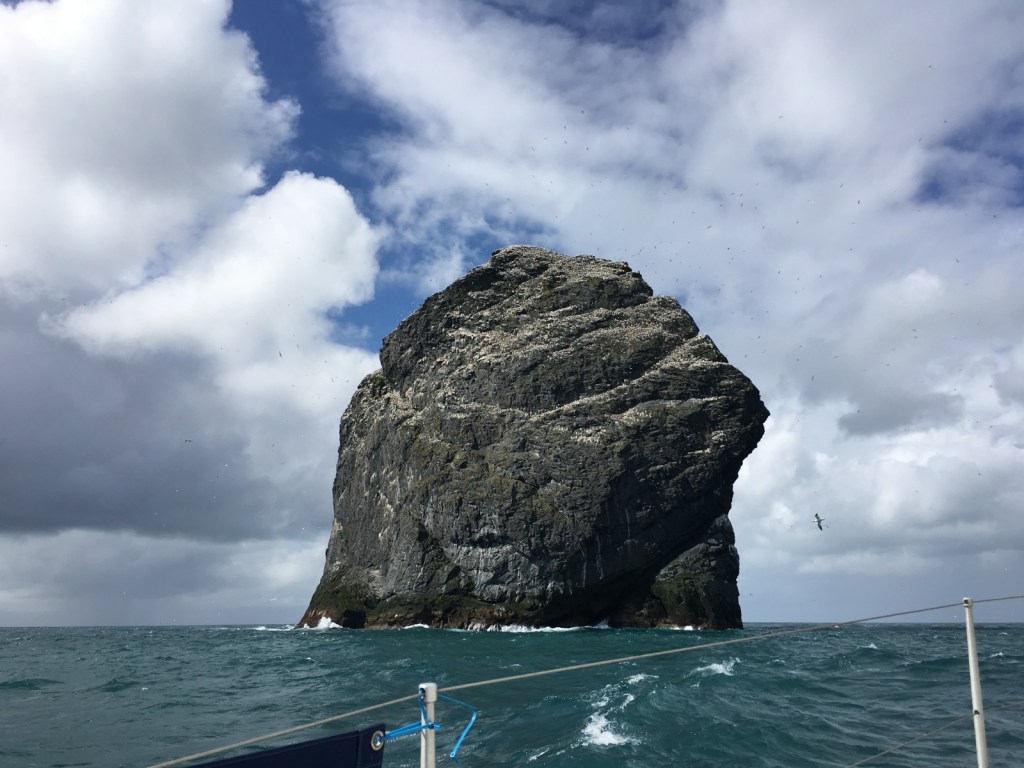
Ocean Guides took the participants on a memorable and hopefully inspiring sailing adventure from Berneray, Sound of Harris, St Kilda, Loch Resort and back in 6 days, where they then settled into John’s Bunkhouse for a further 4 days to recuperate, contemplate and consolidate their ideas / works.

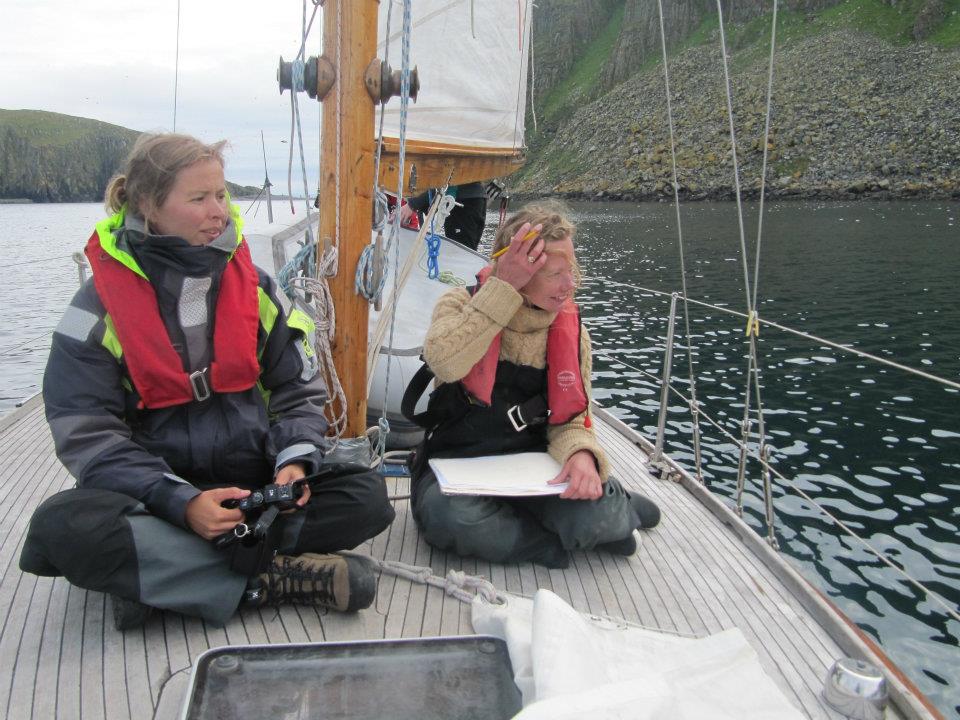
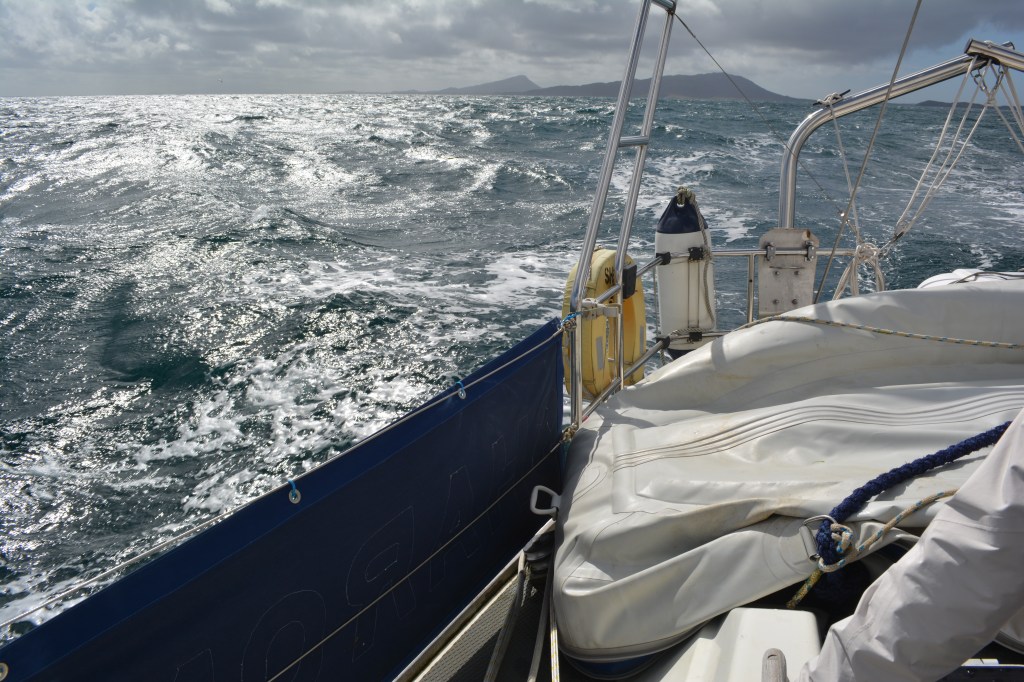
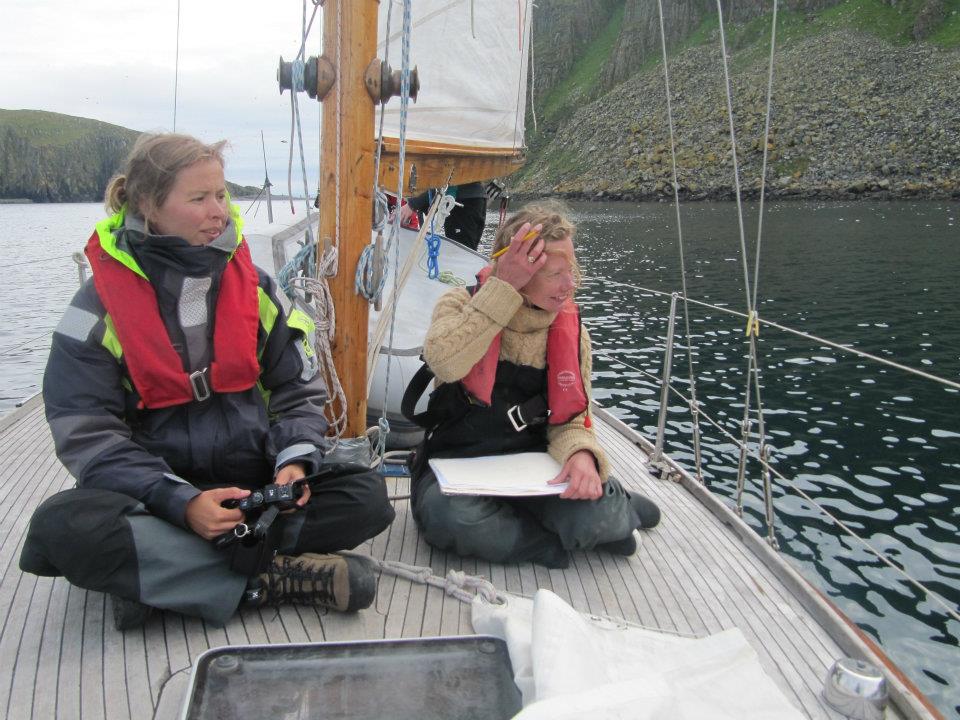
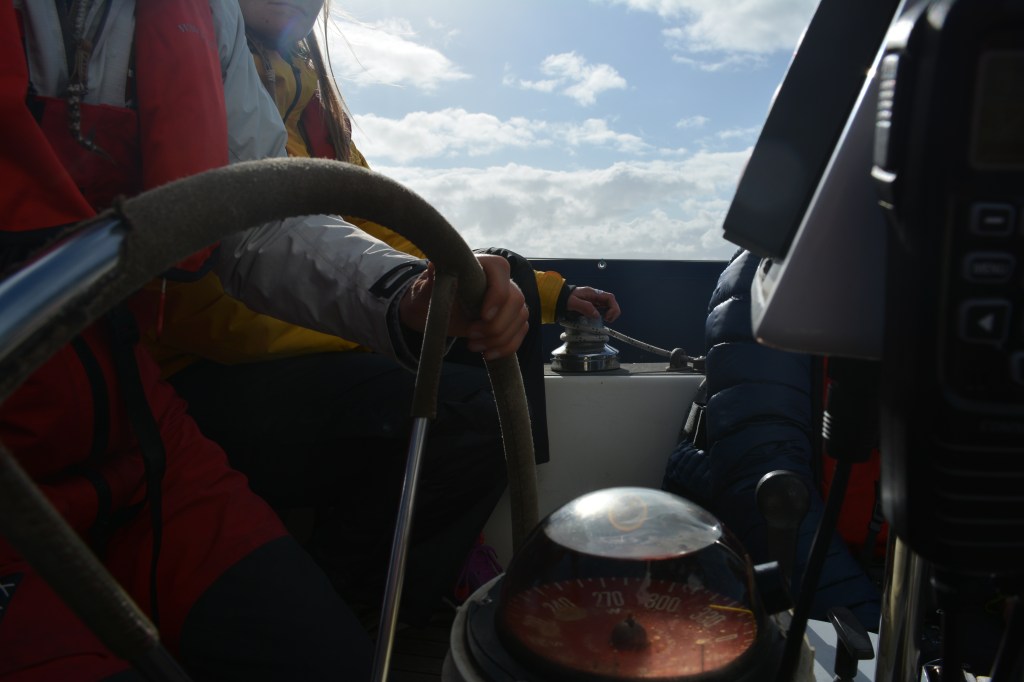
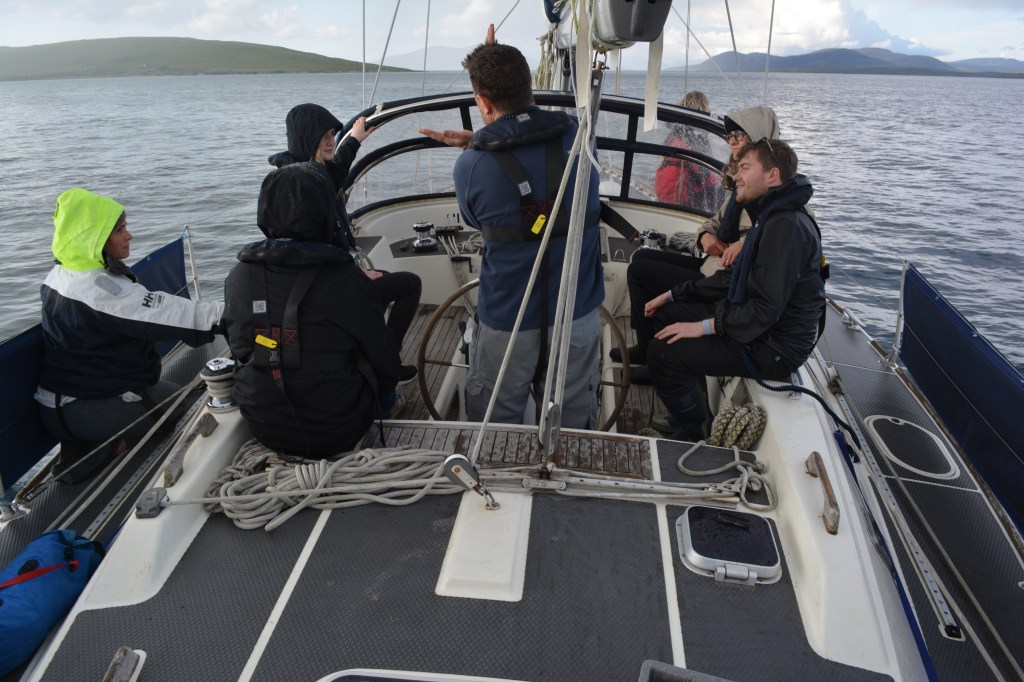
On the voyage, participants quickly learned the basics of running a sailing boat in varied weather conditions and successfully became a tight crew, gaining their sea-legs, while still pursuing artistic ambitions afloat and ashore. Ocean Guides was established to support these types of adventures and aside from the basics of running ‘the ship’ afloat and ashore, their professional expertise in marine science and arts underpins activities.

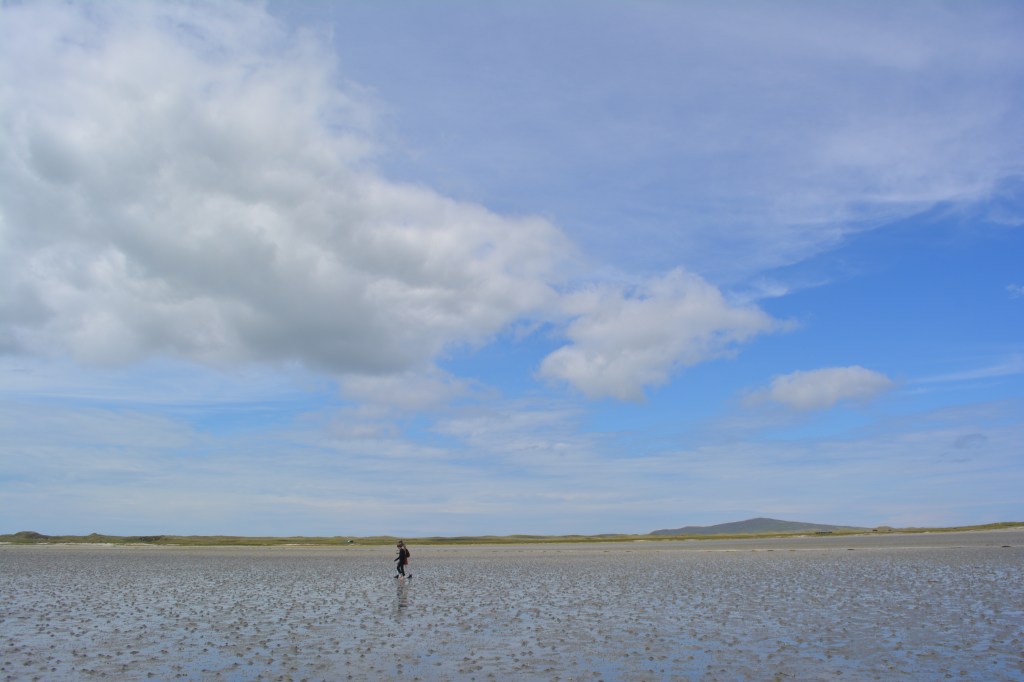
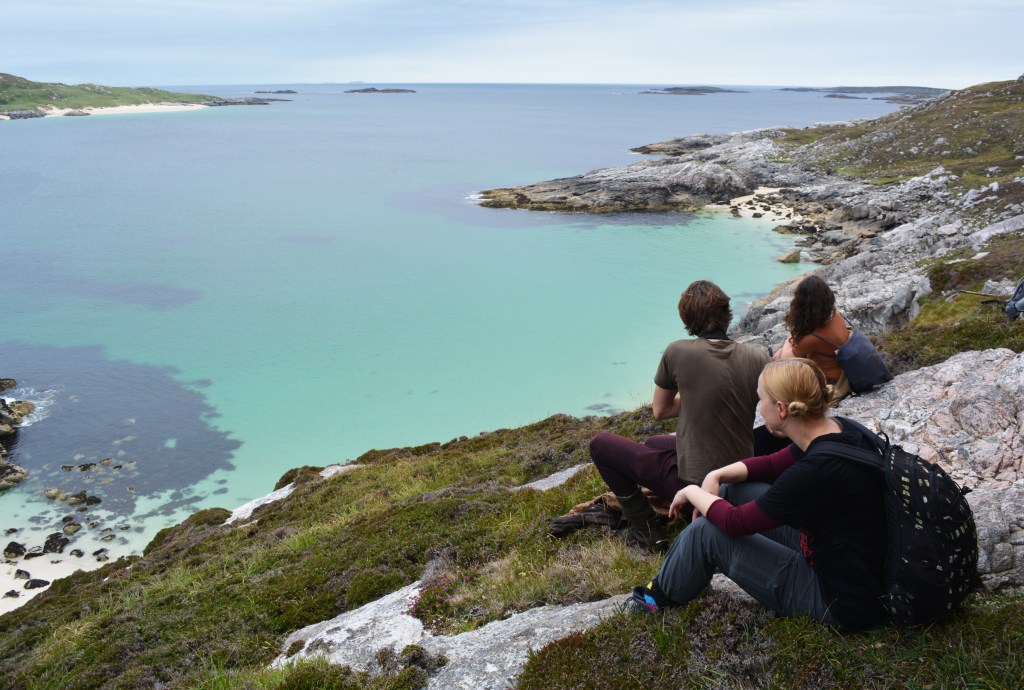
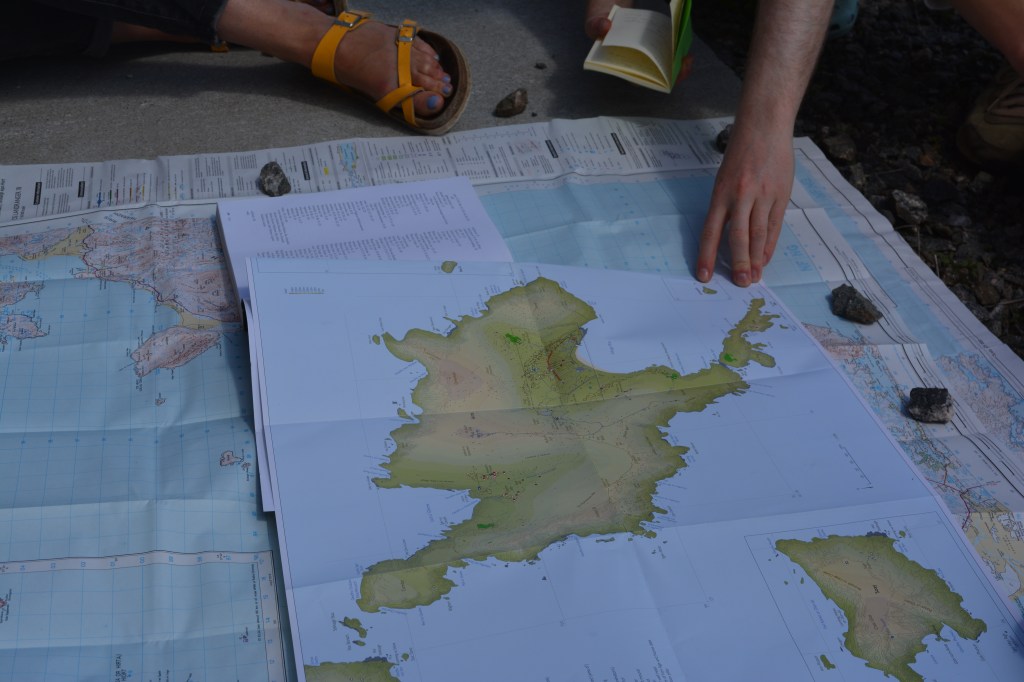
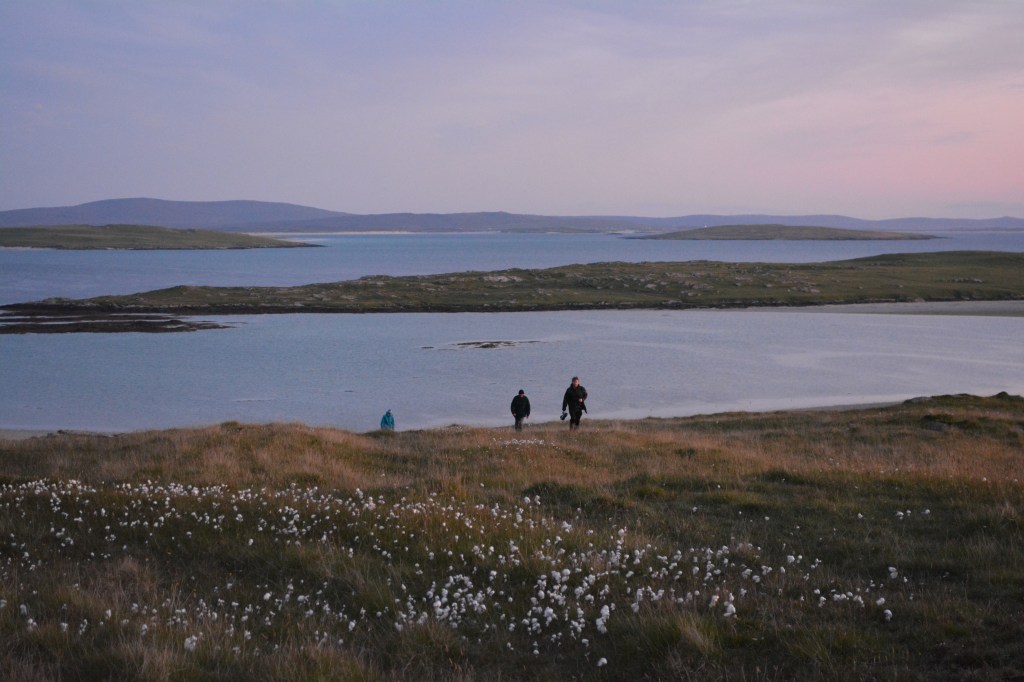
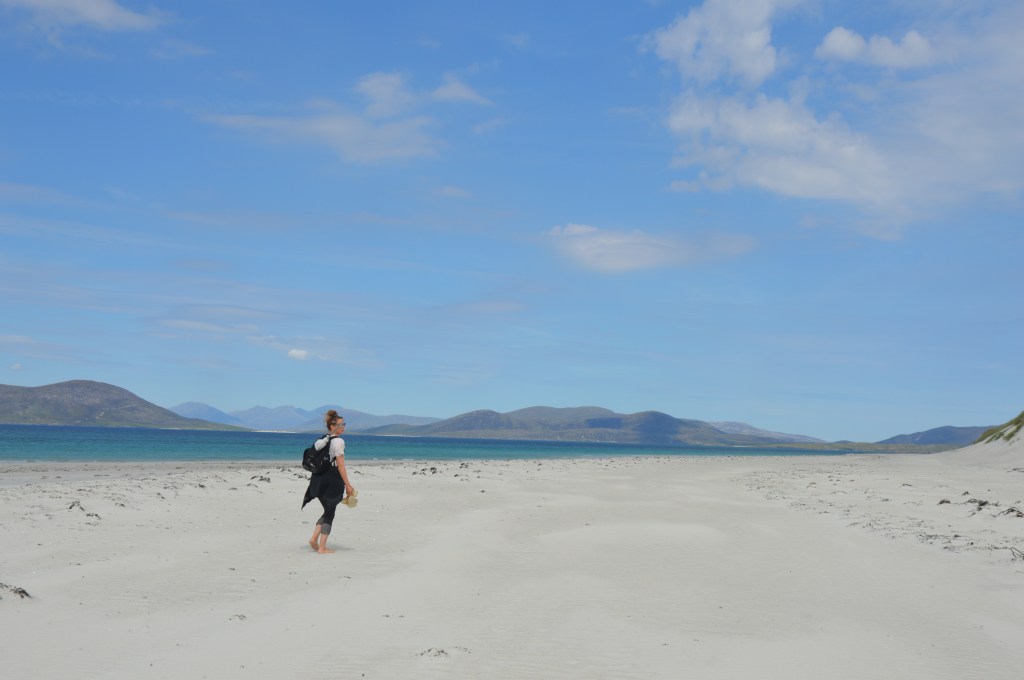
The success of Island Going 2019 was greatly enhanced by the commitment of participants. If not taking a watch, sleeping or eating, they were sketching, filming, talking big ideas, listening and recording ocean sounds, observing and filming the seabed or monitoring progress on charts. Ashore, the islands offered a rich and varied landscape to explore and interpret, where the historic and contemporary human activity interplayed with a resilient and dominant nature.

www.oceanguides.co.uk

Photos copyright © Meg Rodger , © Jon Macleod, © Dan Shay, © Beatrice Lopez

An exhibition based on the residency will take place in several venues in early summer 2020


The residency was sponsored by Downpour Gin

https://northuistdistillery.com

https://johnsbunkhouse.com/

Design a site like this with WordPress.com
Get started