https://www.saoirsehiggins.org/art-projects/ways-of-dispersal
This Climate Beacon residency continues an exploration and ‘looking out to’ what is in the ocean from an islander viewpoint- a ‘terrestrial Jacque Cousteau’ angle of vision. I am concerned about the macro scale and complexity of the seas changing ecosystem and how we as artists, designers, scientists, policy makers and community collectively try and understand and attempt to deal with the enormous situation we are faced with now for the future. I am interested in invasion and protection in the context of survival and climate change – ‘getting places’ on the back of objects and species. Nowhere is too remote to encounter objects and species rafting and floating in from far away places, collecting time as they travel on the air and ocean currents.
Many scientists are researching this idea of new invasive ocean raft species, or ‘neopelagic communities’ being introduced to new coasts via marine plastics and natural material objects such as logs and wood. According to David Barnes, marine benthic ecologist at the British Antarctic Survey, rafting increases ‘extinction risk while reducing biodiversity, ecosystem function and resilience’. In 2018, Barnes referred to this marine ecosystem as the ‘plastisphere’. – Russell Thomas, 2021, Seascape: the state of our oceans, The Guardian, <https://www.theguardian.com/environment/2021/jun/14/plastic-rafting-the-invasive-species-hitching-a-ride-on-ocean-litter >
The topic of invasive species arriving on islands has long been a common island phenomenon with well known researchers such as naturalist Robert Lloyd Praeger with the Clare Island Survey in the early 1900s, and scientists on Icelandic Surtsey island born from an undersea volcano from 14 November 1963, measuring and surveying newly arrived species via air, sea.
For this residency I began thinking about, exploring and contrasting human and non-human objects, and species that ‘raft’ in and out above, below, and on the surface of the sea from far away, landing on present and future shores of islands. I made three expeditions to Lewis one in May, another in July and again in October 2022. I used the time to research and explore the coastline, staying at Grinneabhat hostel as my base HQ – a beautifully converted old school house in the town of Bragar. I was warmly welcomed by residency curator and artist Jon MacLeod, hostel manager Tina MacPhail and community officer Murdo Morrison. I also received an energetic community embrace by the Bragar locals who visit the gallery and café – a central hub for local cultural events and activities.
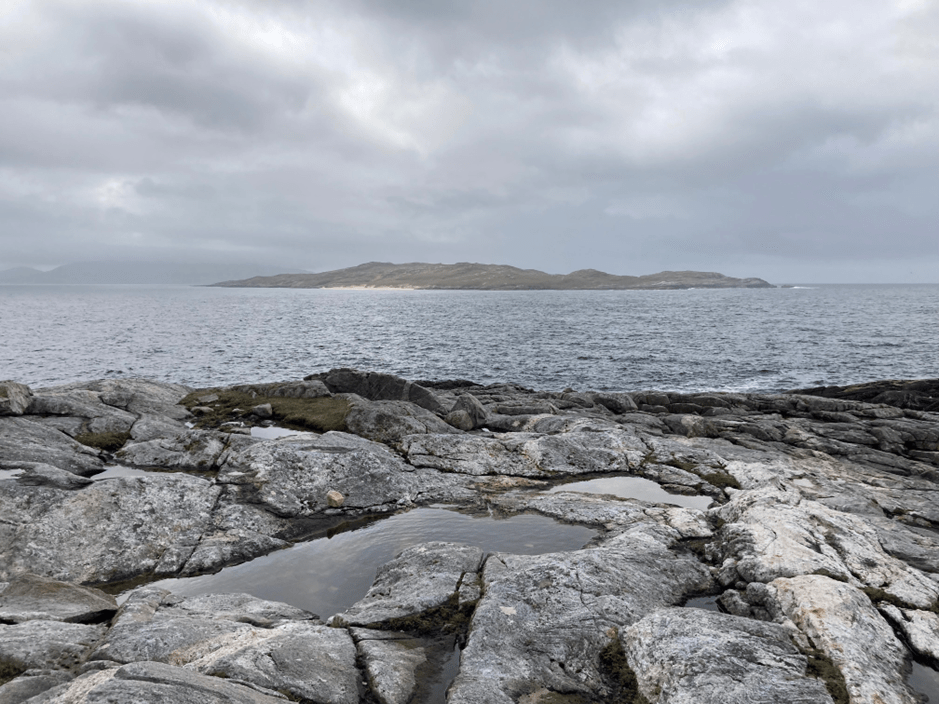
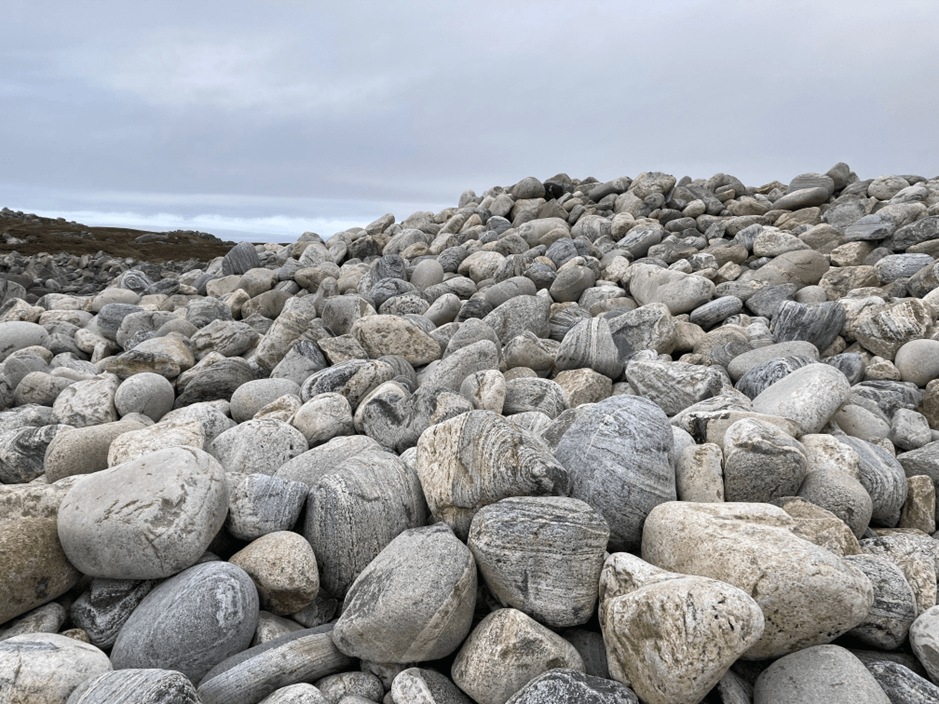
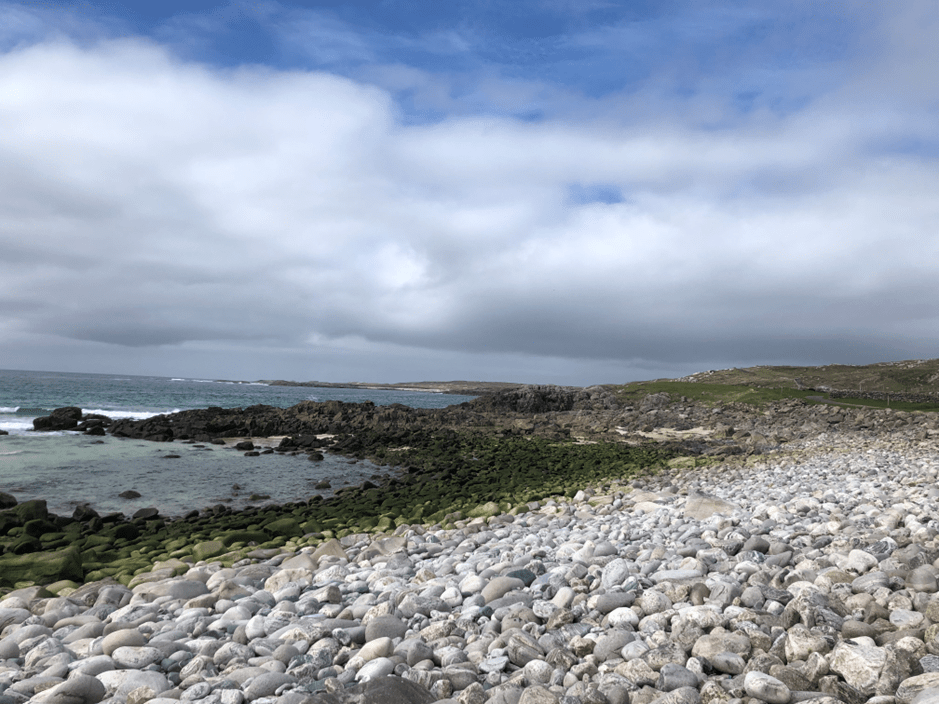
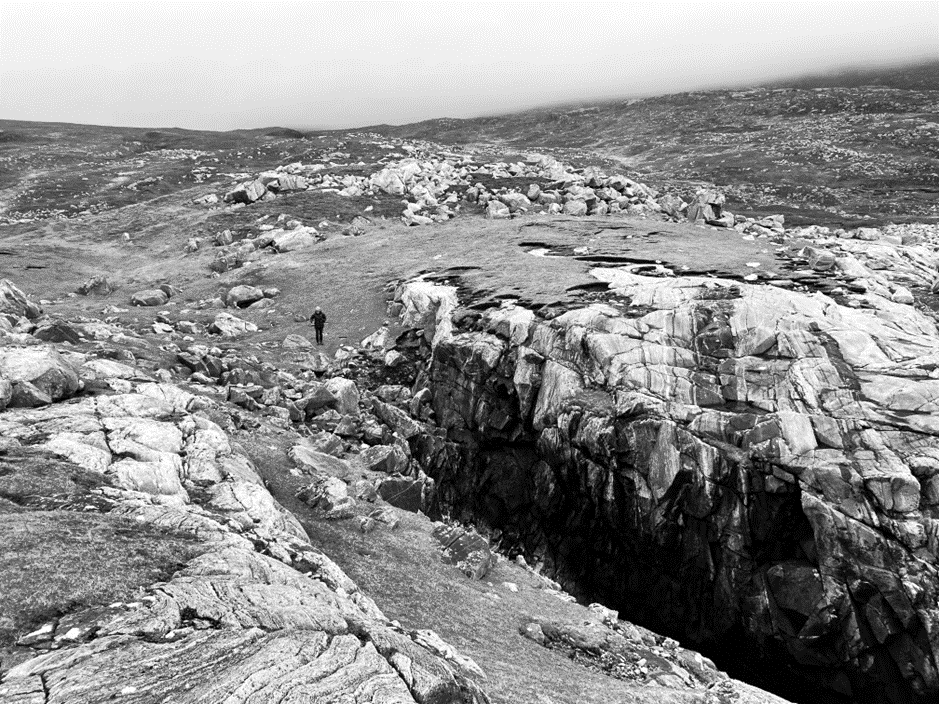
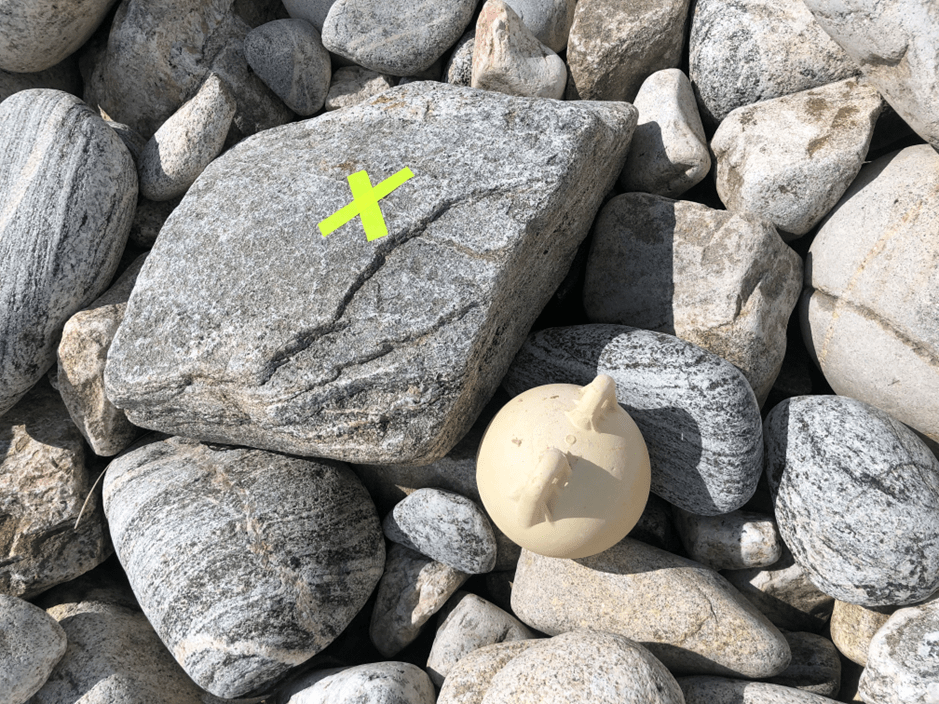
From there I ventured out to the island edges and followed the path of a glacial valley towards Mealasta and on to Camas Chala Moil with its giant glacial erratic rocks flung towards it along the coastal landscape. I examined and measured objects through a day long performance climbing over and across the large rounded rocks at the shoreline of Camas Chala Moil, documenting the marking and positioning process with drone filming, time lapse and video. I collected images and 3D scanned illustrations mapping out ‘drift constellations’ on the shoreline, imagining them as star constellations arranged on and under the stoney edge of the sea and land. From this I performed a similar constellation mapping exercise at Herti’s Geo on Papa Westray in Orkney. I then created two live experiments in the seas off Lewis and another off the coast of Papay.
As part of my research I had been reading with interest about a forensic biologist researcher called Dr. Paola Magni at Murdoch University, Perth Australia that has studied the growth of goose barnacles on various submerged test materials in relation to court case defenses. She is looking at the growth as in indicator of time stamping a human body in the water. Together with oceanographer Jennifer Verduin and undergraduate student Elysia Tingey, she investigated barnacle colonization on various fabrics, such as satin, velvet, cotton, and neoprene, used in wetsuits. The researchers found that it takes around 28 days for larval barnacles to attach to neoprene—the fastest colonization rate of the fabrics tested. This depends on many factors of the sea temperature, tides, currents and salinity. – Ivy Shih, 2019, Barnacles Are a Clock for the Dead, Hakaimagazine, <https://hakaimagazine.com/news/barnacles-are-a-clock-for-the-dead/ >
Apart from the slightly morbid context, I was curious and interested in the idea of growing and attracting species on a raft in the ocean and seeing what, if anything, happened. Also the connection with human beings wrapped up and implicated physically in the whole issue of plastic and human object waste. I purchased two neoprene wetsuits and inserted a wooden body shaped template inside each of them to keep the bulk of the form stiff. I attached a recycled buoy and an anchor to each. I then consulted local Lewis fisherman Donald MacLeod to set up and deploy ‘Raft1’ experiment in the waters off Lewis at Strome-meaning tidal flow. The experiment needed to be somewhere that would not be disturbed or get blown away and have enough seawater movement to promote growth and/or creatures. Donald used an old rope he had lying about and expertly knotted this onto a large rock as an anchor and connected this to the wetsuit. This was thrown overboard at Strome at exact position 58°10’40.4” N, 6°52’44.4” W. The wetsuit sat flat on the water’s surface with the bright orange buoy announcing its presence and the anchor sank to the bottom as planned.
I consulted local Papay fisherman Douglas Hourston for a suitable sized buoy for the sea conditions, a weighted anchor that would hold the Raft in position and a secure tethered rope between the two. I placed the second experiment- ‘Raft 2’ – off the coast in the waters near the Holm of Papay. Exact anchored location – 59° 20’911N, 2°52’21.4″ W.
I left the Lewis experiment in the water for 3 months just before the winter set in, with the Papay experiment still ongoing at just over 6 months. The Lewis neoprene produced some rafting species mainly small brittle starfish and tiny crabs hiding in the material. The Papay experiment we shall see how it goes after winter if it survives the storms! Since setting up the experiments I discovered project called ‘Plate Watch’ monitoring for non-native marine invertebrates along the U.S. West Coast, with a primary focus on Alaska. It encourages citizens to place clean PVC squares off piers and coasts in the water to test and grow species from 3- 5 months. They then get analysed and recorded, collecting data on invasive species. The citizen science instructions and process is documented on their Platewatch website and co-ordinated by the Smithsonian Environmental Research Centre.
Next steps in the project is to connect this research with work I am doing this year on Icelandic glaciers time and scale, retreating and advancing, ebbing and flowing, in collaboration with Icelandic glaciologist Oddur Sigurdsson.
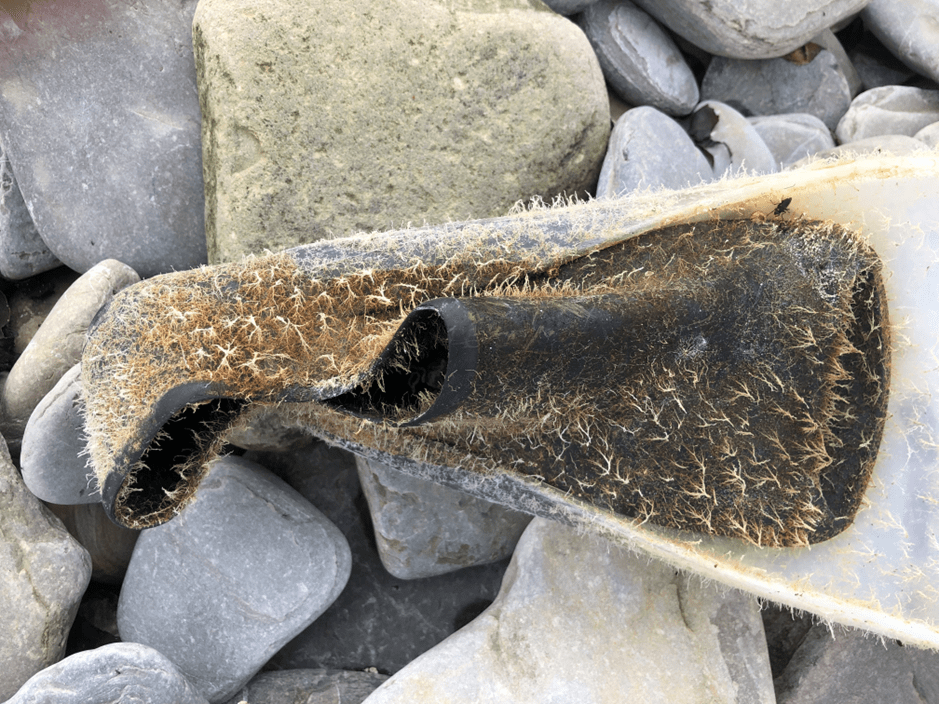
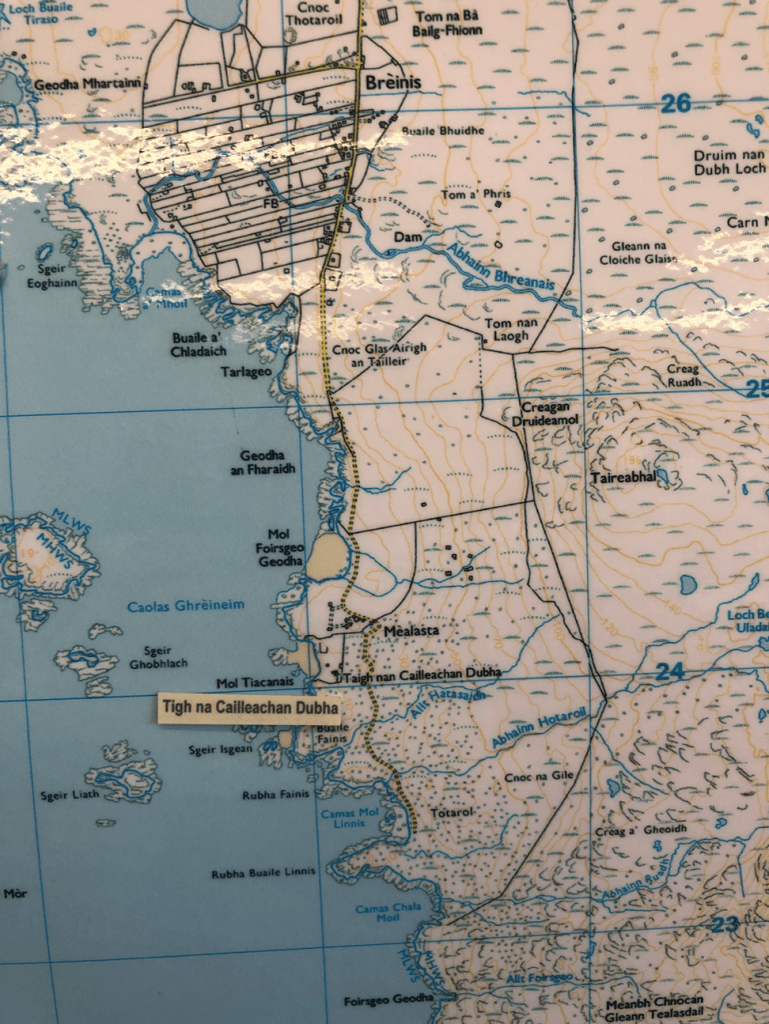
Camas Chala Moil, Isle of Lewis
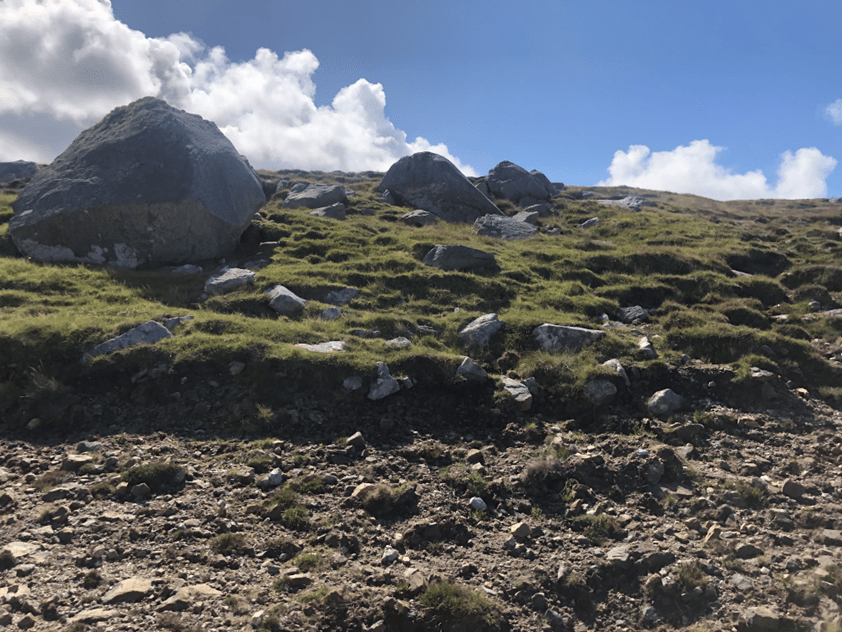
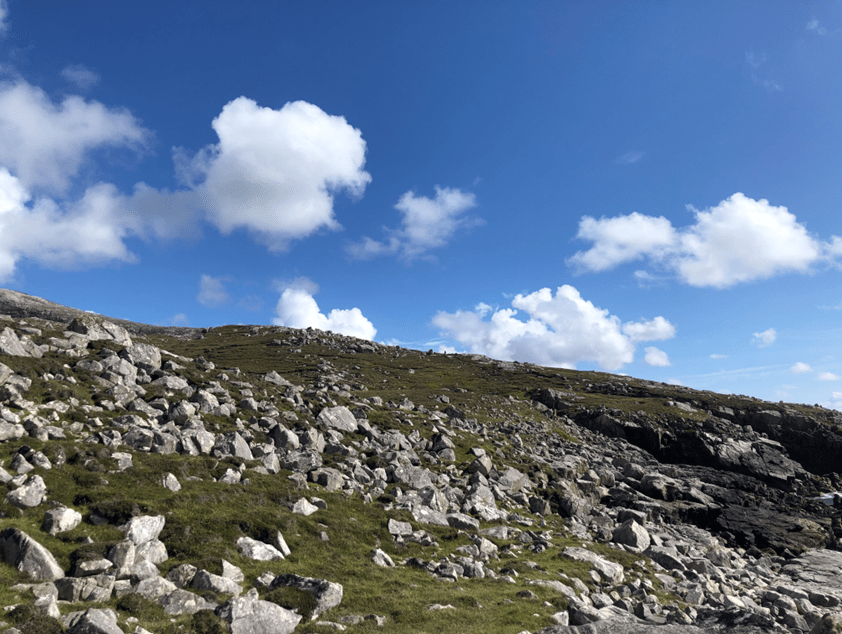
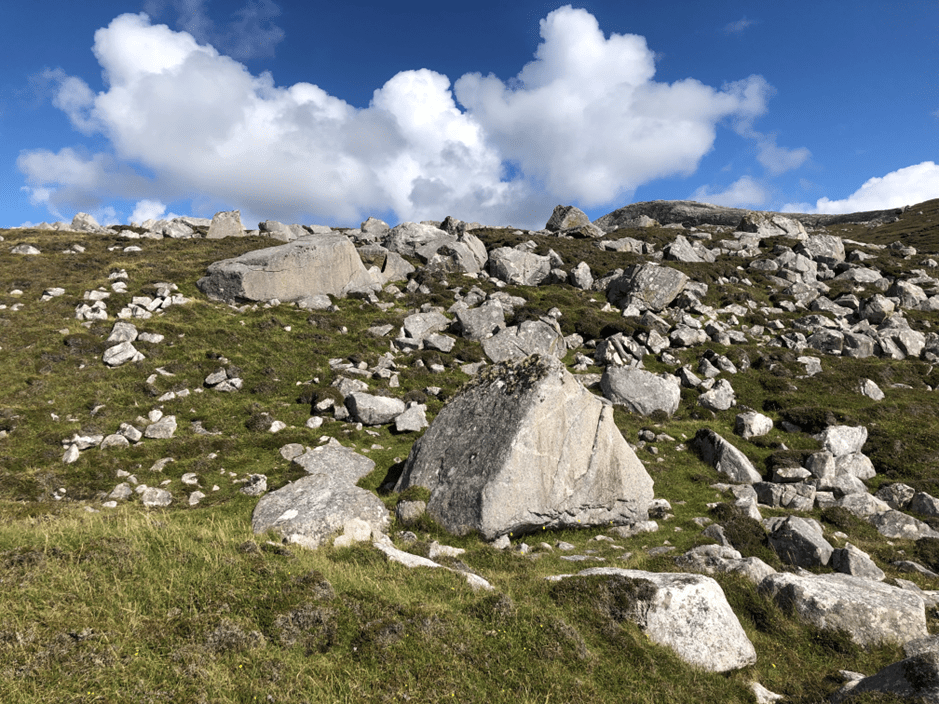
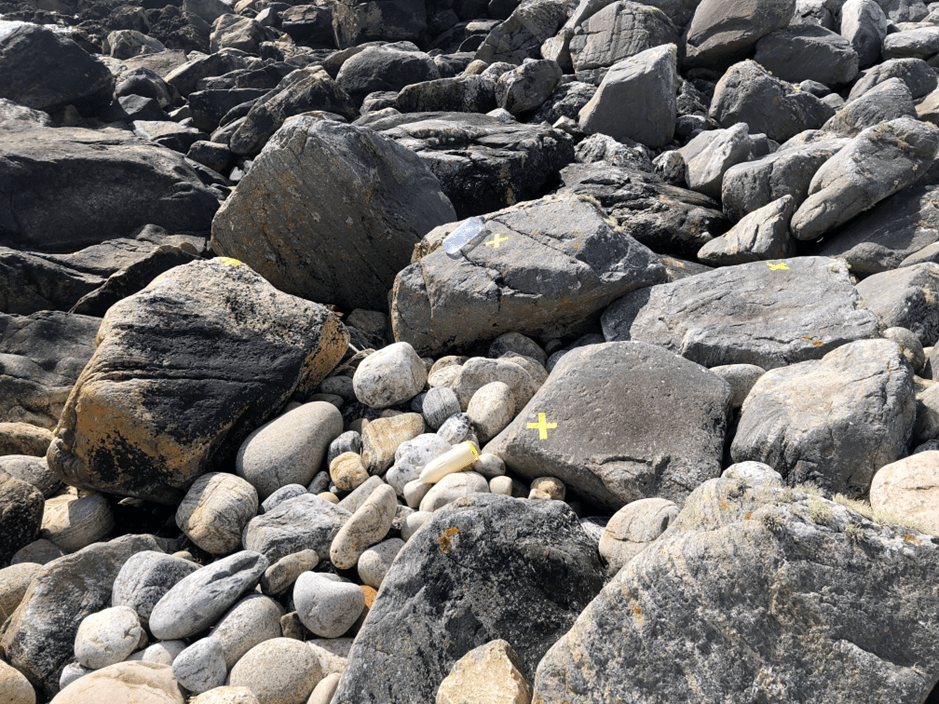
drift constellations, Lewis
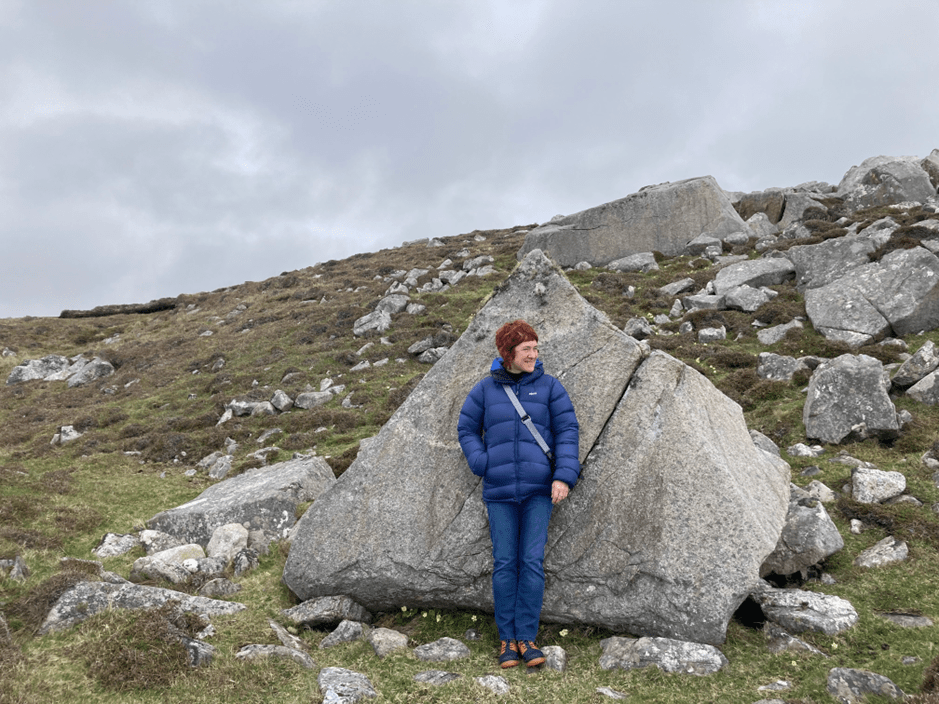
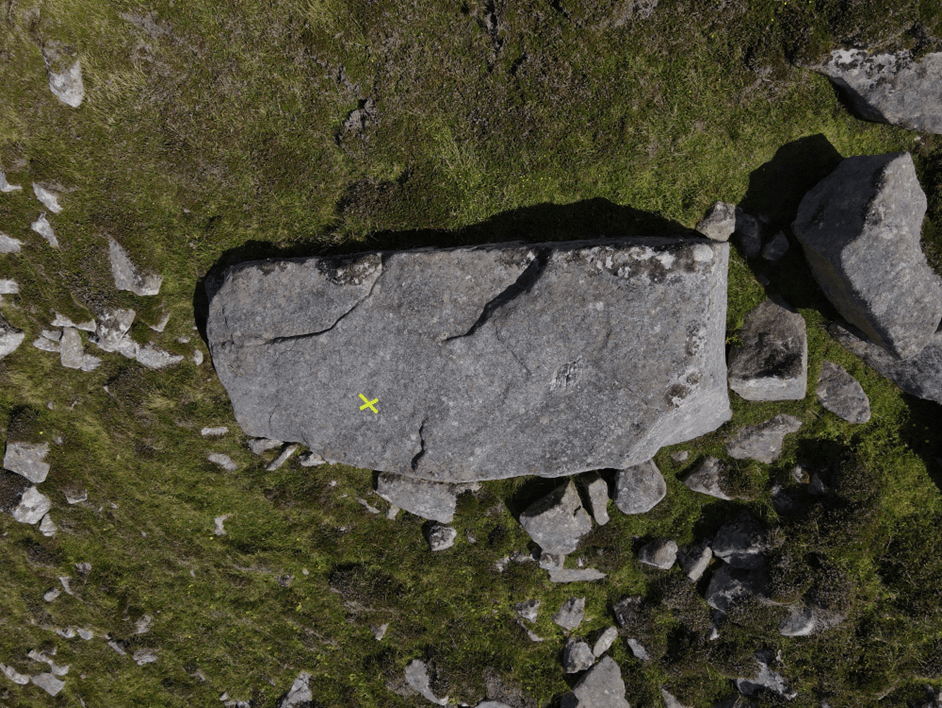
Drift constellations, glacial erratic.
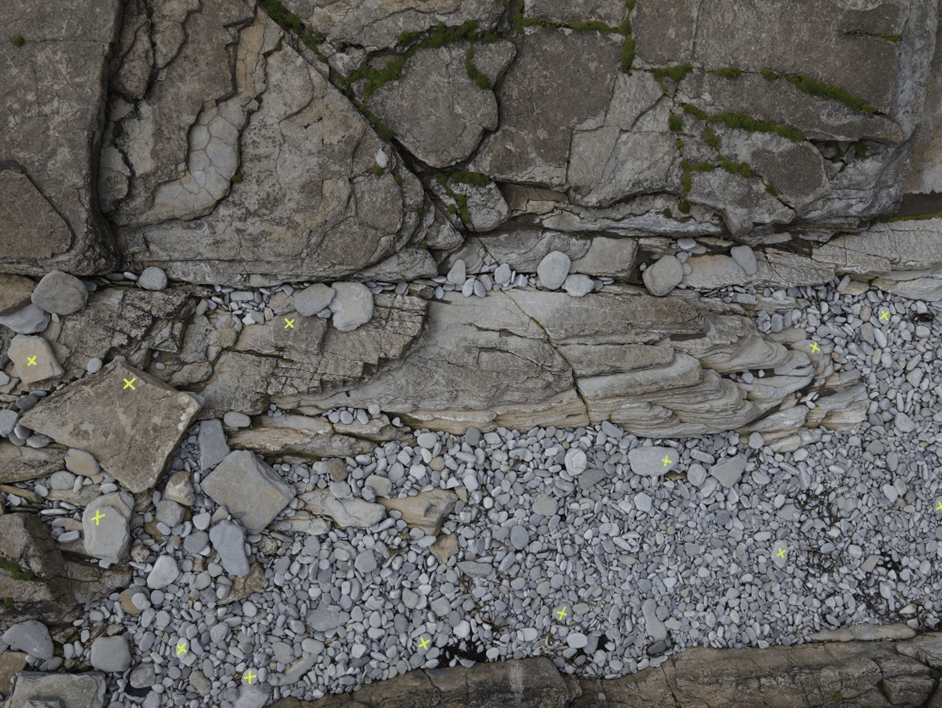
Drift constellations, Herti’s Geo, Papa Westray
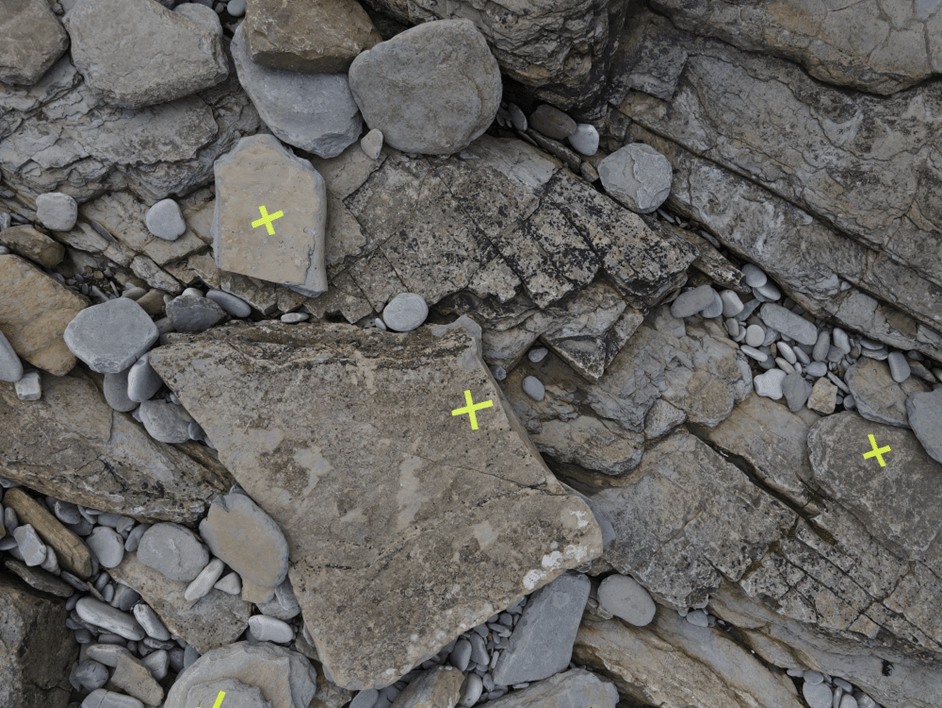
Drift constellations, Herti’s Geo, Papa Westray
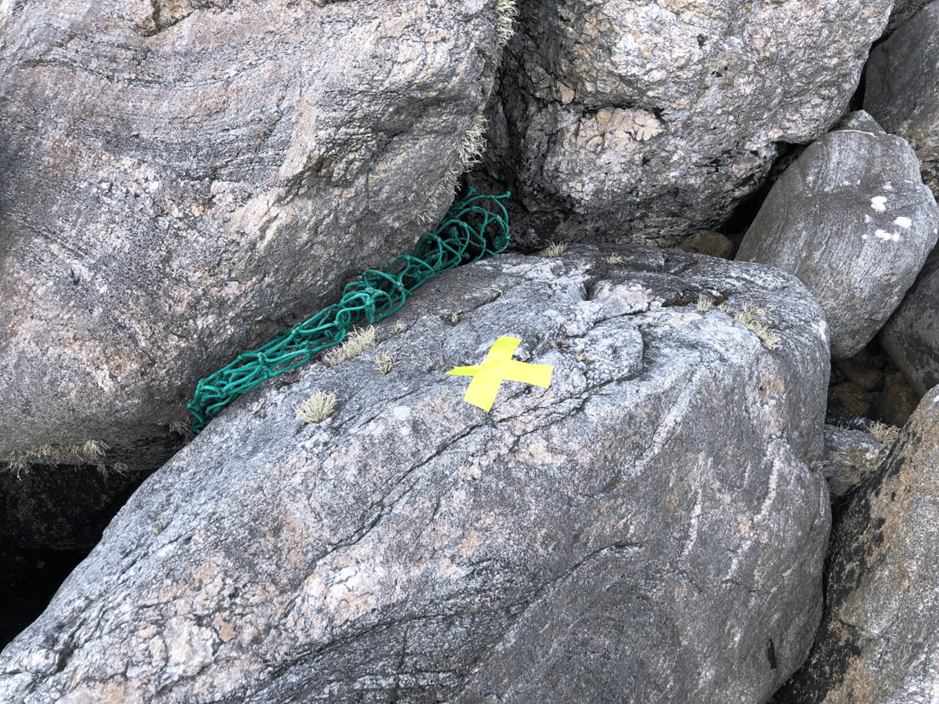
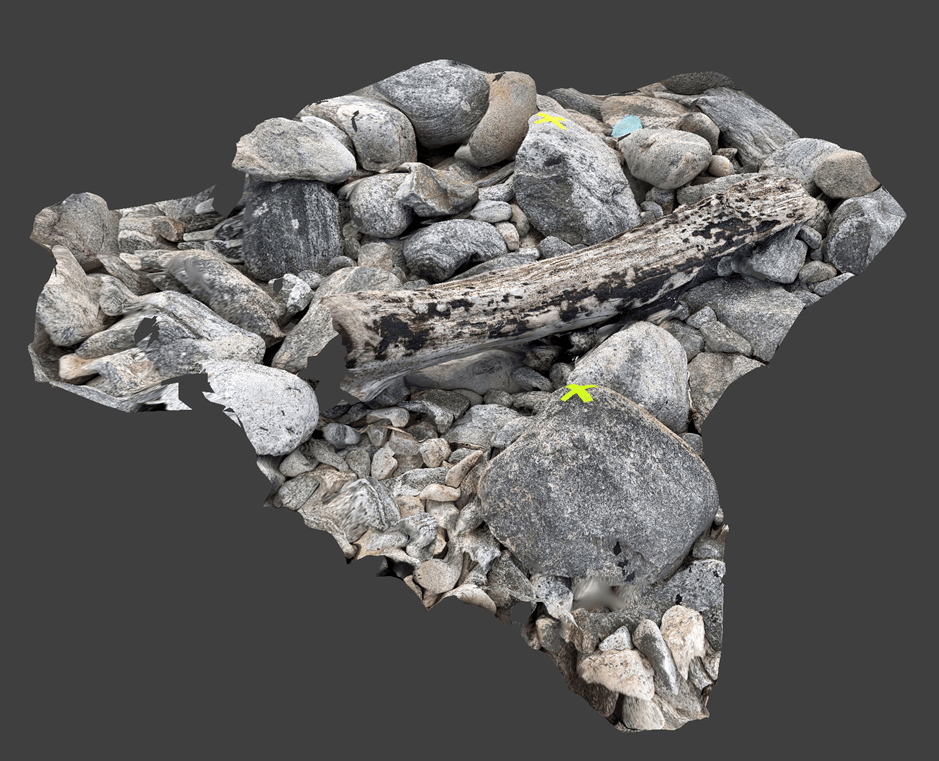
3D scanned rocks and washed up log, Lewis.
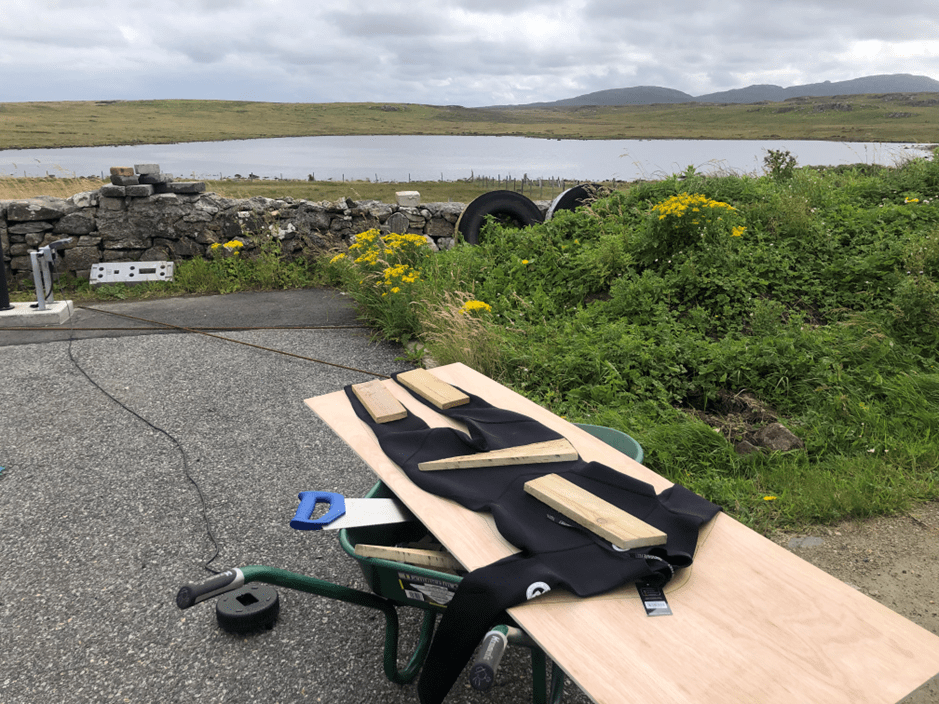
Making a wooden template for Raft1, Grinneabhat, Bragar.
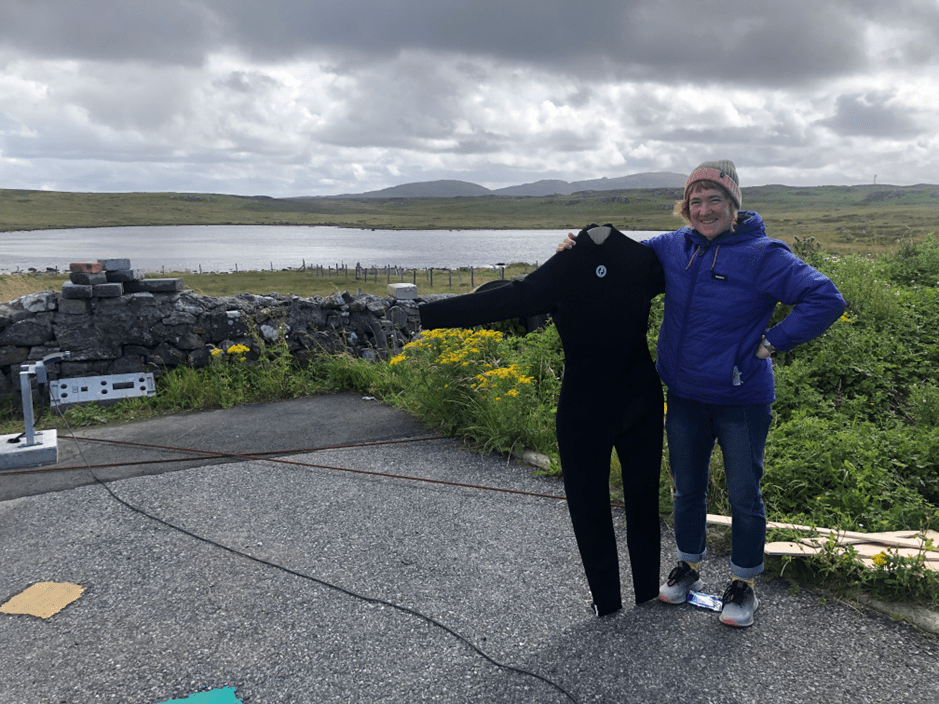
artist with wetsuit Raft 1, Grinneabhat, Bragar.
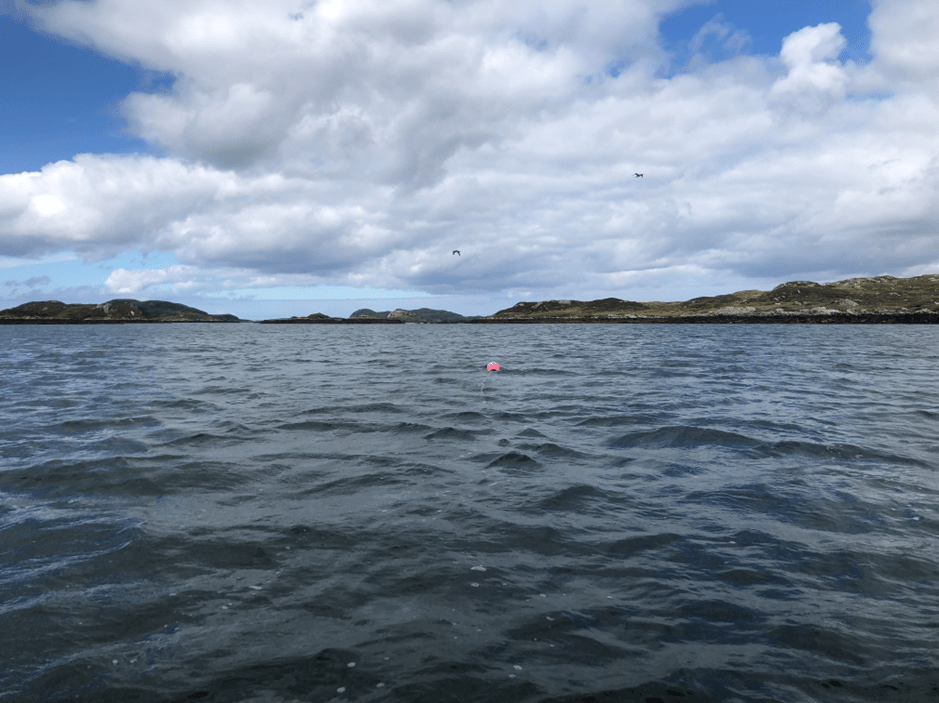
Raft 1 at Strome, Lewis.
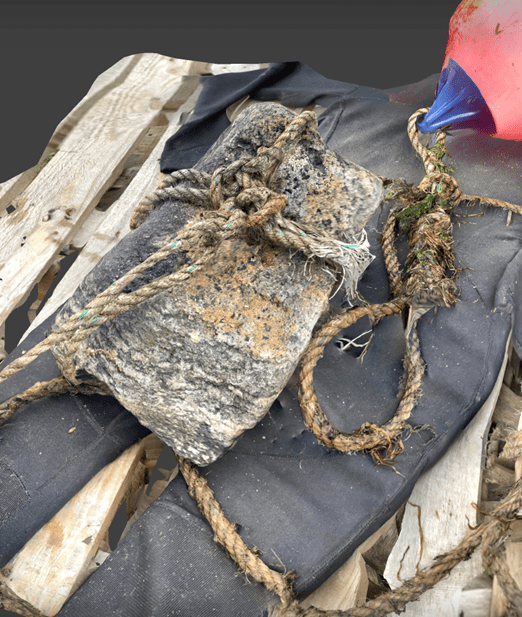
Raft 1: 3D scanned image – tethered anchor stone with buoy and neoprene wetsuit.
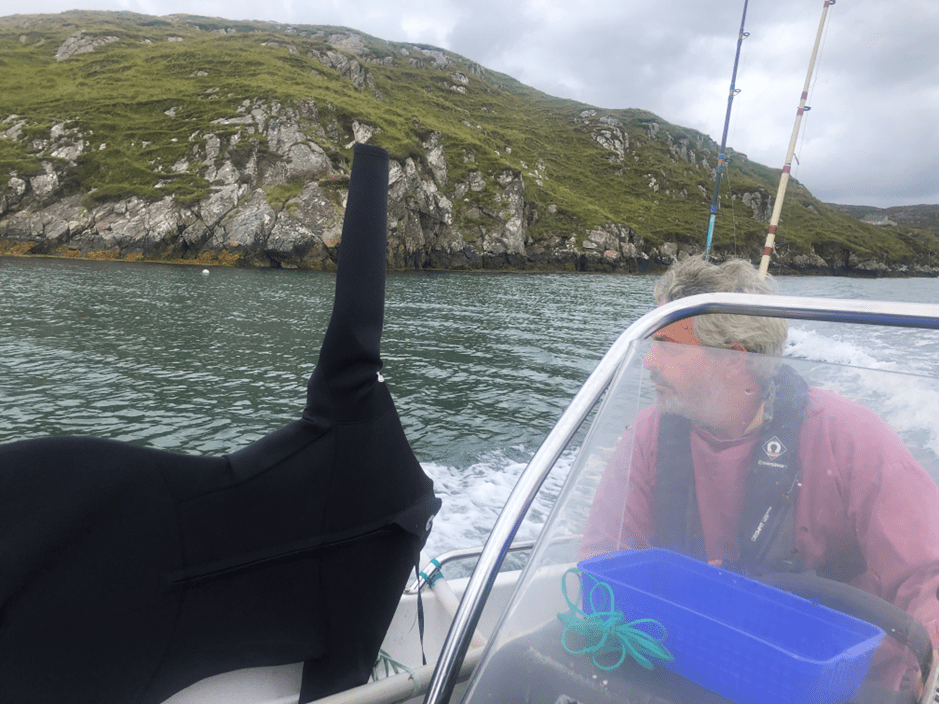
Deploying Raft 1 with Donald Mac Leod and Jon Macleod, Lewis
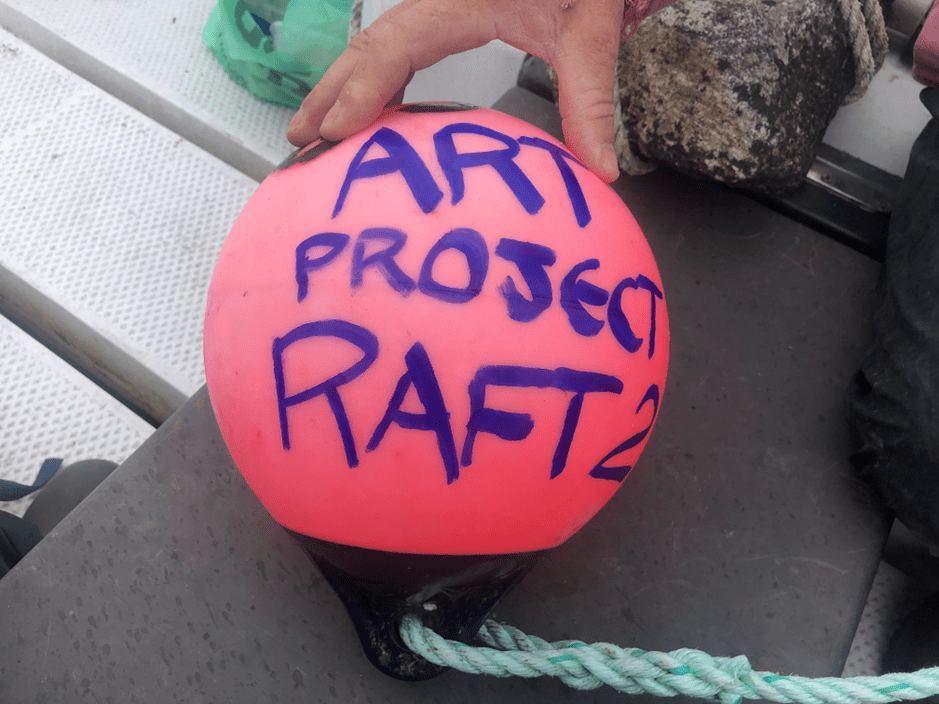
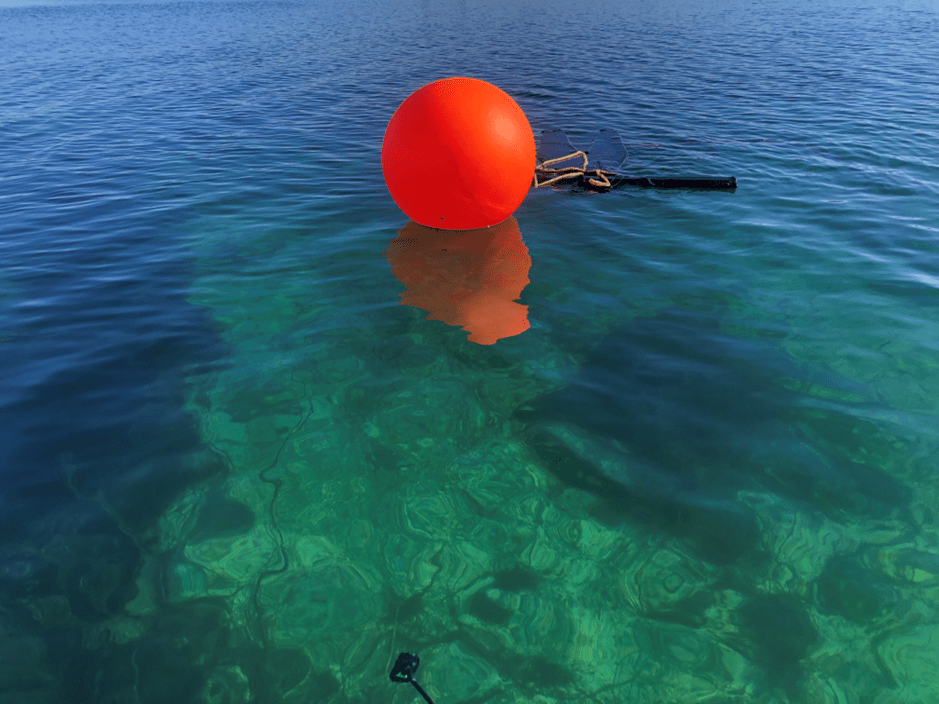
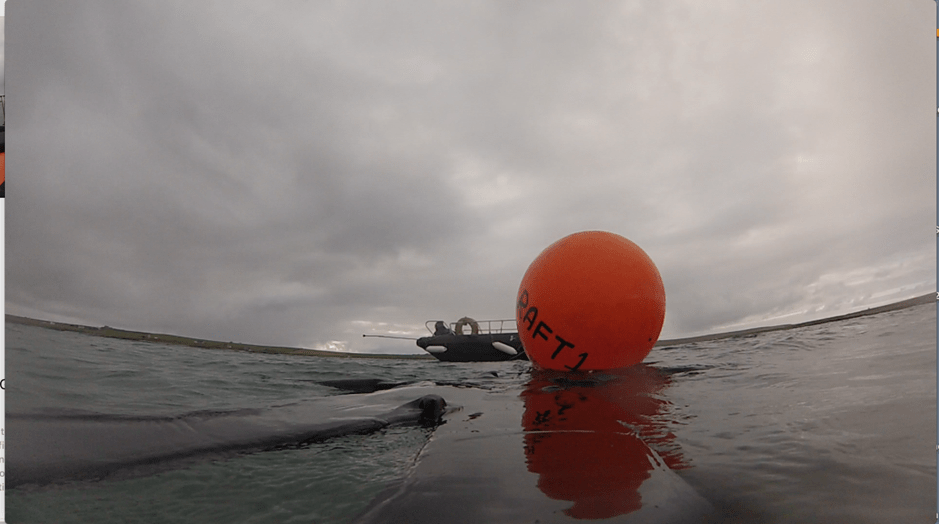
Raft 2, Papa Westray.
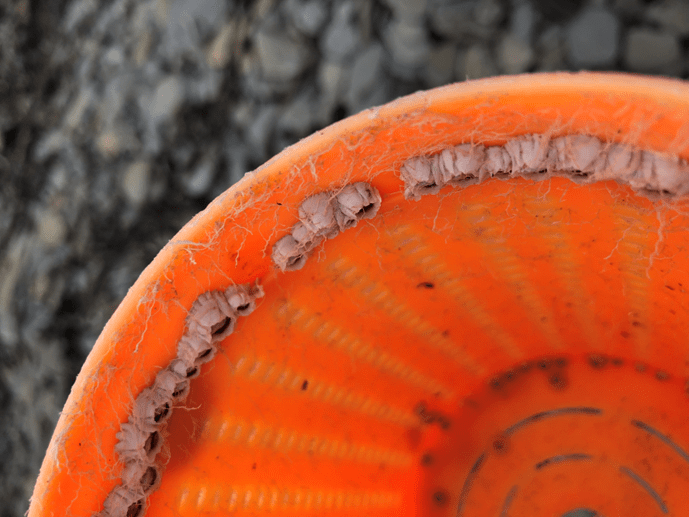
Plastic bucket with limpet species.
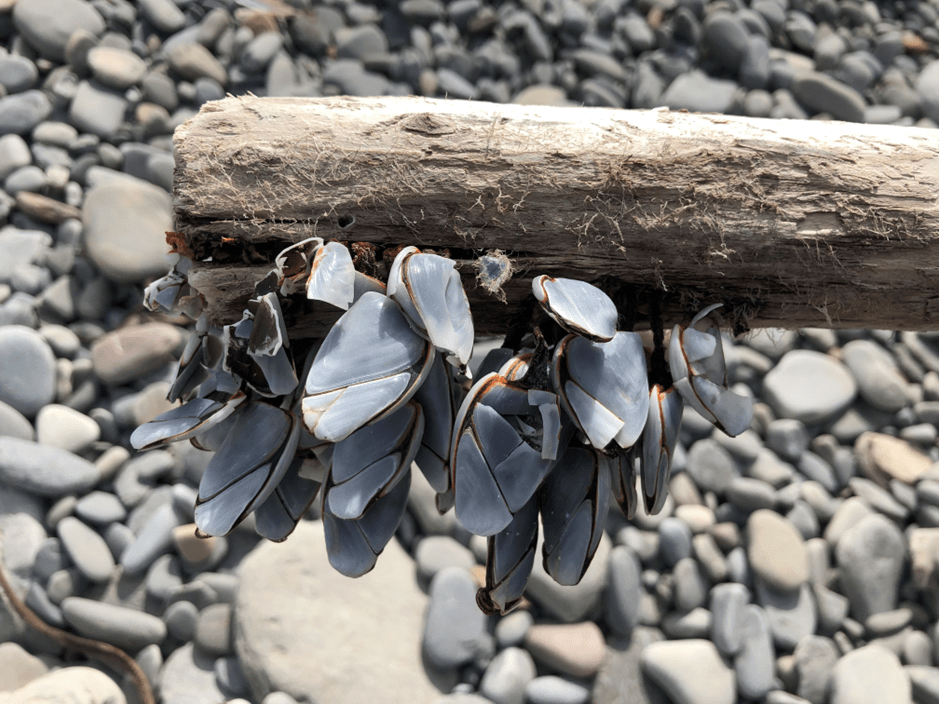
Goose Barnacles on log from possibly Canada, Papay.
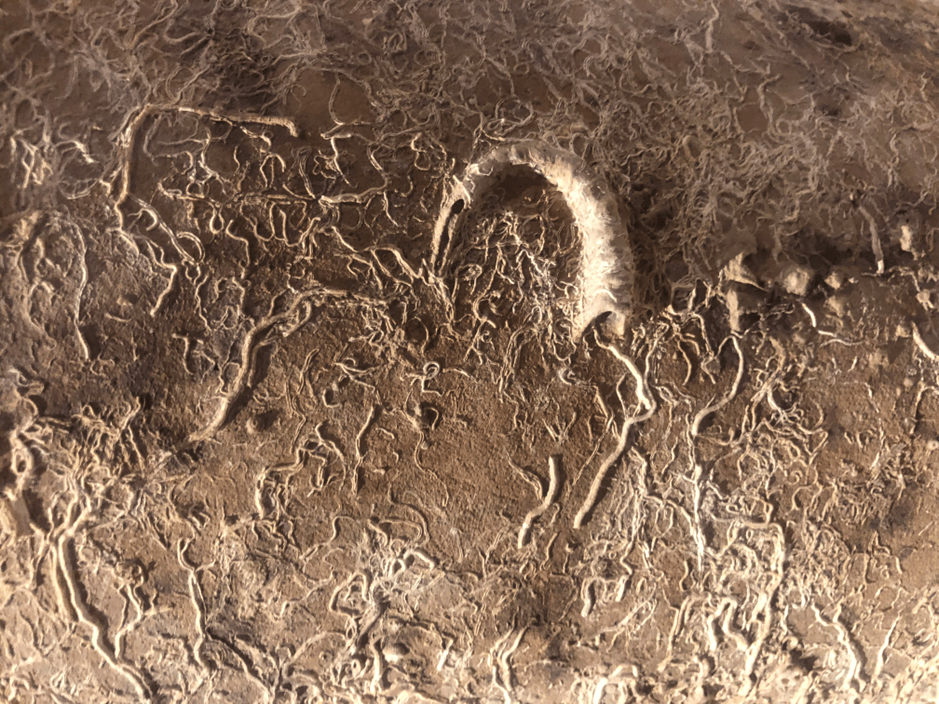
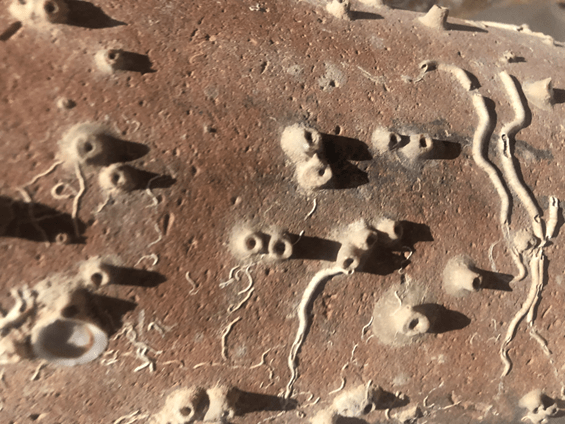
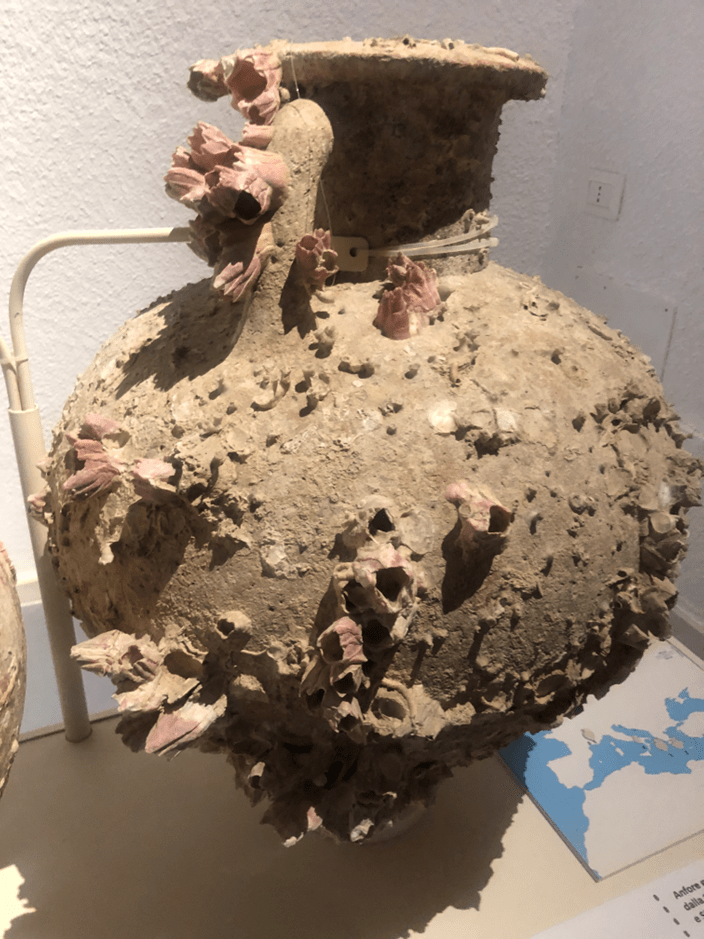
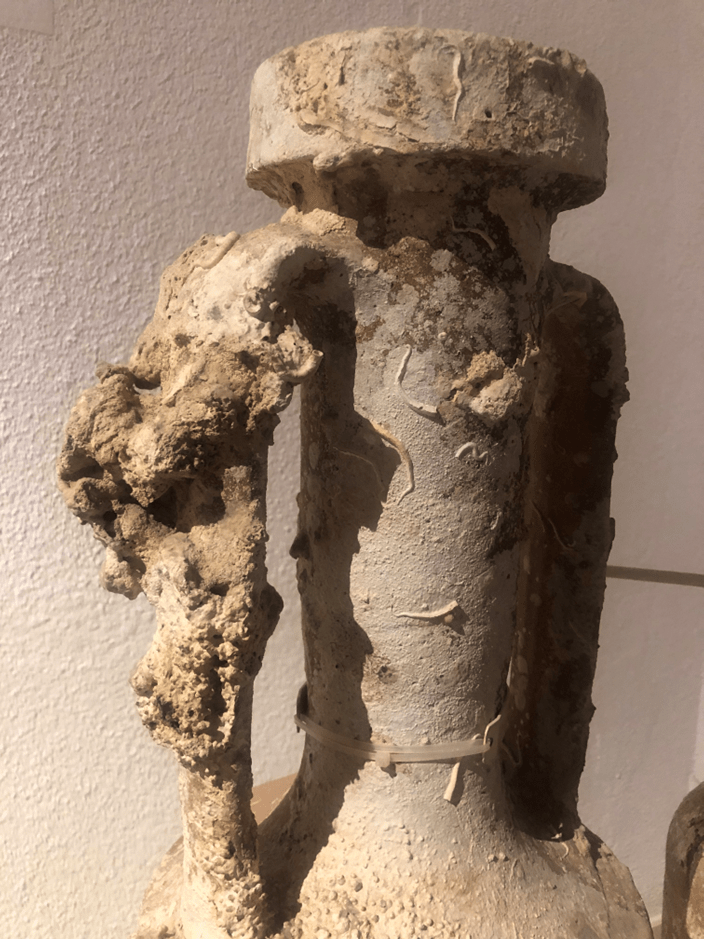
Ancient Roman rafting species detail – Roman amphora from the ocean, Sicily.
 islandgoingresidencies.art.blog