Despite the emergence of Covid-19 we have adapted and worked with the regulations to continue with our residency programme at An Lanntair. For RSA academician Annie Cattrell, early on in her residency with us, it became clear that she would have to either leave the island or stay as the lockdown reached us. She decided to return to London but plans on returning to continue her research and making based on her residency brief.
‘to explore and focus on the culture, geology, landscape and waterways in and around Lewis in order to source and mirror the past in what is now’.
The following blog charts the first stages of the residency and of her continued creativity during lockdown.
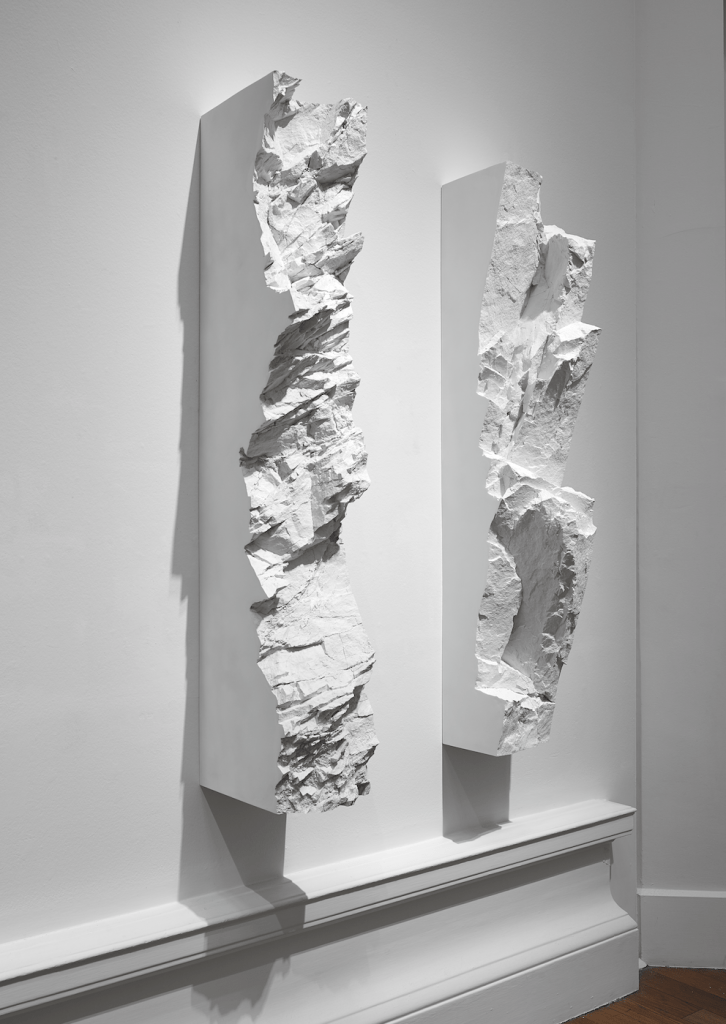
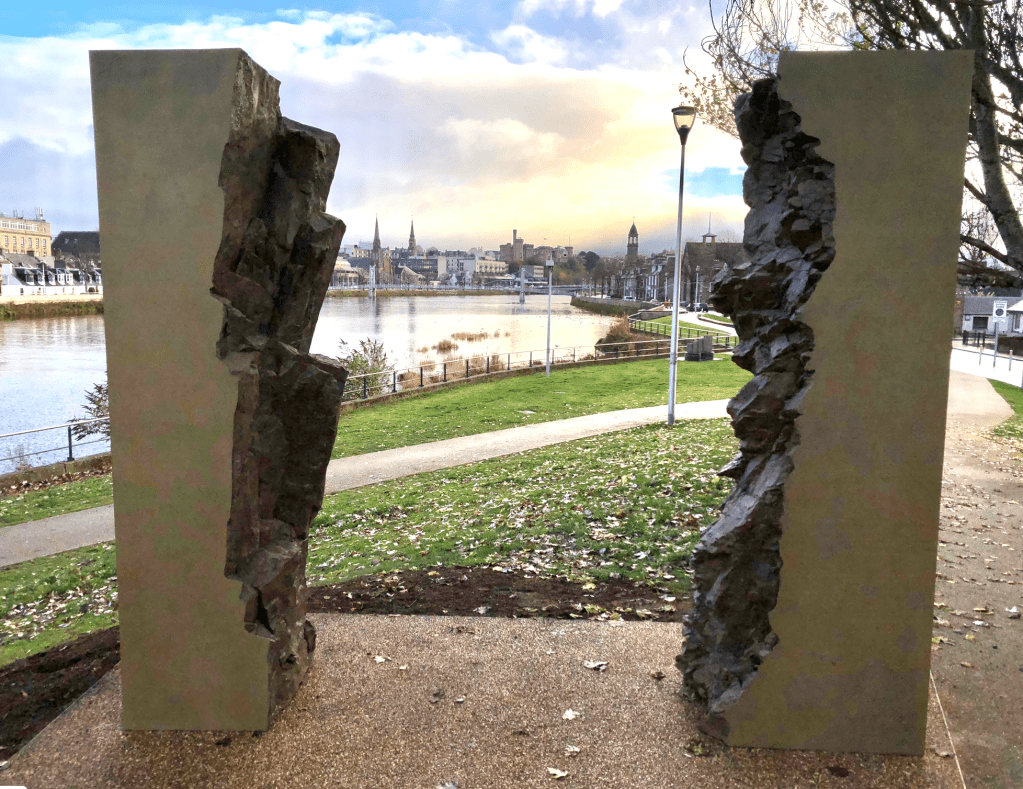
On Saturday the 14th of March 2020, I began the long and increasingly beautiful drive from my home in South London via Edinburgh, and then northwest towards Ullapool, where I caught the ferry to Stornoway.The journey was quite solitary and this allowed me time to further consider my initial ideas for my Royal Scottish Academy residency, and the solo exhibition Source, which was then planned be held at An Lanntair, opening on the 25th of April. Source was to include Fault, my ‘portfolio’ sculpture now in the RSA permanent collection. Fault had been made by directly casting the two distinctly different rock faces on either side of Loch Ness, which is part of the Great Glen Fault, were two tectonic plates meet. This sculpture was the precursor to SEER, a public artwork that is now positioned on the banks of the Ness River at Friars’ Shott, in Inverness city centre. Additionally, I planned to show existing drawings, sculptures and time-based work in combination with what I would make during the six week residency on Lewis.
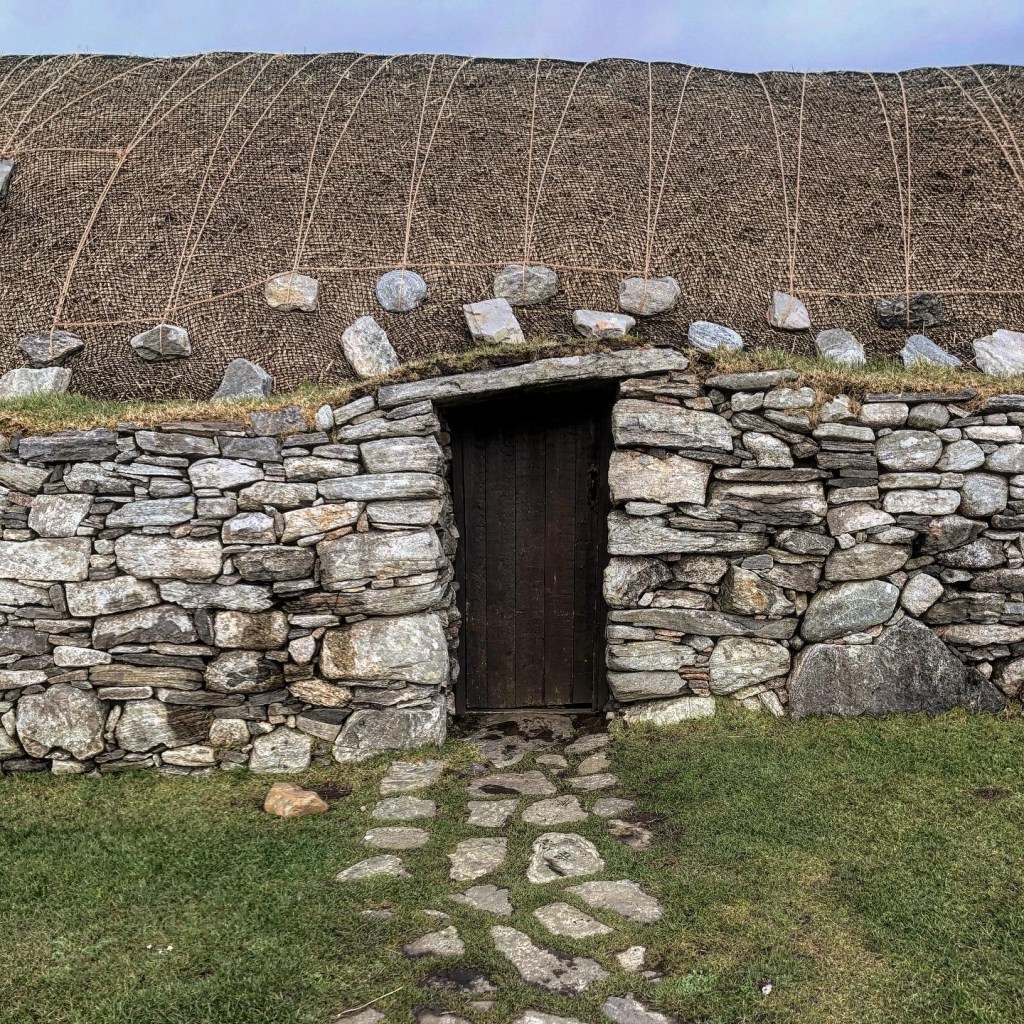
After the two days of travel from London, I arrived in the village of Arnol, on the west coast of Lewis, where the owner and Jon MacLeod met and welcomed me. Arnol faces the Atlantic and is known, particularly, for its’ peat roofed Black Houses * inside which, the occupants would have lived alongside their animals. One of the Black Houses is now a museum, and had previously been inhabited up until the 1960’s. My residency home/studio was surrounded by the ruins of other Black Houses, working crofts and sheep just about ready to lamb.
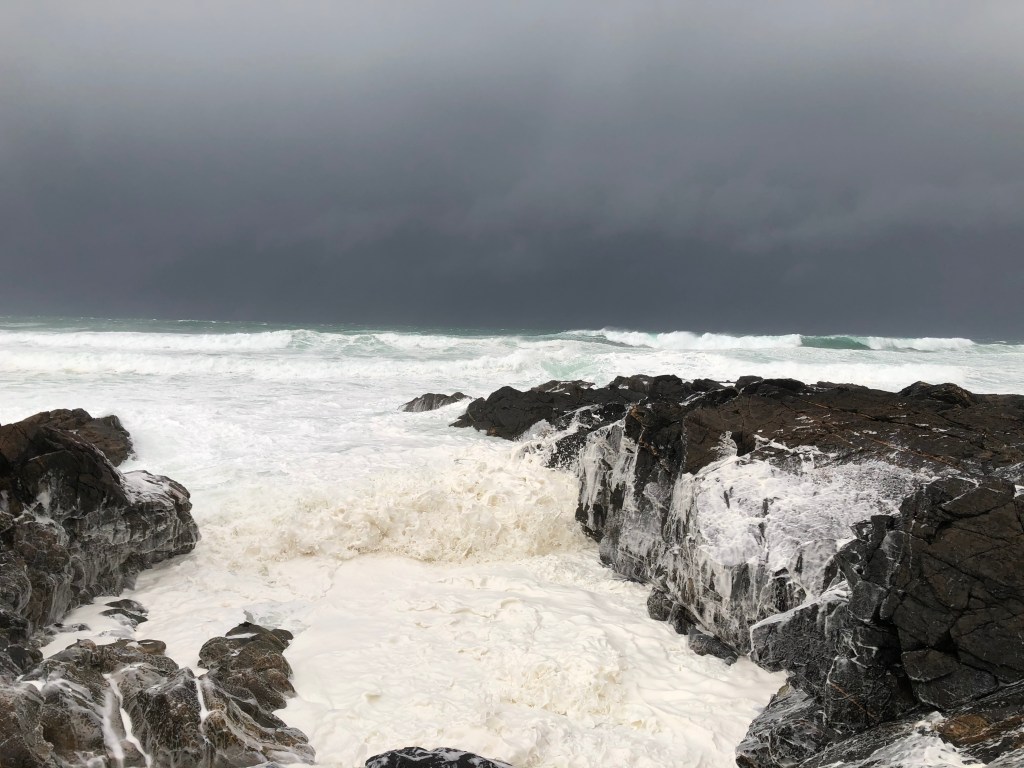
My initial aims were to begin to map where and how the cultural, geological and water meets and coexists on and around Lewis. I wanted to find broad ranging ways of gathering relevant onsite data and references through walking, filming, drawing and direct casting within this landscape.
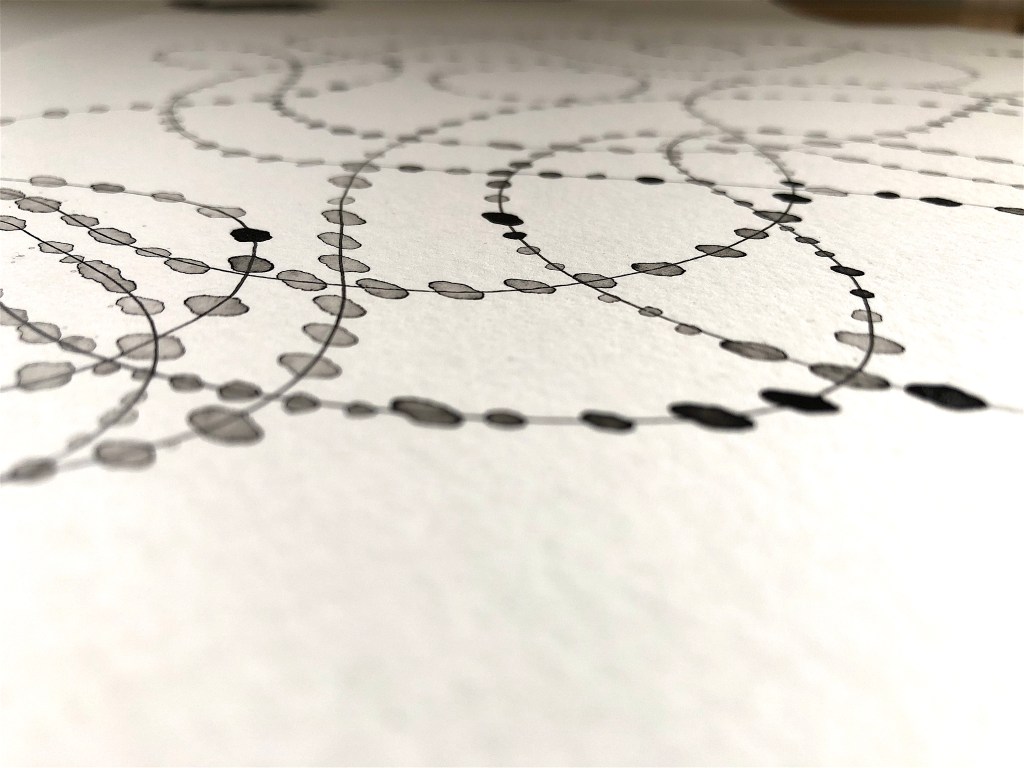
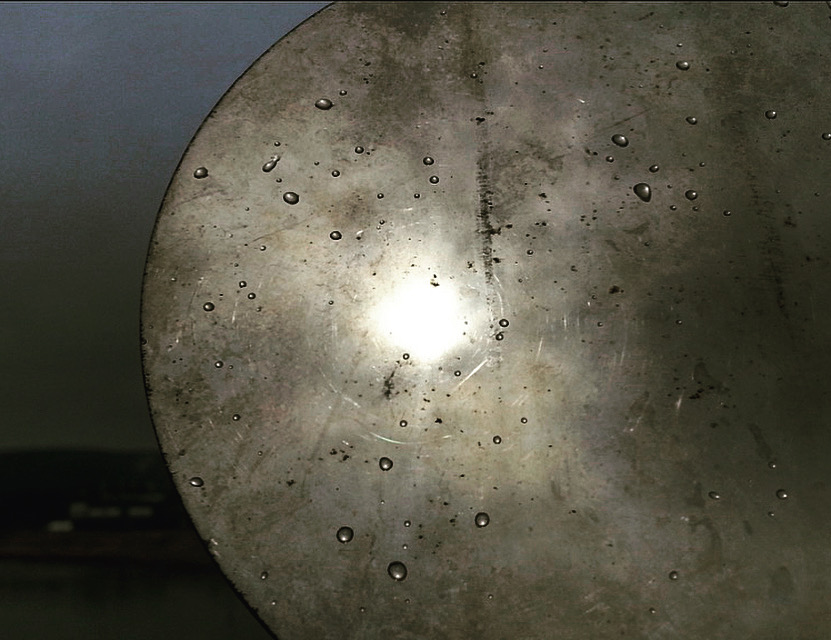
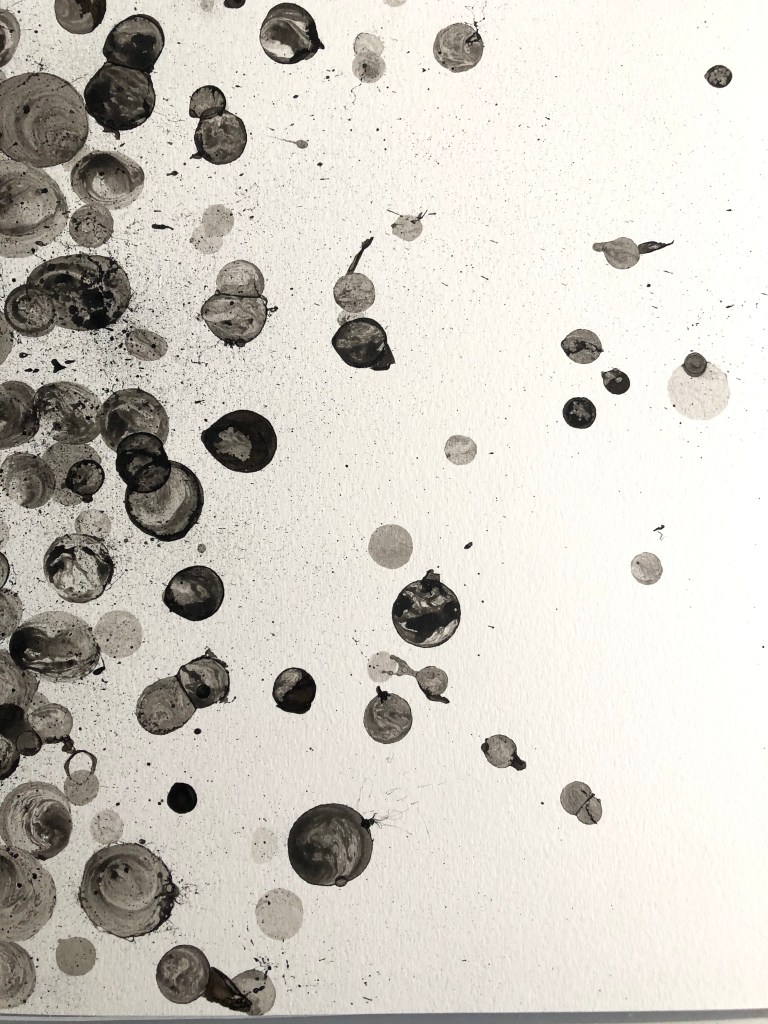
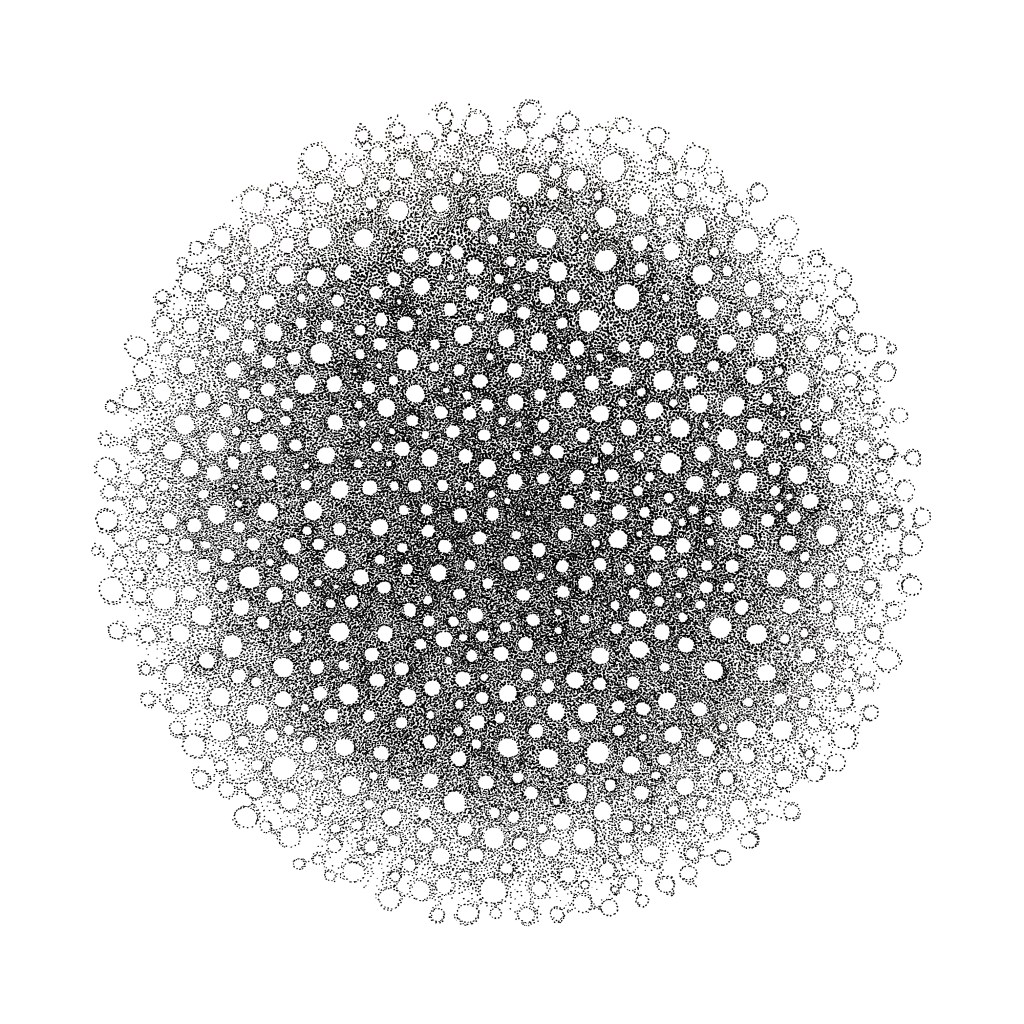
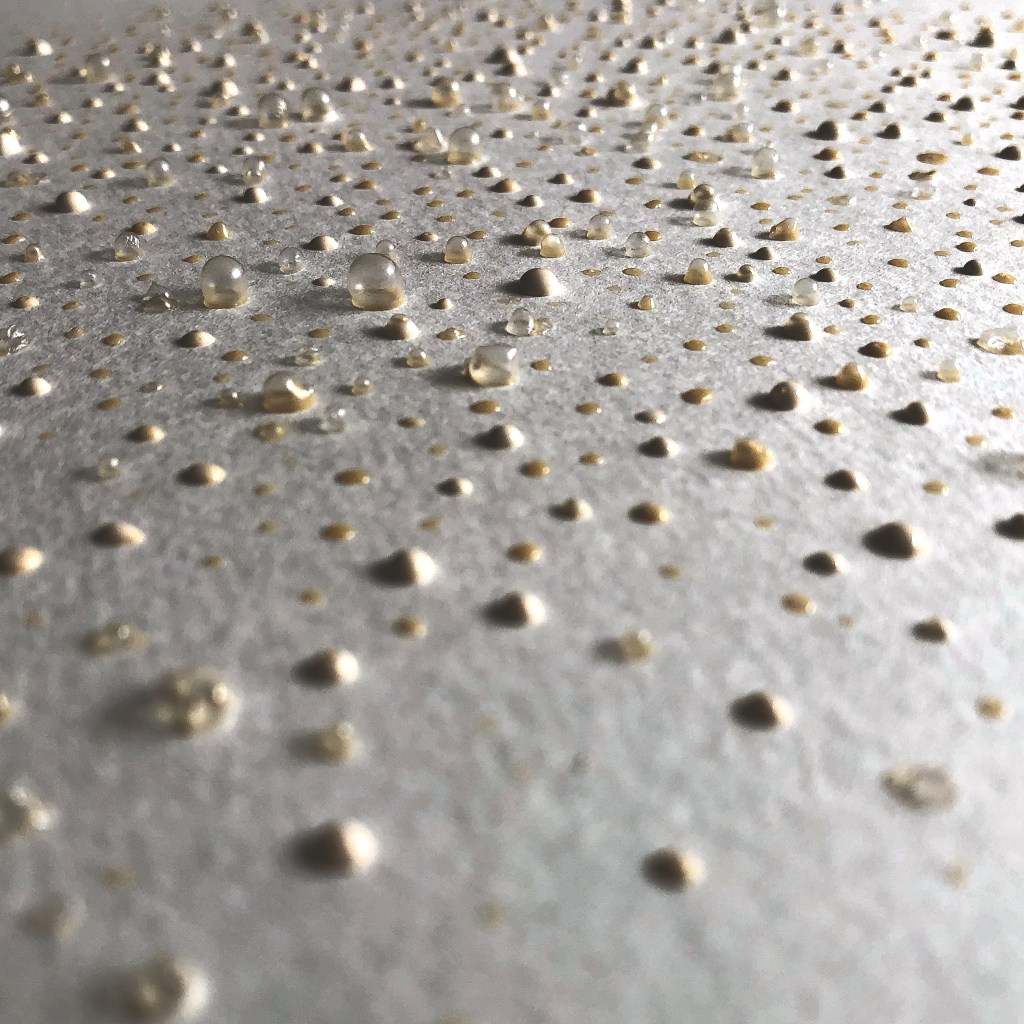
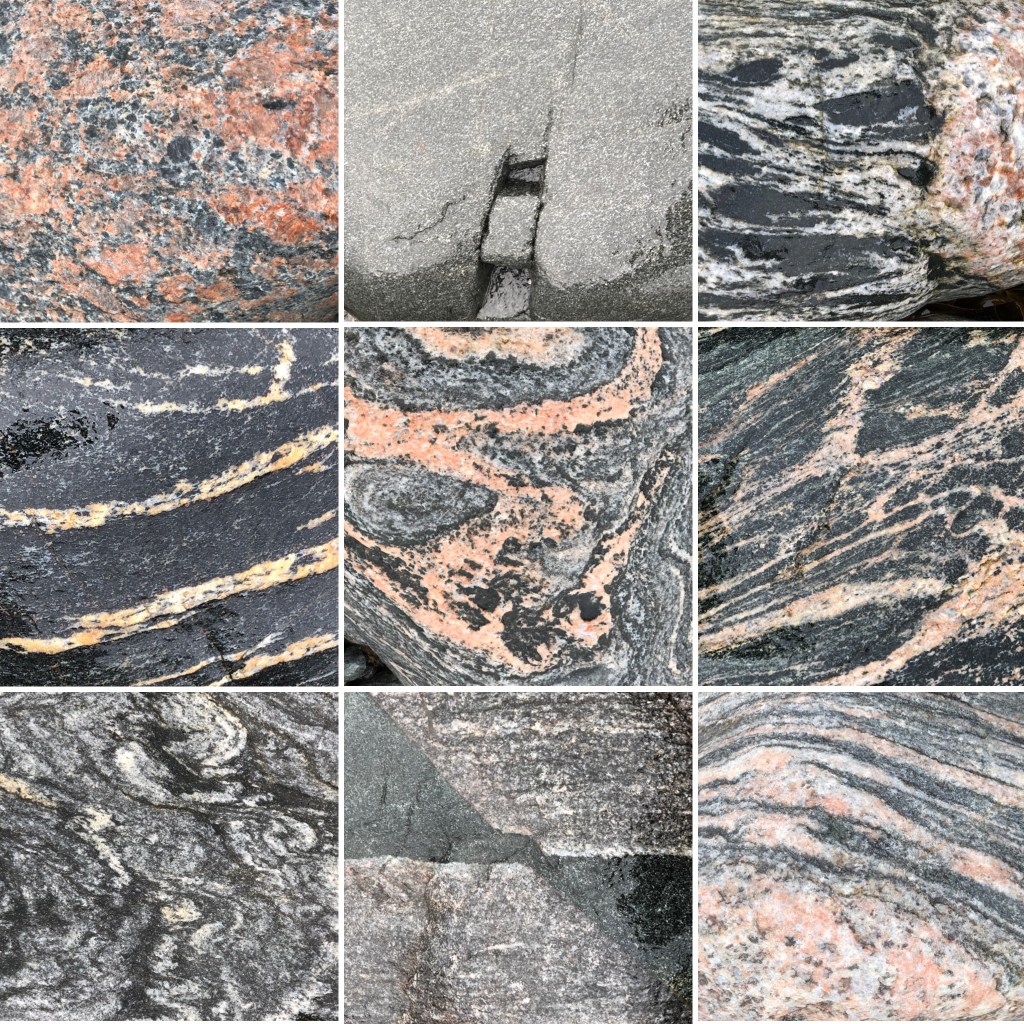
The visible geology, such as Lewisian gneiss, and the Peatland landscape allows for certain readings of time before the current Anthropocene. Deep Time, a term coined by 18th century Scottish geologist James Hutton ** begins to explain geologic time, and this can be clearly seen in physical form, when looking at the layered strata and composition of exposed rocks. Within the Peatland and bog areas of Lewis, the gravitational flow of water filters through and irrigates.
Some of Annie’s drawings and experiences from the Lewis residency have featured in an RSA online exhibition ‘Academicians in Isolation’ and magazine article ‘Art in Lockdown’, which explore how ‘Art can provide solace when circumstances are beyond our control……(and) with studios and workshops closed, the lockdown has required artists to adapt in order to practise ‘.
https://academiciansgallery.org/exhibitions/21/works/
We look forward to Annie’s return to the Isle of Lewis to finish the residency and her subsequent An Lanntair solo exhibition Source
* https://www.historicenvironment.scot/visit-a-place/places/the-blackhouse-arnol/
**https://www.britannica.com/biography/James-Hutton
 islandgoingresidencies.art.blog